
Travelling through Central Australia is about more than ticking off landmarks—it’s about immersing yourself in vast desert landscapes, ancient geology and living Aboriginal culture. This 10-day Central Australia road trip itinerary follows a carefully planned route through the Red Centre, combining long scenic drives, iconic walks and culturally significant sites.
Important: This itinerary is designed with winter conditions (May–September) in mind, when daytime temperatures are cooler and walking conditions are safer. During summer months (October–April) temperatures in the Red Centre can exceed 40°C, and most of the walks may have heat-related closures. If visiting during summer, plan to start much earlier in the morning and adjust the timings accordingly.
Explore our itineraries hassle-free with these recommended services!
Car Rental
Designed primarily for self-drive travellers with a 4WD, the journey balances adventure with time to reflect, explore and truly understand Australia’s arid heart. Travellers without a 4WD can still complete much of this itinerary with a few adjustments. In this case, head directly to Alice Springs on Day 1 evening and skip Day 2 (Lambert Centre of Australia) altogether, as a 4WD is non-negotiable for visiting Australia’s geographical centre.
Similarly, on Day 6, after visiting Tnorala (Gosse Bluff), travellers without a 4WD will need to reach the Luritja Sunset Viewing Platform via Alice Springs, as permits for the Mereenie Loop Road are not issued for 2WD vehicles. While the drive via the Mereenie Loop Road takes approximately 2.5 hours, travelling via sealed roads through Alice Springs can take around 7 hours. To manage this detour, you may need to stay overnight in Alice Springs before continuing to Kings Canyon, or alternatively skip some stops on Day 6 to make up for the additional driving time.
Getting there
This itinerary begins with a flight into Ayers Rock Airport, the main aviation gateway to Uluru-Kata Tjuta National Park. A 4WD vehicle is strongly recommended, particularly for visiting the Lambert Centre of Australia and travelling the Mereenie Loop Road later in the journey. This itinerary forms a loop through the Red Centre, returning to Uluru for the final days of the trip.
Top Tips for Visiting Central Australia: Planning ahead is essential when travelling through Central Australia, where distances are vast, road conditions can change quickly, and the outback environment demands extra preparation. This itinerary includes long self-drive days, remote locations and multiple walks, making careful planning especially important. From knowing when to start your day and how much water to carry, to understanding road conditions and respecting culturally significant sites, the following tips will help you explore Alice Springs and the surrounding Red Centre safely, responsibly and with confidence.
Day 1: Uluru Arrival & Outback Journey to Kulgera
Arrive at Ayers Rock Airport in the afternoon, collect your luggage and pick up your 4WD rental vehicle before setting off into the open desert. Begin your first scenic drive towards Mount Conner Lookout.
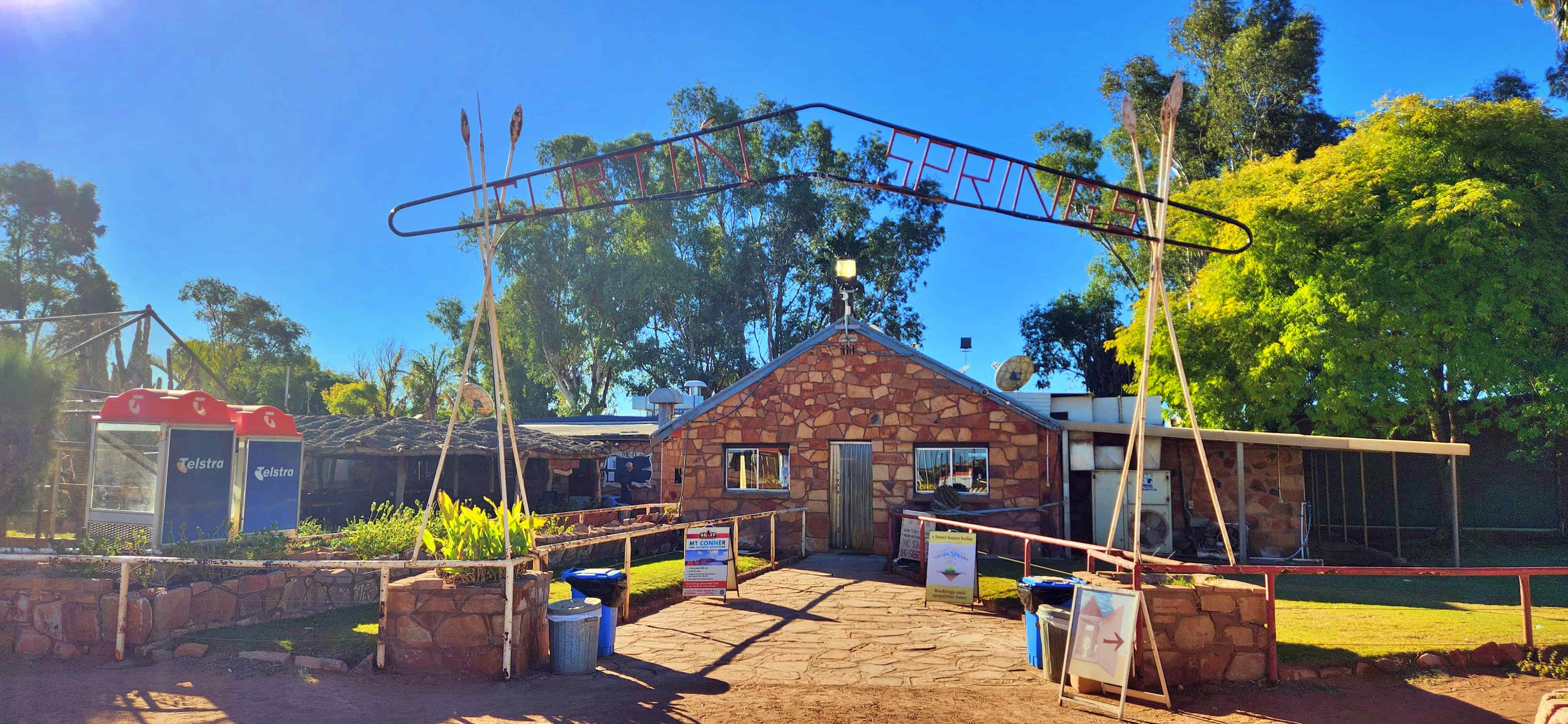
En route to Mount Conner Lookout, make a brief roadside stop at Curtin Springs Station to photograph The BIG Boomerang & Spears.
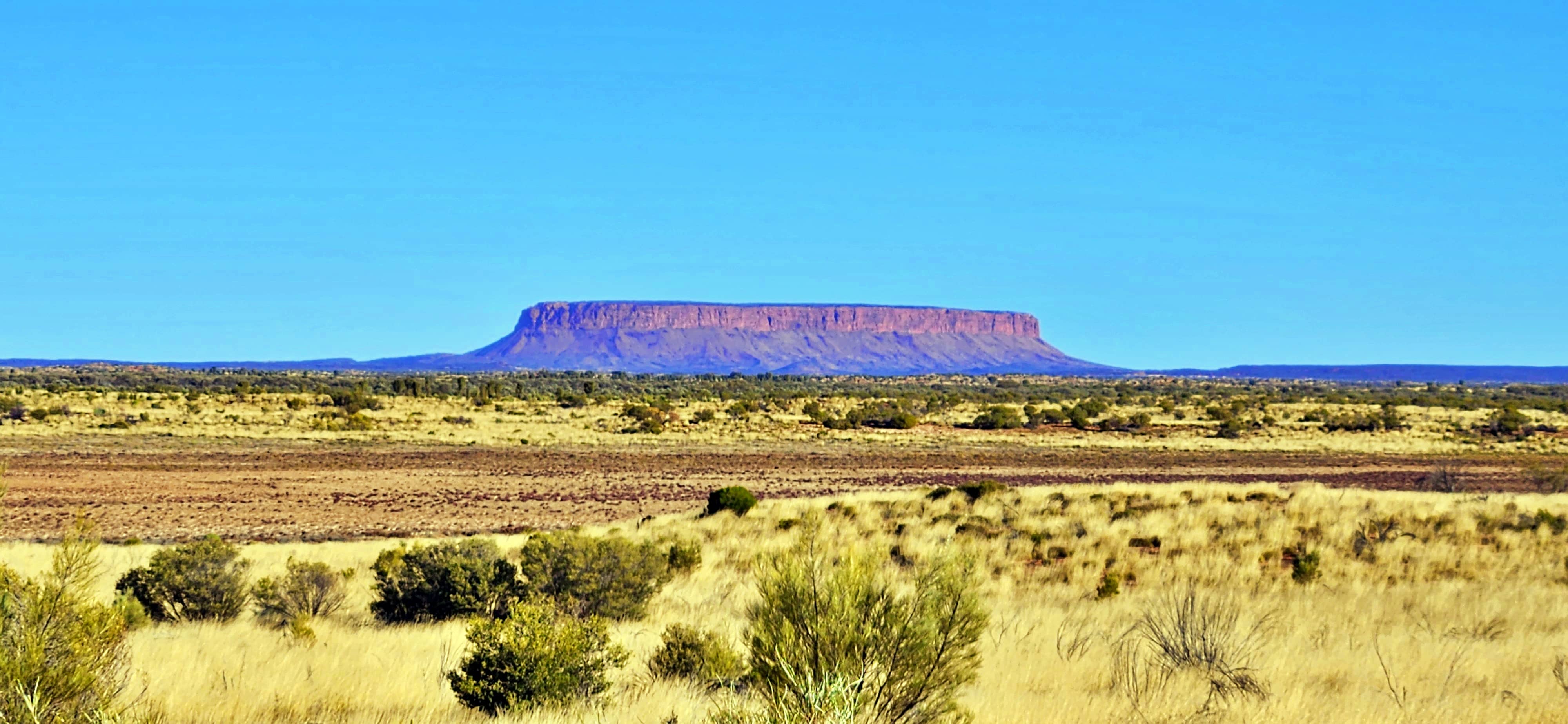
Mount Conner Lookout is often mistaken for Uluru by those seeing it from a distance, yet it stands out as a dramatic landmark in its own right, rising prominently from the surrounding desert plains and offering a powerful introduction to the vast scale and raw beauty of Central Australia.
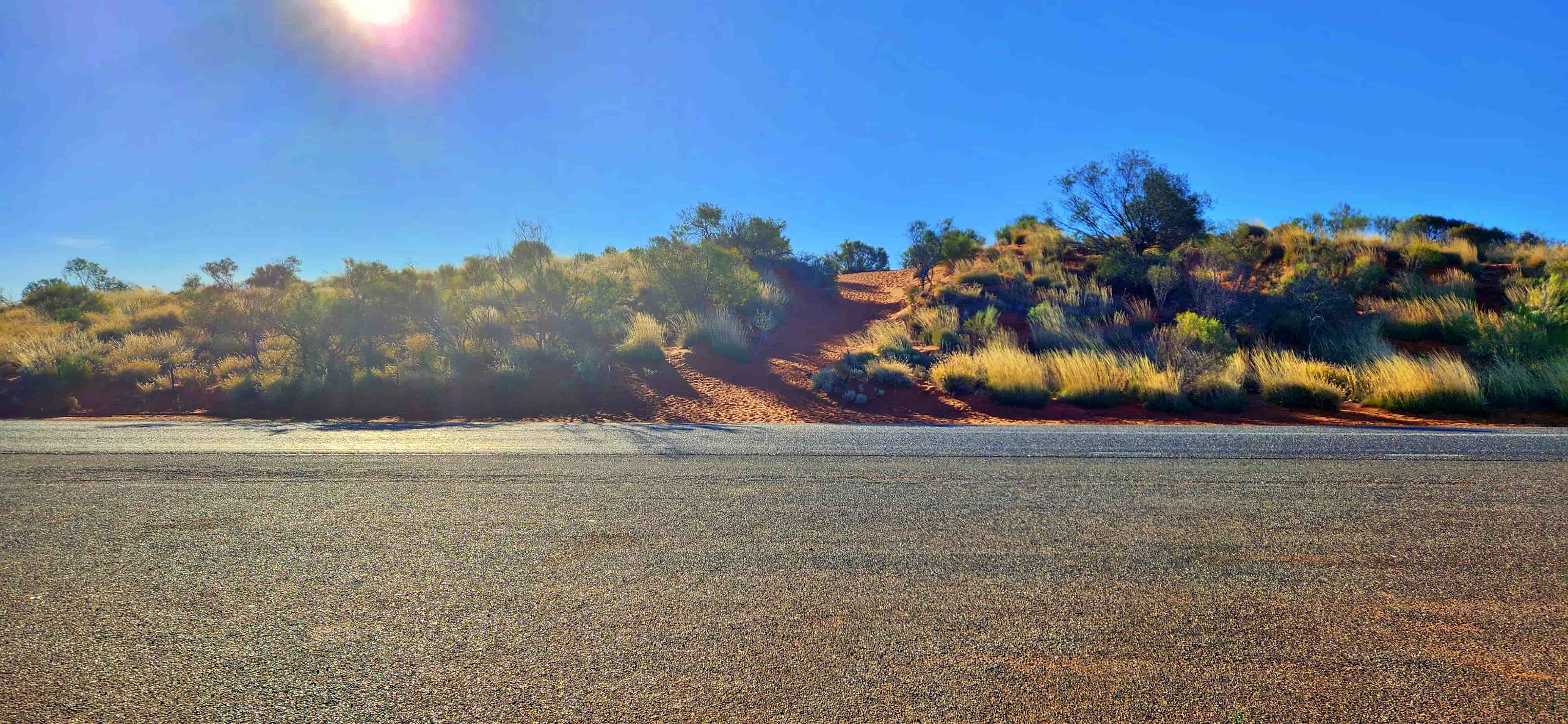
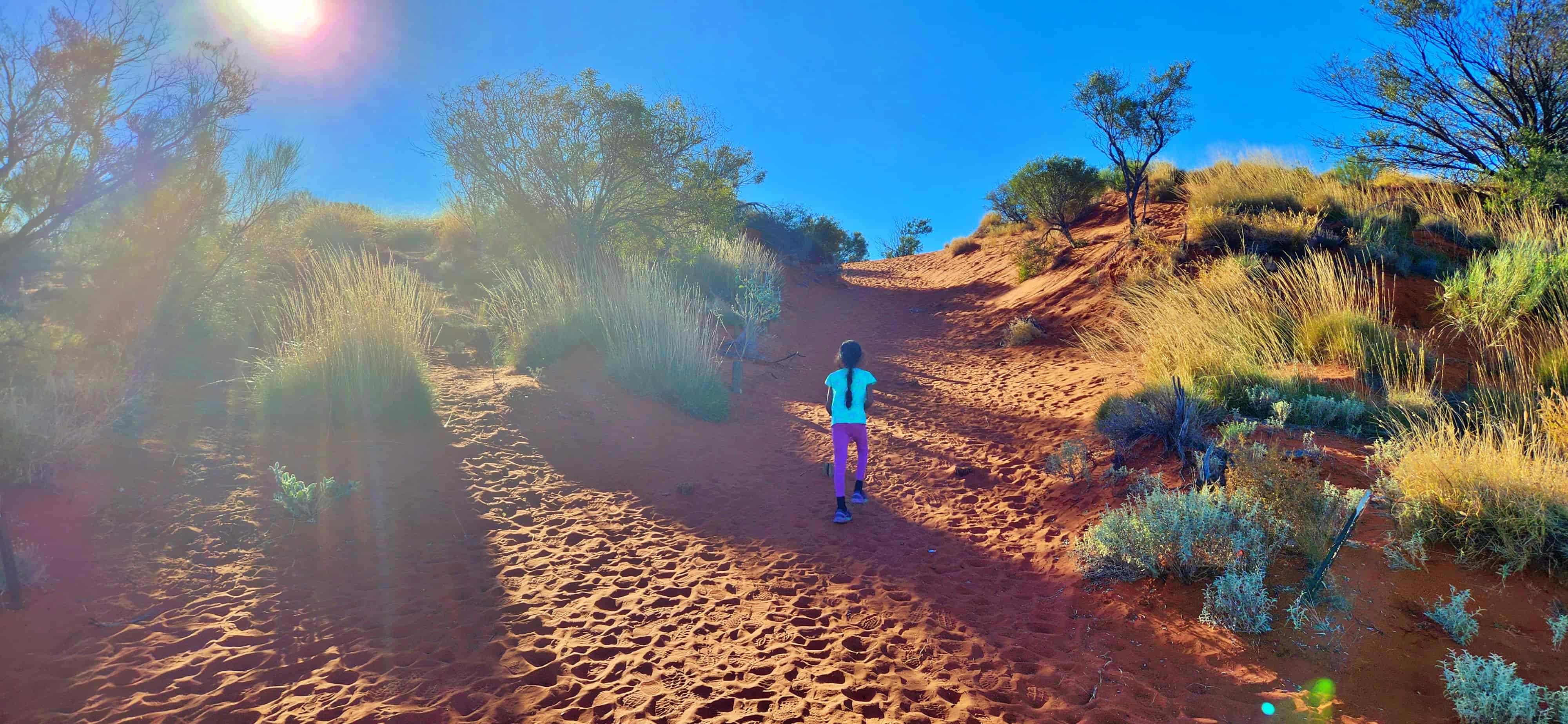
After admiring the views from the Mount Conner Lookout, cross the road and climb the short sand dune opposite the lookout for sweeping, elevated views across Lake Amadeus, the Northern Territory’s largest salt lake
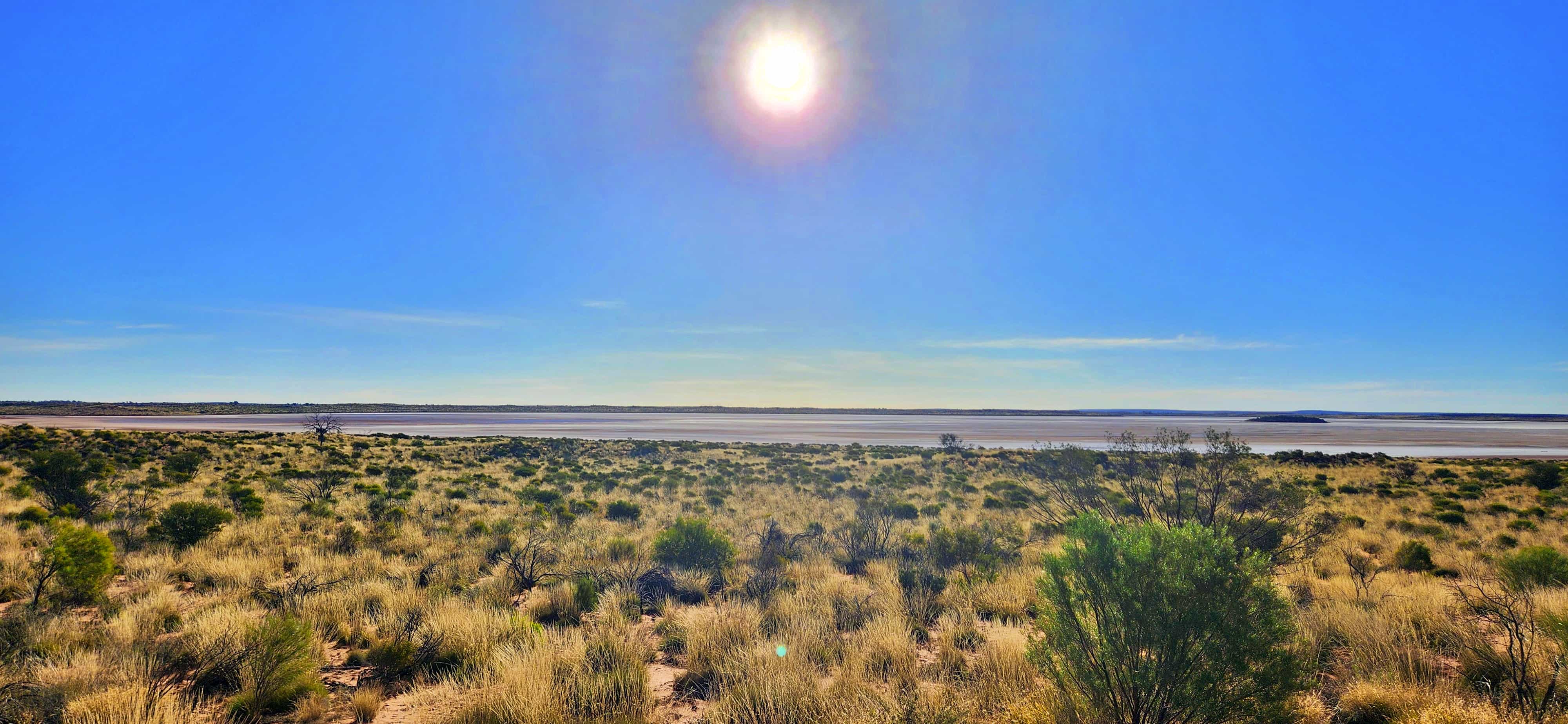
Continue south through classic outback scenery towards Kulgera Roadhouse. Along the way, stop briefly at Erldunda Roadhouse.
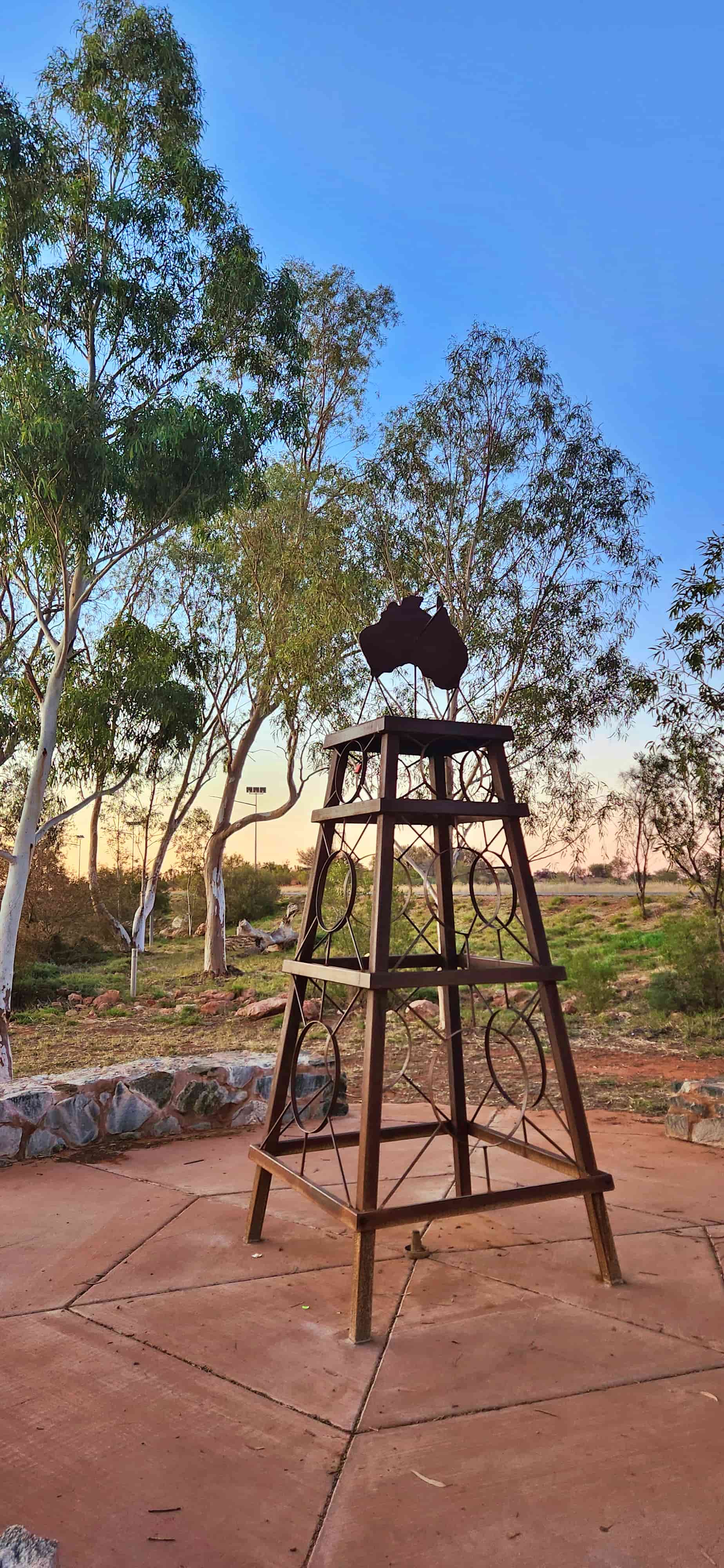
For many years, Erldunda has been popularly regarded as the “centre of the centre” of Australia. This belief stems from early surveying methods and exploration-era calculations that attempted to pinpoint the heart of the continent long before satellite mapping existed. While there is no single officially recognised centre of Australia, Erldunda emerged as one of several contenders due to its location along key inland routes and its proximity to early expedition paths. To acknowledge this long-held idea, a modest monument was erected near the roadhouse, featuring a metal structure topped with a silhouette of the Australian continent. Nearby interpretive signage explains the various ways Australia’s centre has been calculated over time such as geographical, gravitational and median, placing Erldunda within this broader historical debate. Today, the monument serves as a symbolic marker rather than a scientific one, offering travellers a tangible link to the outback’s exploration history and a popular photo stop on journeys through the Red Centre.
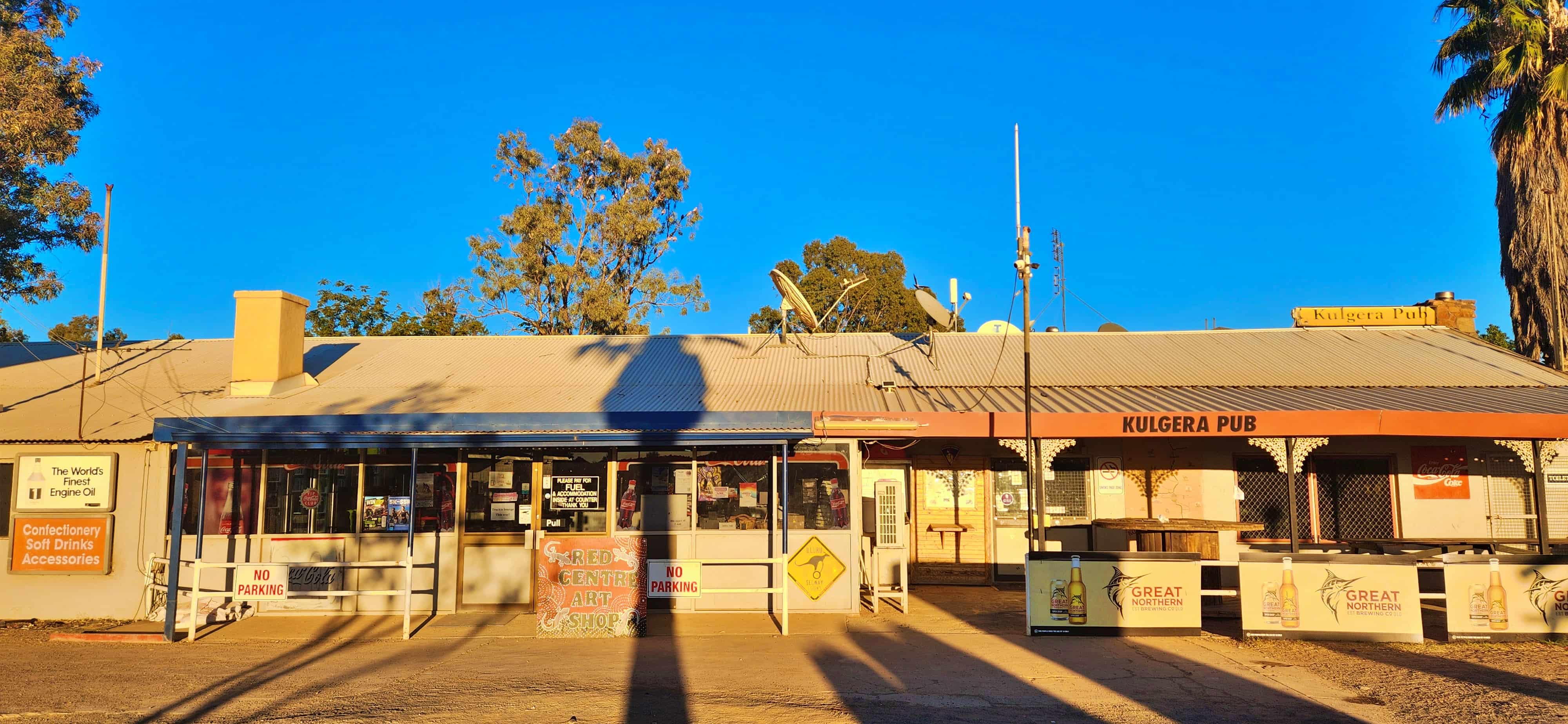
Arrive at Kulgera in the evening, check in, enjoy dinner and settle in for your first night in the outback.
Day 2: Visiting the Heart of Australia
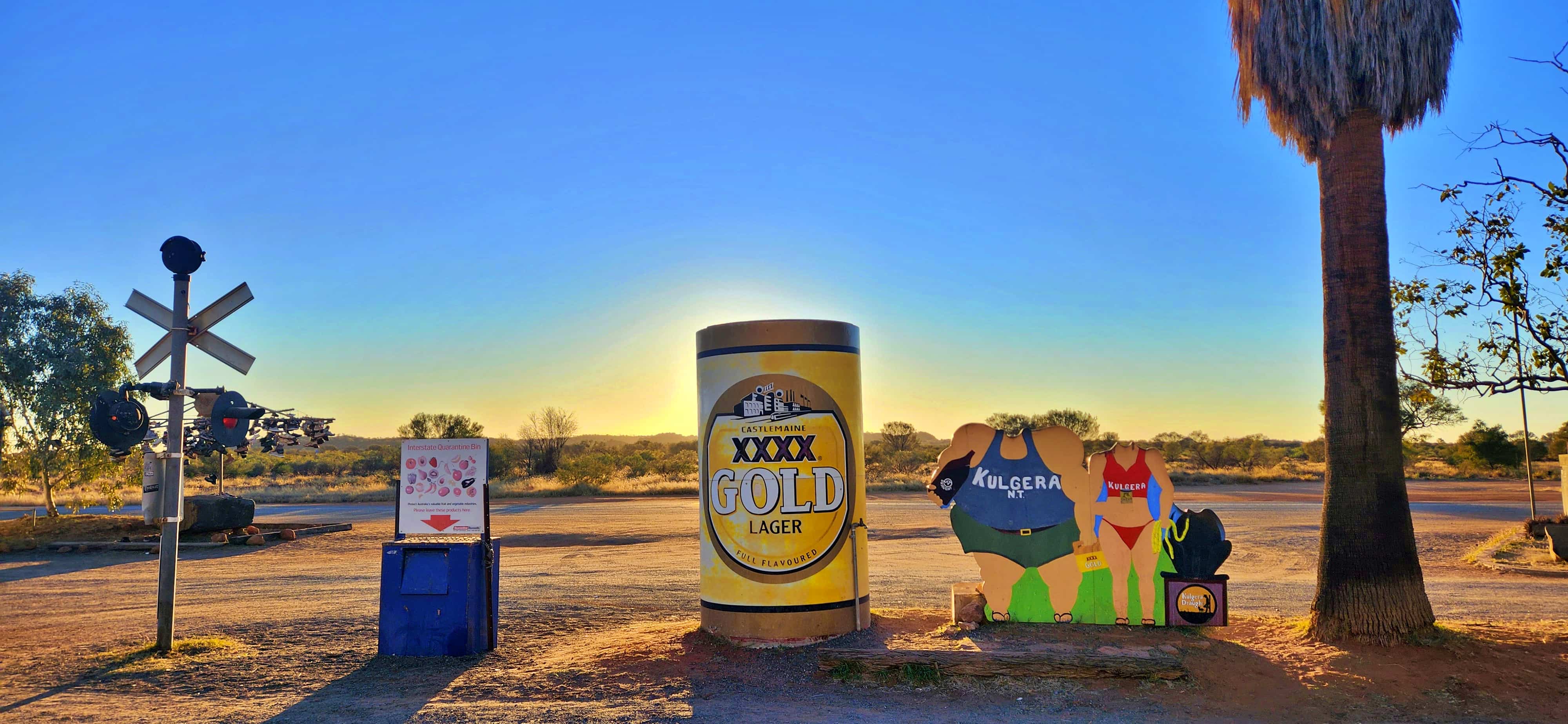
After breakfast, make a quick photo stop with another classic outback Big Thing — the BIG XXXX Can outside Kulgera Roadhouse, a fun and unmistakably Australian roadside landmark.
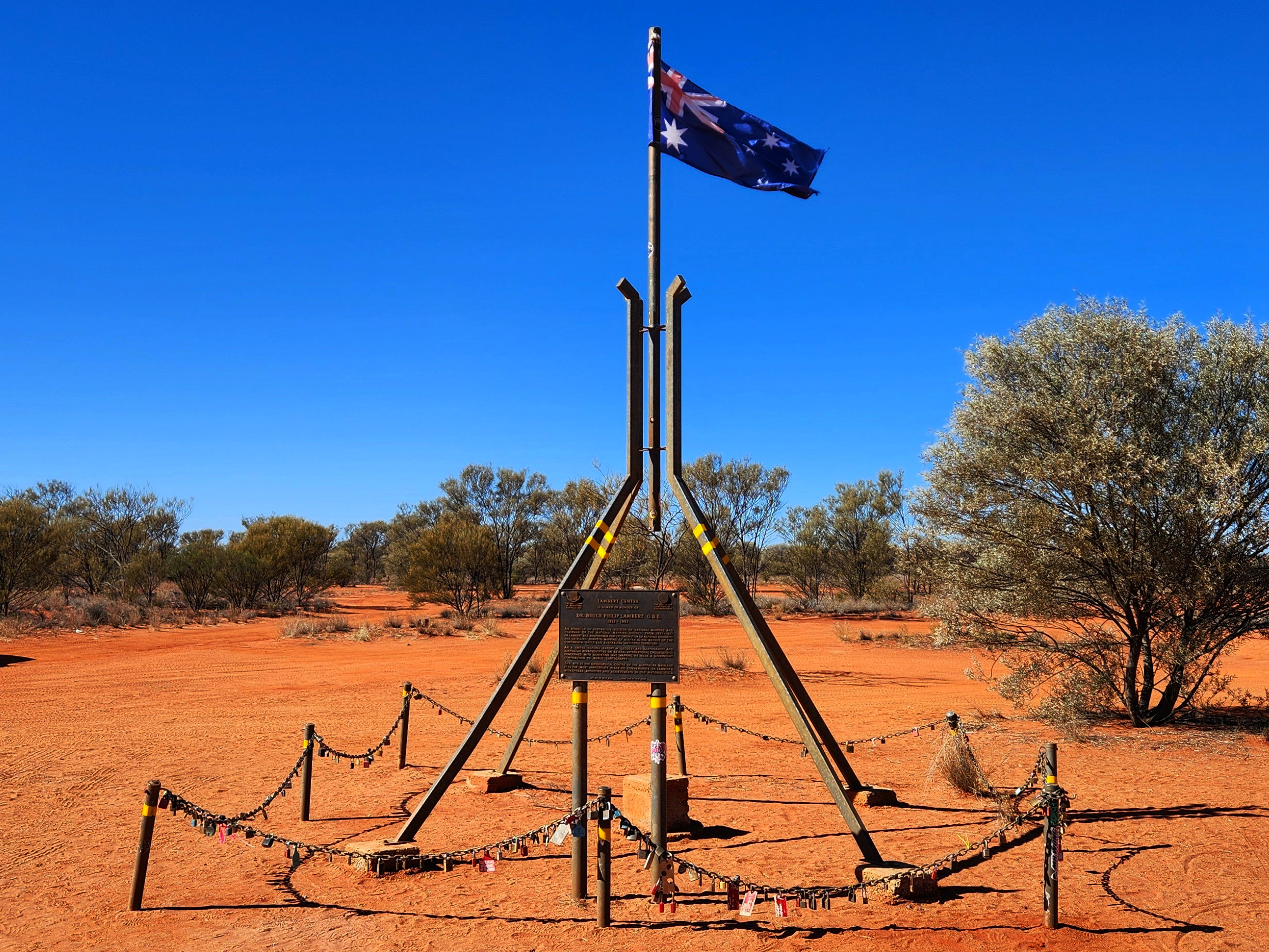
From here, continue on to the Lambert Centre of Australia, the country’s geographic centre. Take time to wander the area, read the interpretive signage, sign the visitor logbook and soak in the novelty of standing at the very heart of Australia, surrounded by vast desert landscapes. Discover more about visiting the Lambert Centre of Australia in our blog post below.
Later in the day, drive south to the Northern Territory–South Australia Border Sign for the obligatory photos straddling two states.
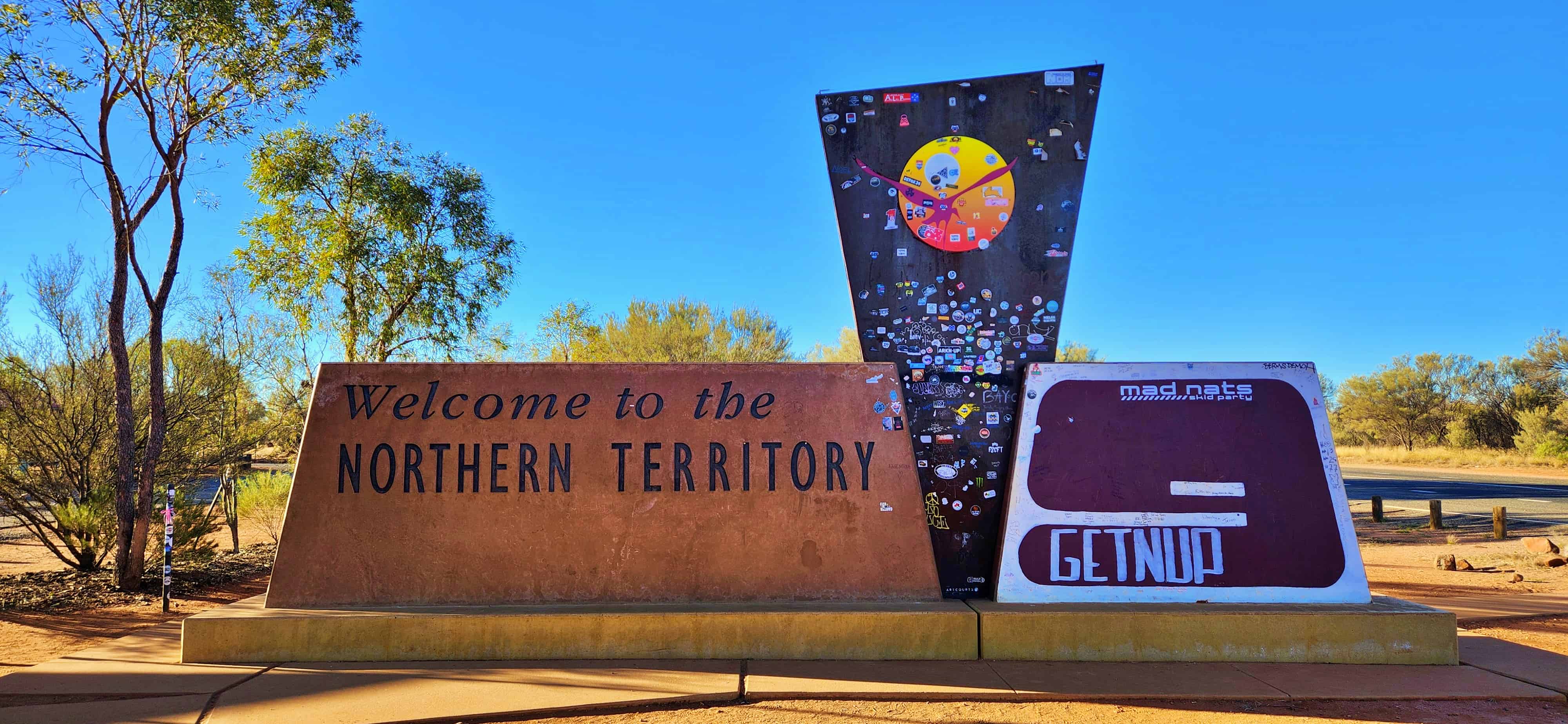
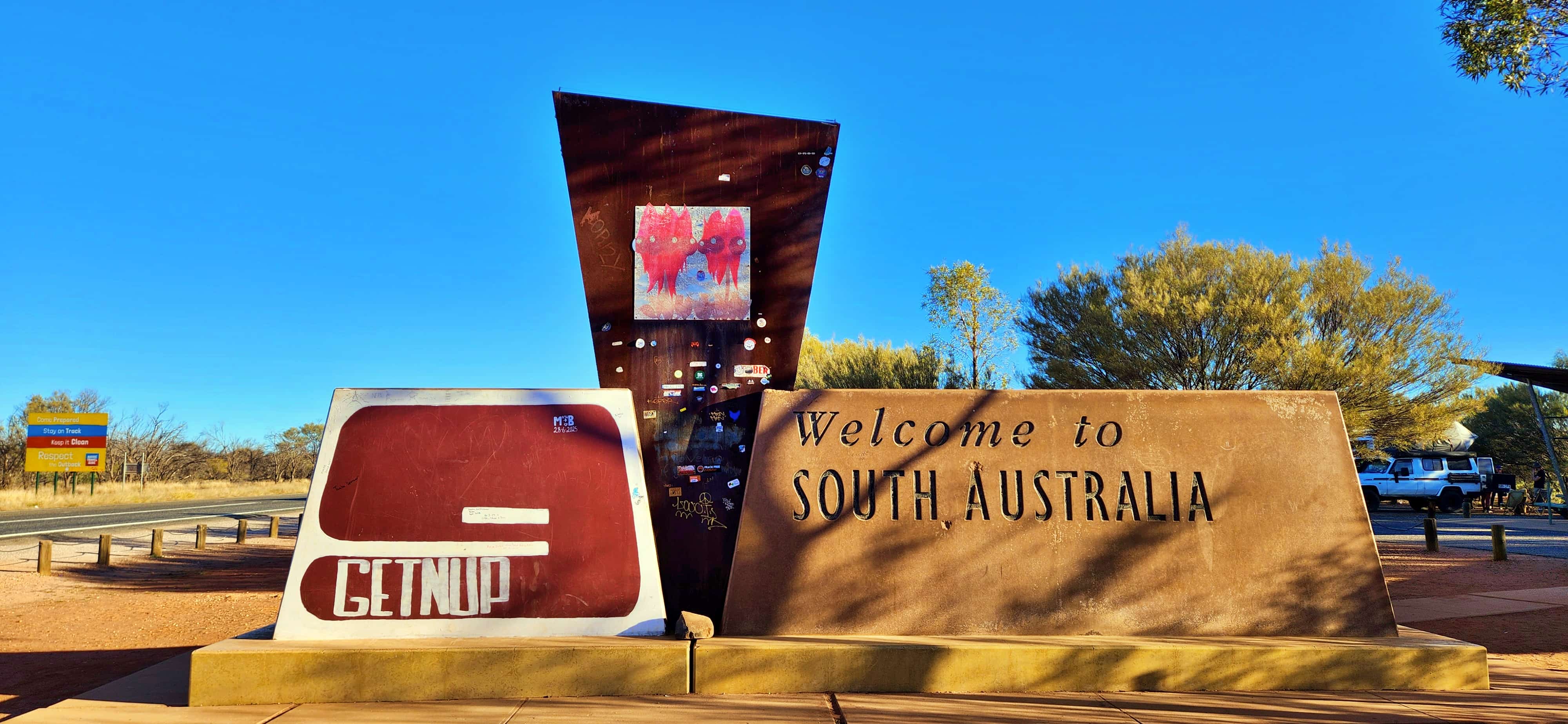
In the evening, return to Kulgera for another relaxed outback evening. Enjoy dinner at the roadhouse pub, unwind after the day’s driving, and settle in for a good night’s sleep before the next leg of the journey.
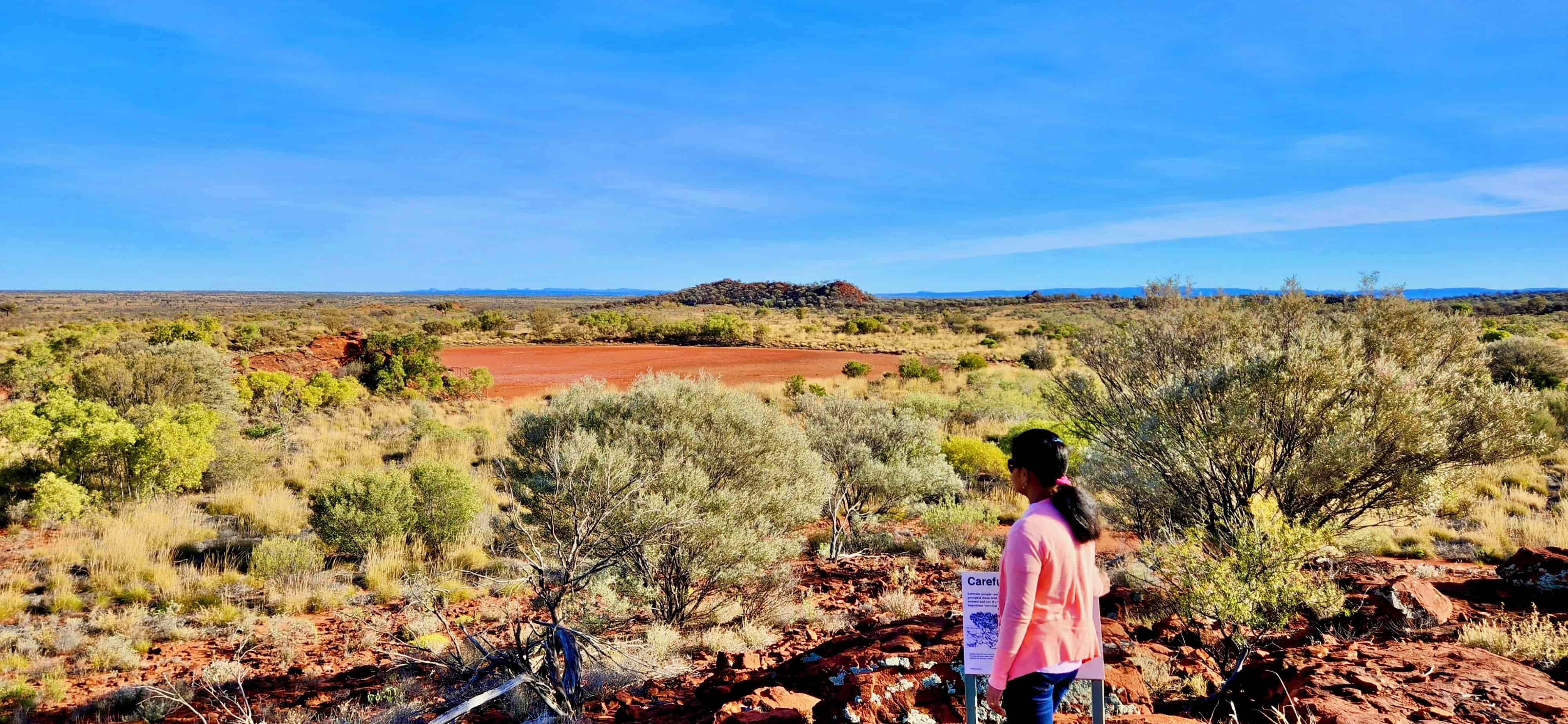
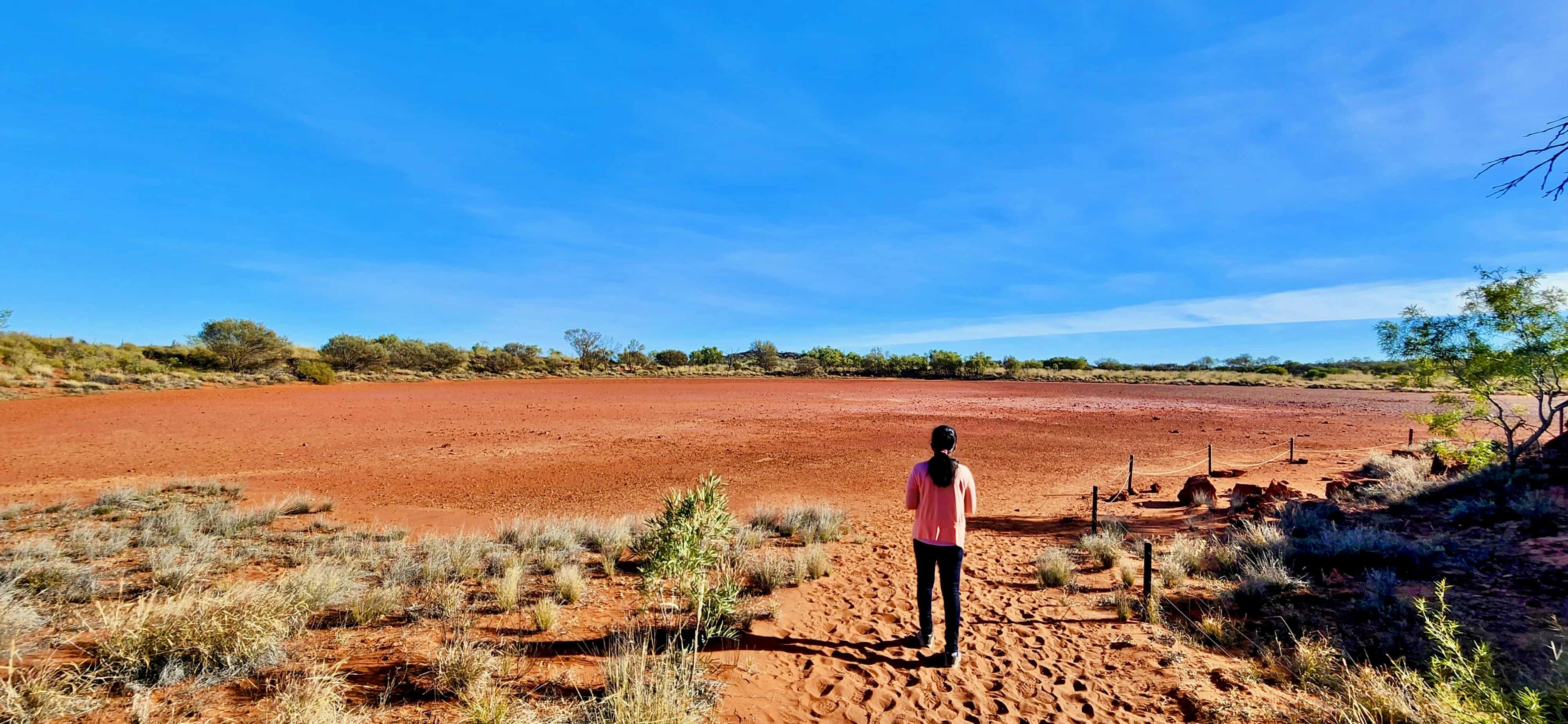
Day 3: Stop #1 - Henbury Meteorite Craters
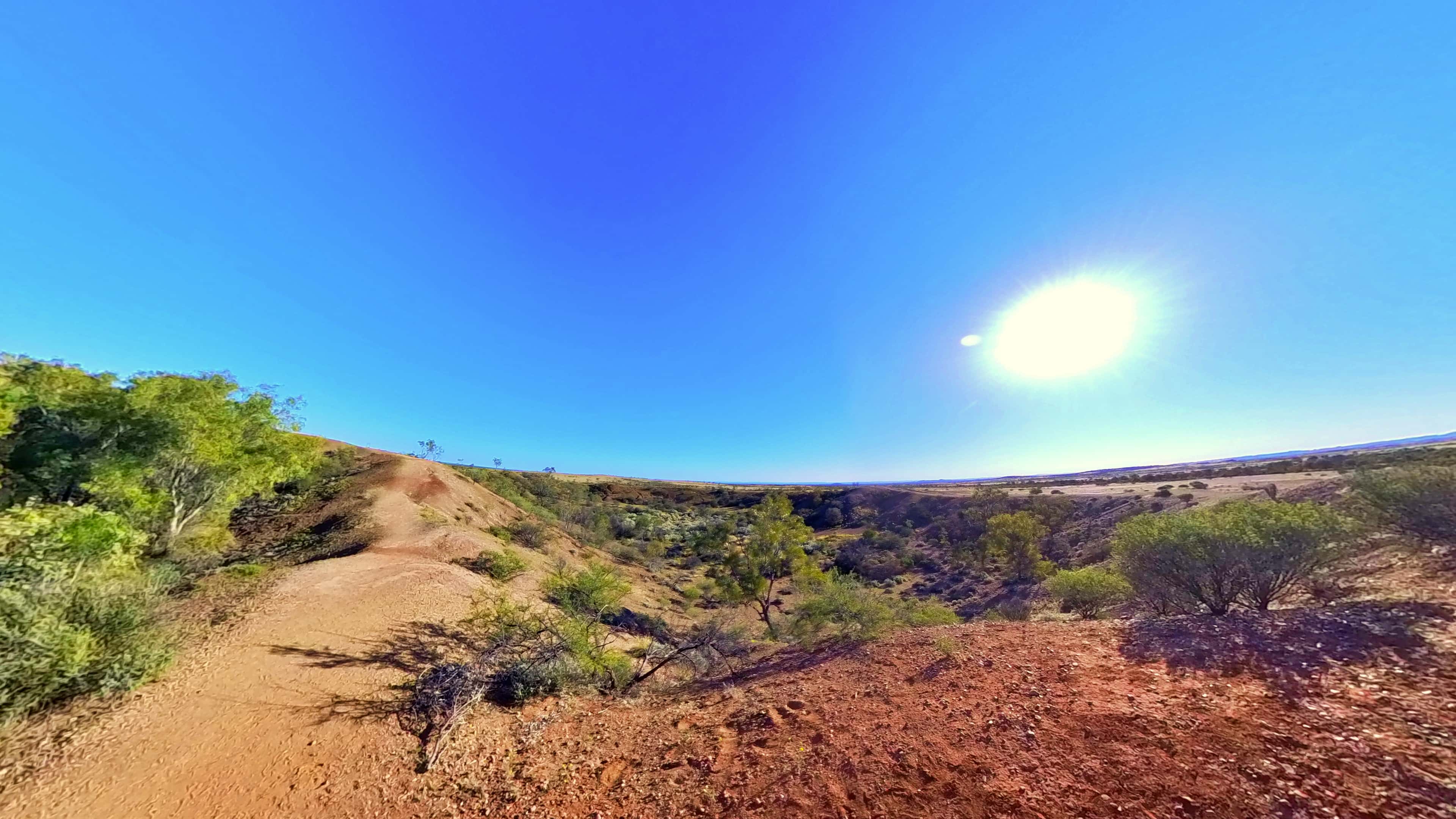
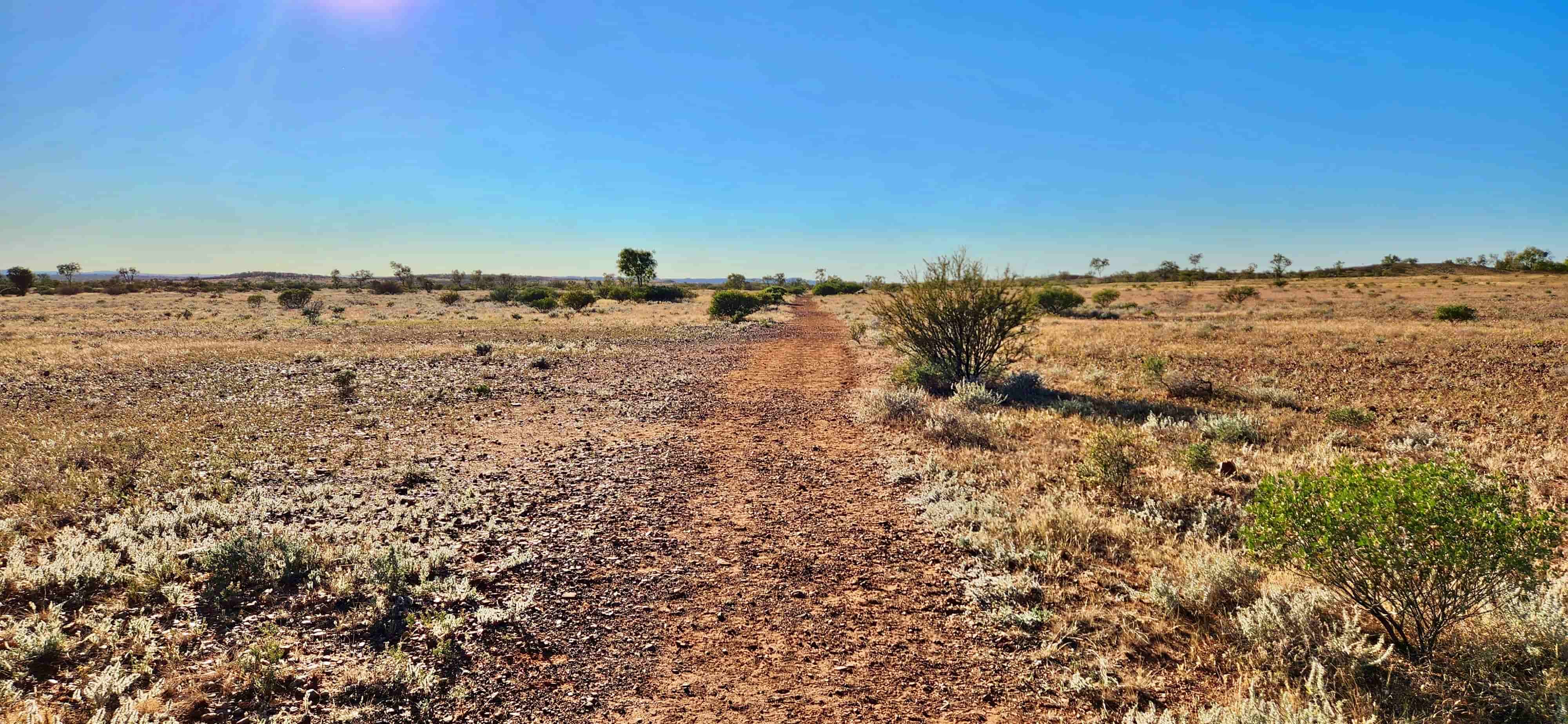
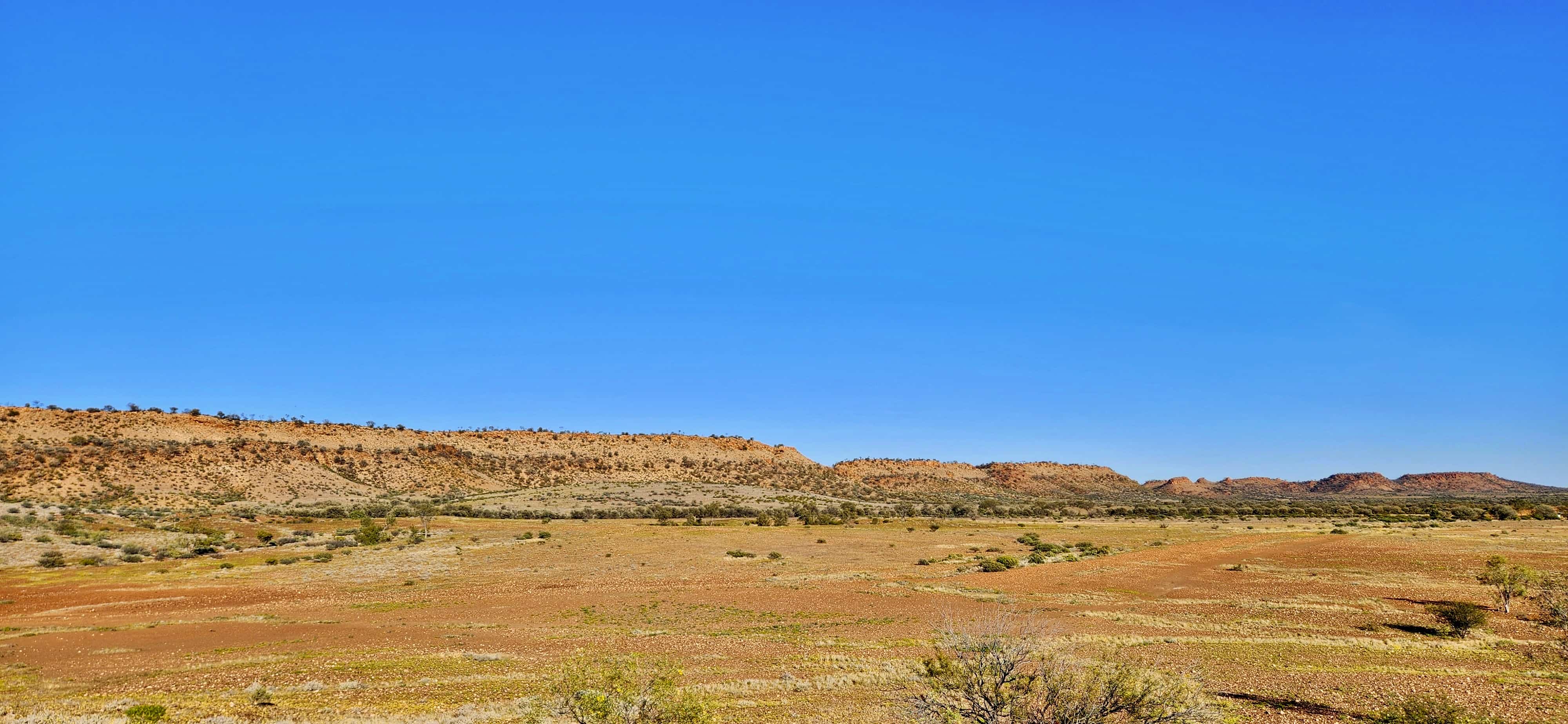
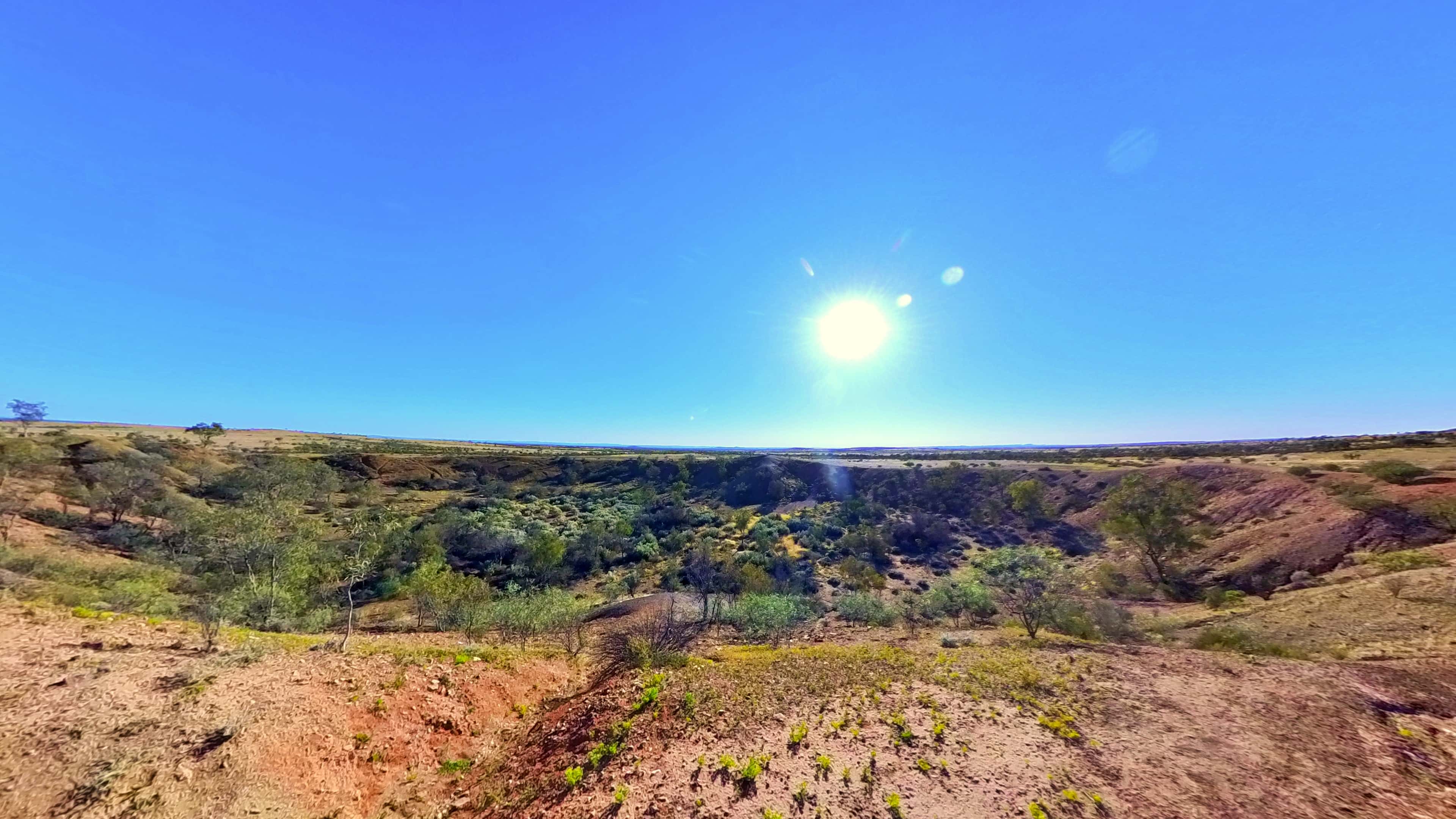
For the next four days, you’ll be exploring Alice Springs and its surrounding landscapes. The first stop is the remarkable Henbury Meteorite Craters, one of Australia’s most fascinating geological landmarks.
Note: Please note that Ernest Giles Road is an unsealed road. While it is generally passable with a regular 2WD vehicle under normal weather conditions, drivers should exercise extreme caution after wet weather, as road conditions can deteriorate quickly. Always check road conditions before travelling.
Formed over 4,700 years ago by a meteorite impact, this protected reserve features a series of craters scattered across a stark desert landscape. A short walking trail loops around the craters, offering an easy introduction to the Red Centre while highlighting the raw power of nature and the region’s ancient past.
Day 3: Stop #2 - Alice Springs Telegraph Station
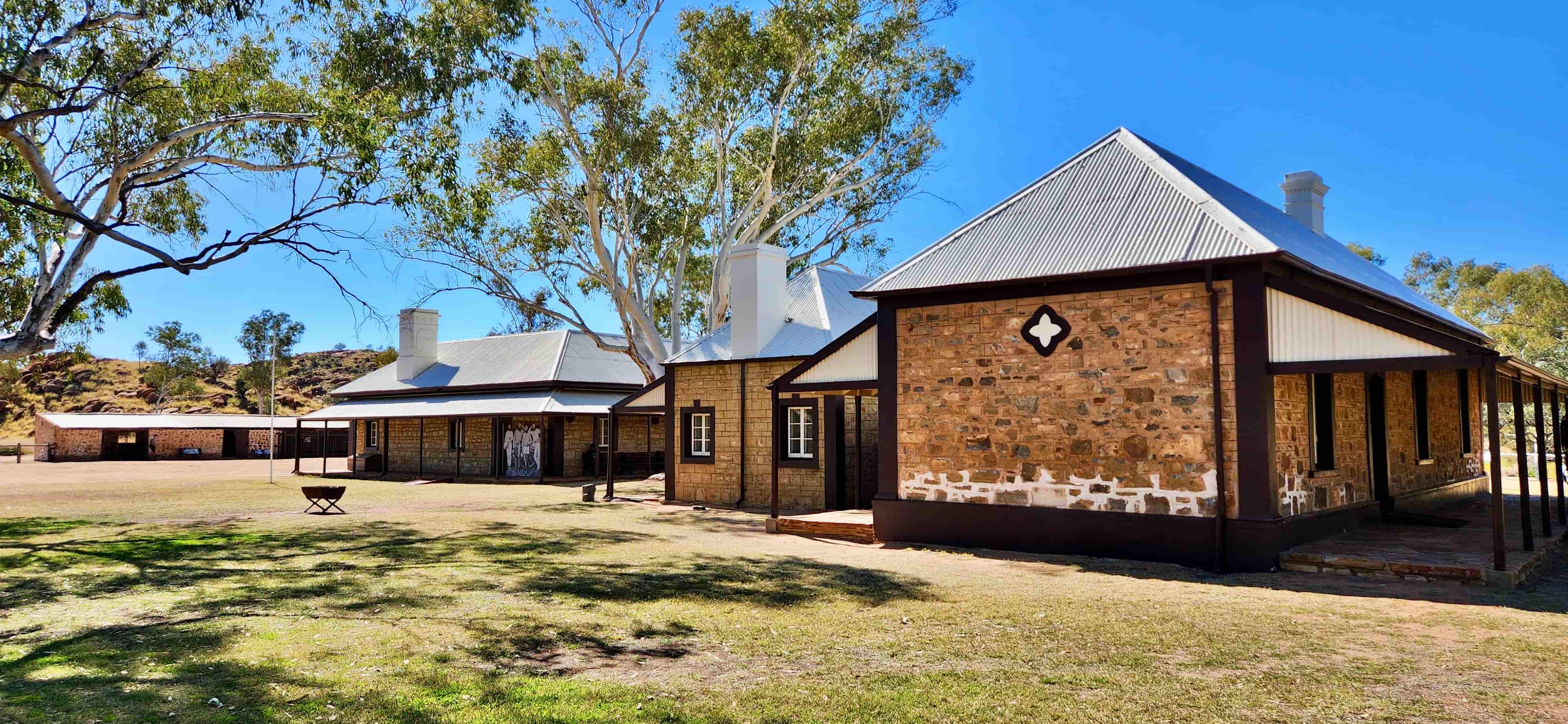
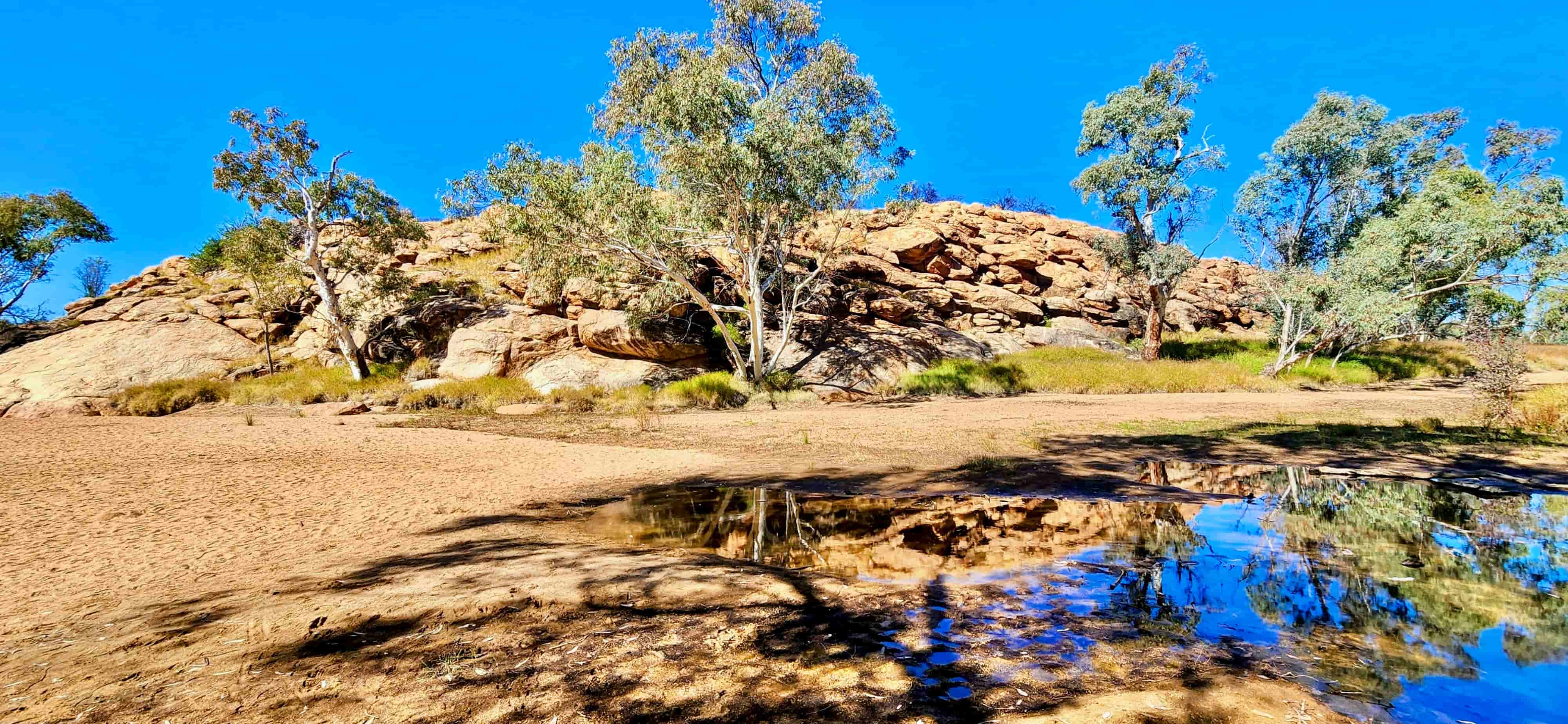
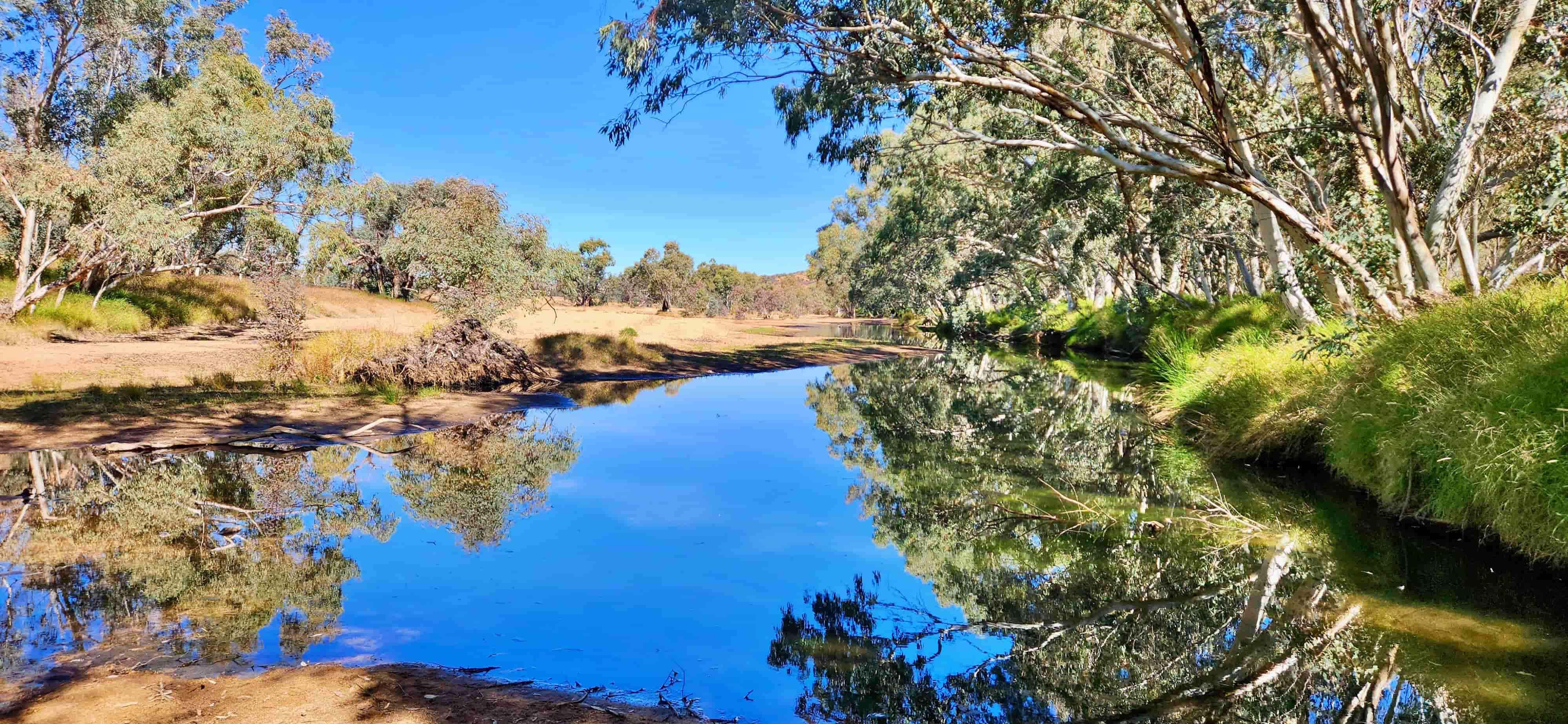
The next stop is the historic Alice Springs Telegraph Station, often referred to as the birthplace of Alice Springs.
This beautifully preserved site tells the story of early European settlement and the Overland Telegraph Line that once connected Australia to the rest of the world. Guided tours provide excellent insight into life in the outback during the late 19th century, making this a must-visit cultural stop.
Day 3: Stop #3 - Royal Flying Doctor Service Tourist Facility
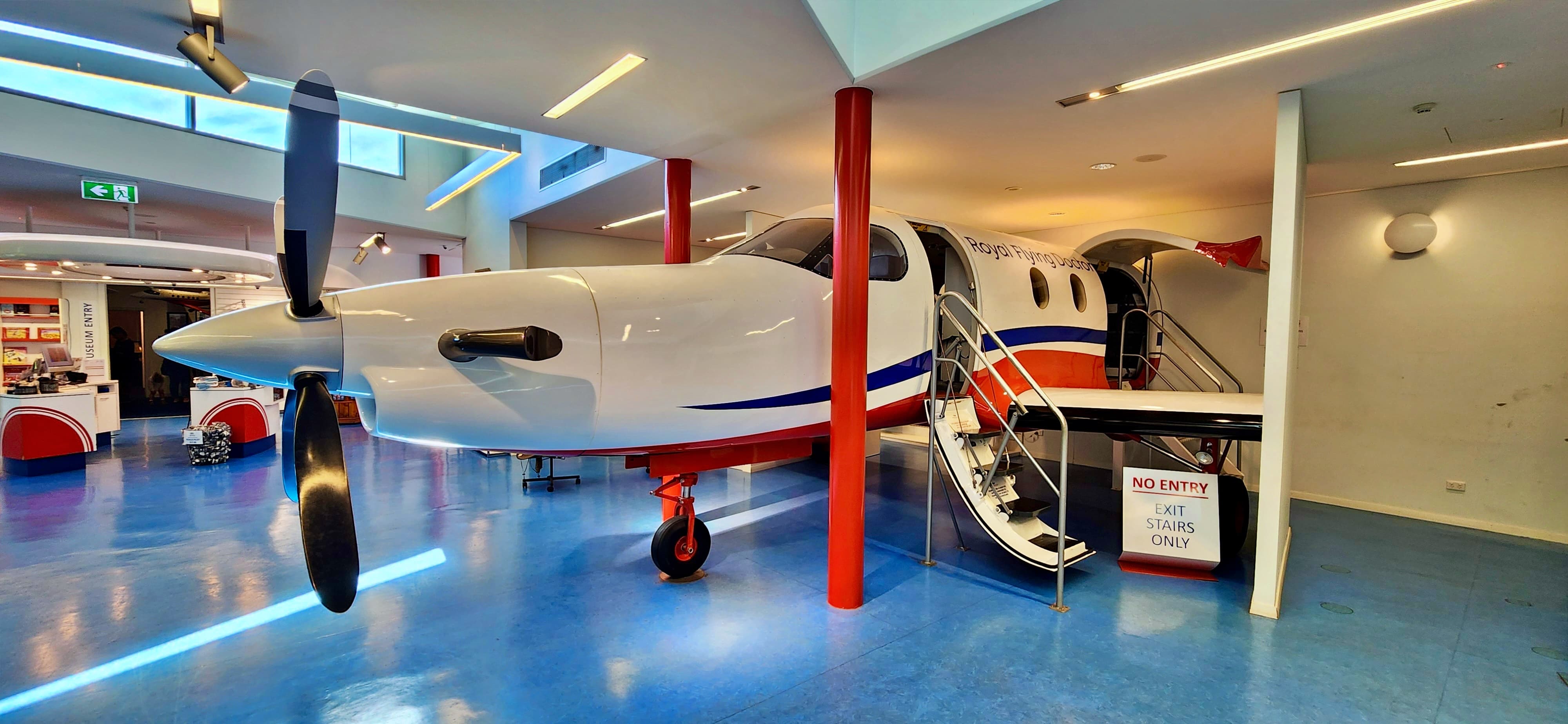
Later in the afternoon, the journey continues to the Royal Flying Doctor Service Tourist Facility.
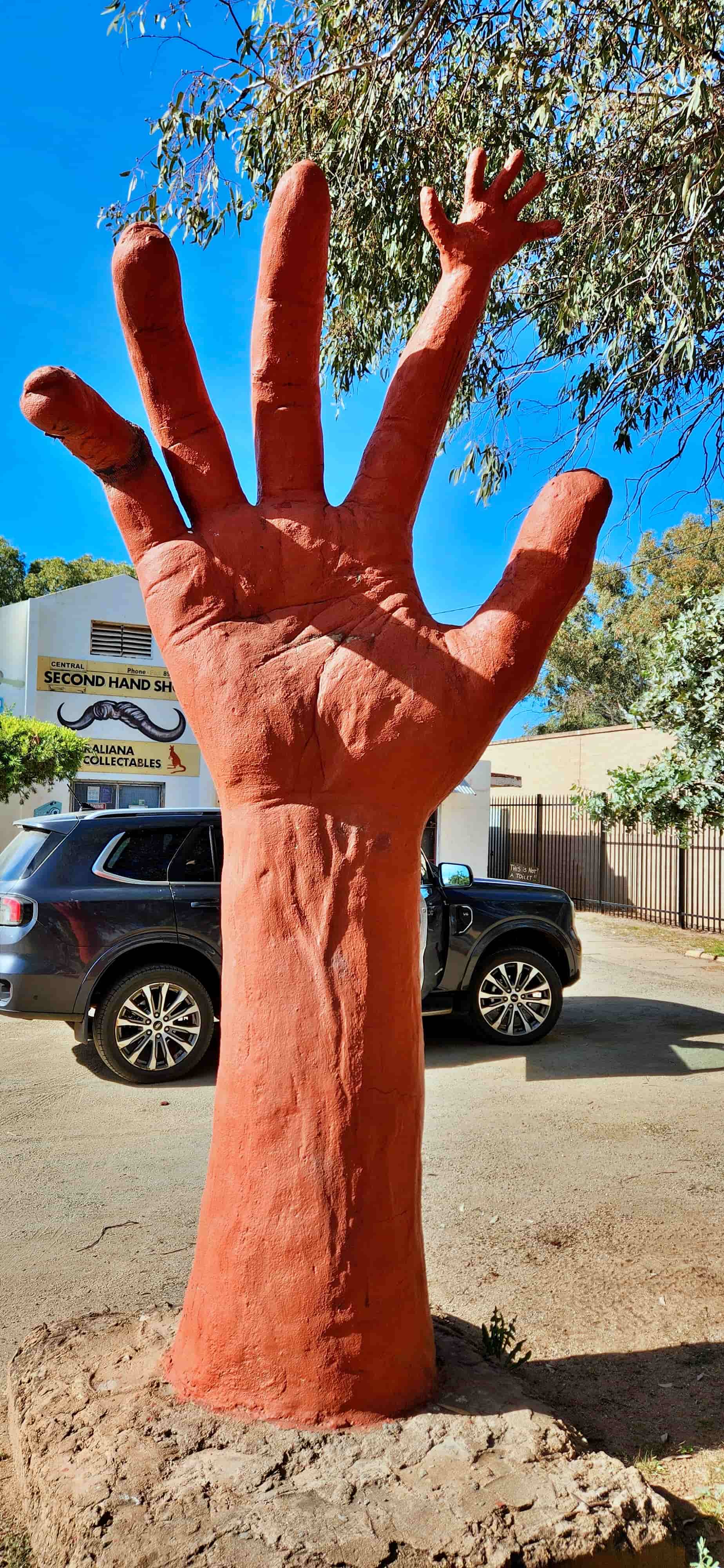
Along the way, make a quick stop at The BIG Hand, a quirky oversized sculpture located outside the Central Secondhand Shop in Alice Springs. This unexpected roadside attraction has become a fun photo stop for travellers passing through town, adding a light-hearted moment to your Red Centre adventure. It’s a quick visit that doesn’t require much time, but it’s a great chance to stretch your legs, snap a memorable photo, and experience a uniquely Alice Springs oddity before continuing on with your day.
This immersive experience showcases how healthcare is delivered across some of the most remote regions on Earth. Through interactive displays, aircraft hangars, and real-life stories, visitors gain a deeper appreciation for this iconic Australian service and its vital role in outback communities.
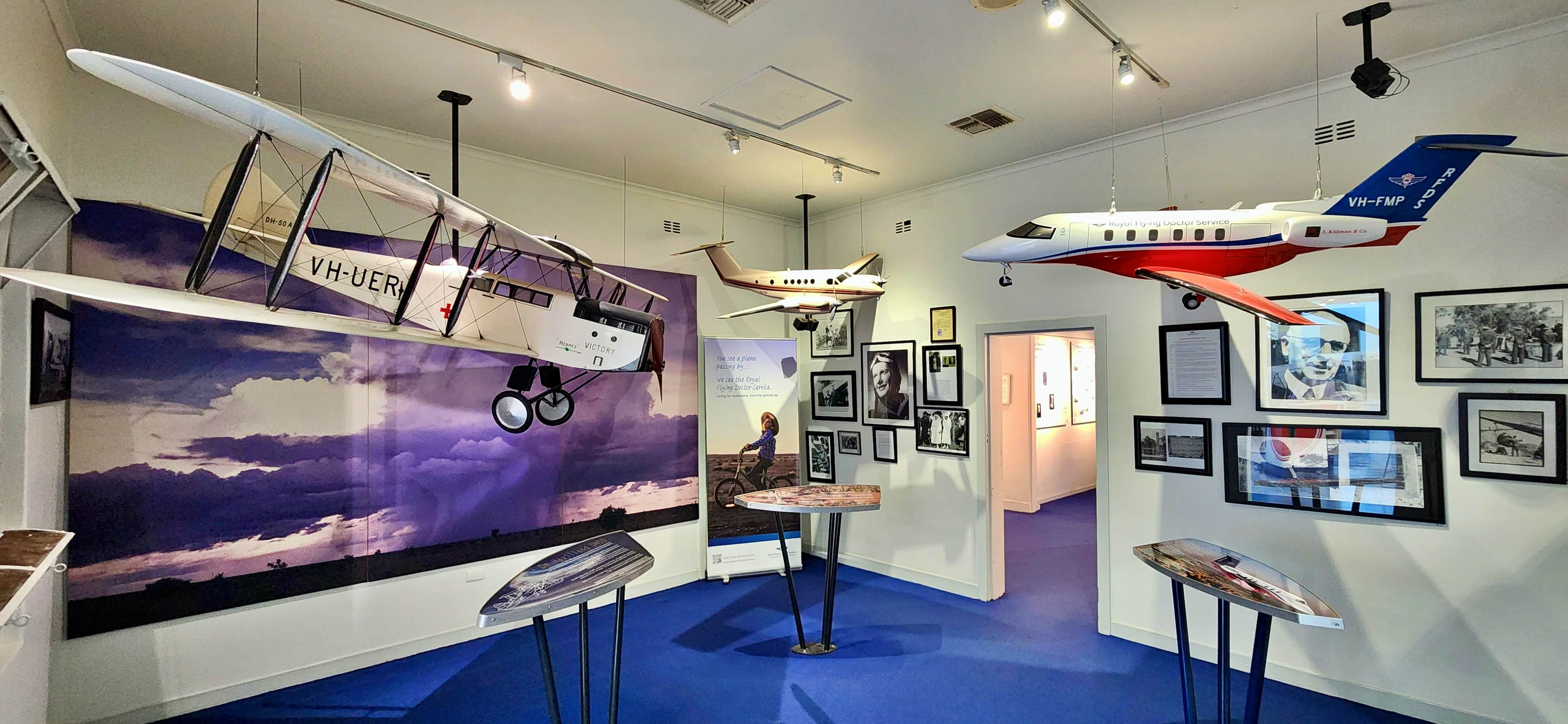
Book your tickets via the link below to secure your spot in advance.
Day 3: Last Stop - Napwerte / Ewaninga Rock Carvings
The last stop of the day is Napwerte / Ewaninga Rock Carvings, a culturally significant site home to thousands of ancient Aboriginal rock engravings.
A short walk (Grade 2 - easy 600m loop, 30 minutes) reveals carvings believed to be thousands of years old, depicting animals, symbols, and spiritual stories. Visiting late in the day offers softer light and a peaceful atmosphere, perfect for quiet reflection. Please stay on the marked trail and do NOT photograph or touch the carvings. There are signs throughout the walk indicating this so please respect them.
Day 4: Alice Springs Desert Park
You will be spending your entire second day in Alice Springs Desert Park, an award-winning attraction that brings the Central Australian desert to life.
Through immersive habitats and interpretive exhibits, the park introduces native wildlife, desert plants, and Aboriginal perspectives on the land. Spending a full day here allows time to truly understand how life thrives in such an extreme environment. There are presentations throughout the day to engage and help you learn more about the region and its wildlife.
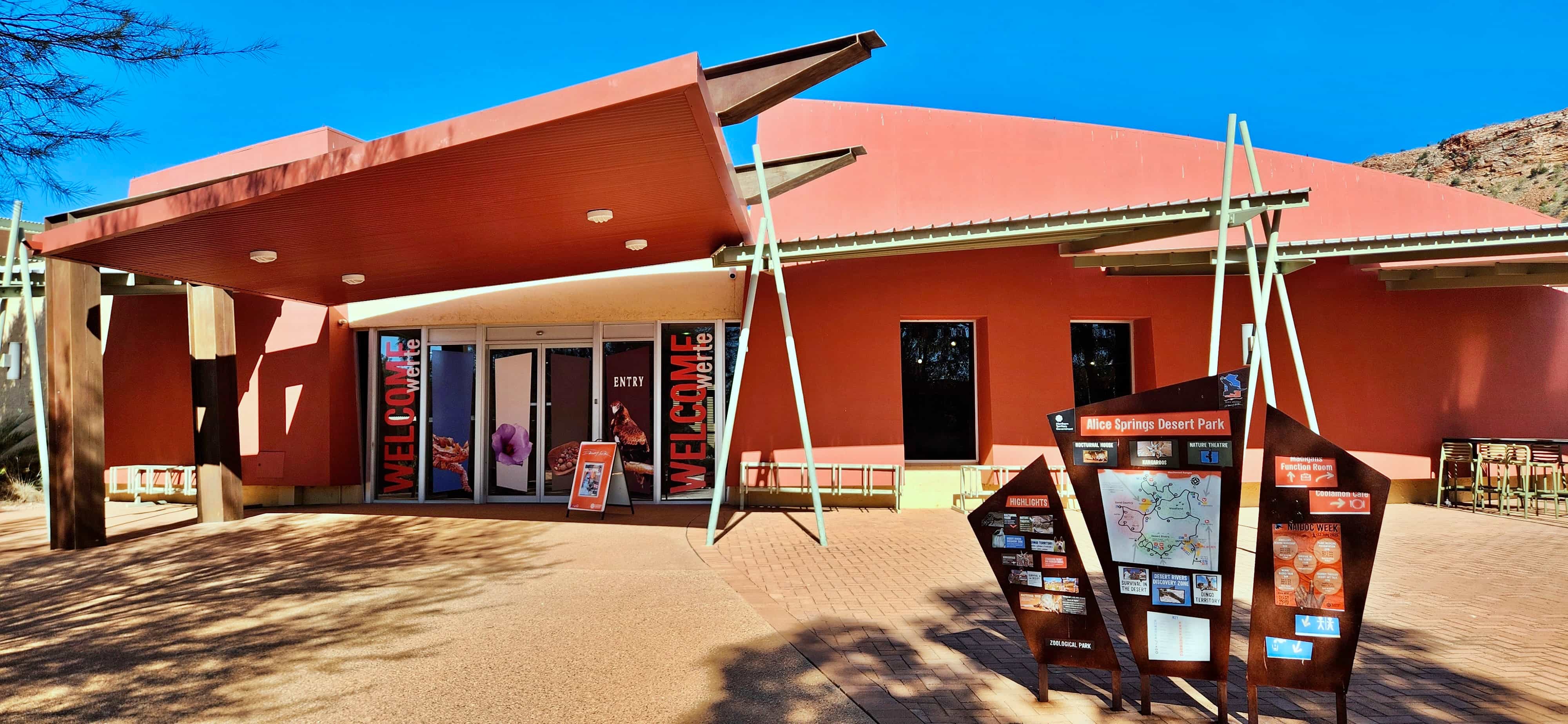
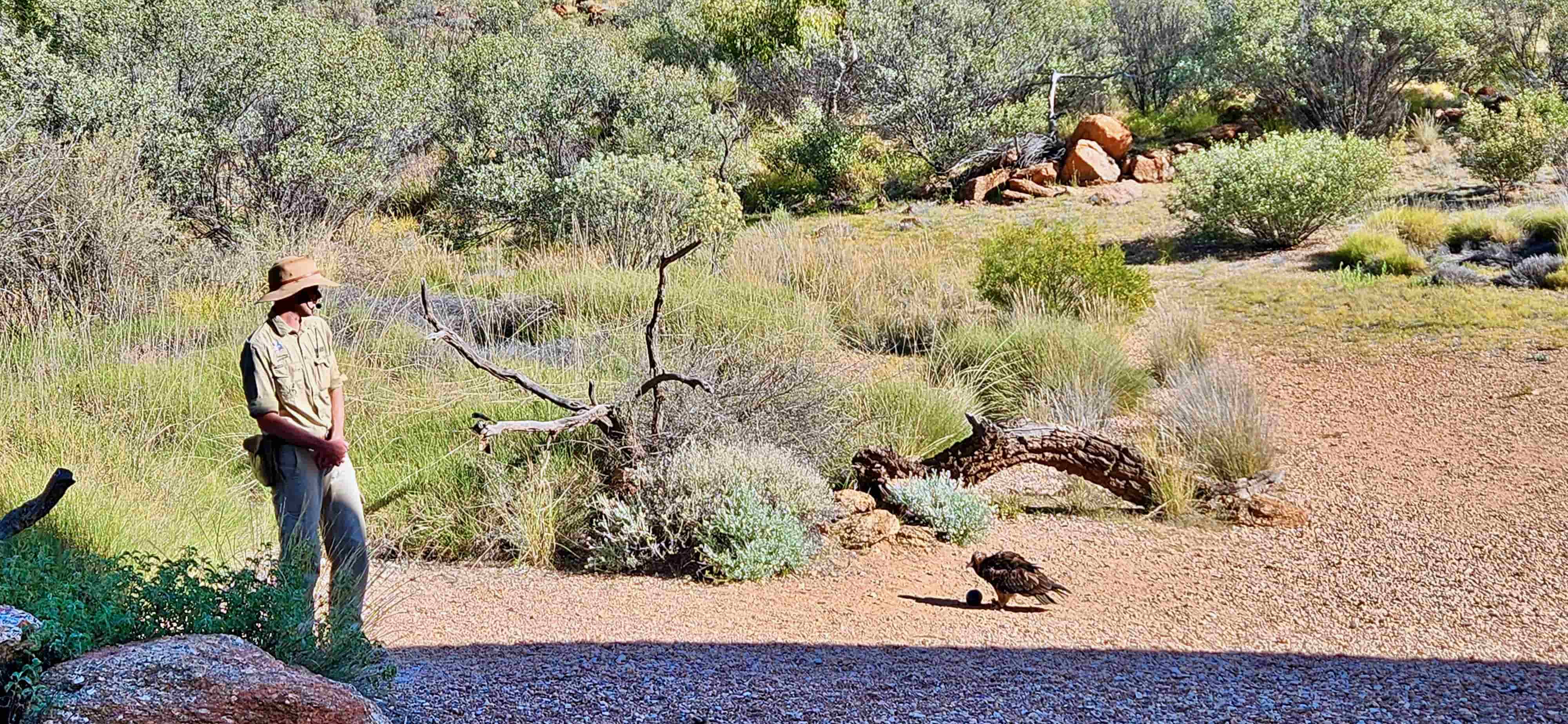
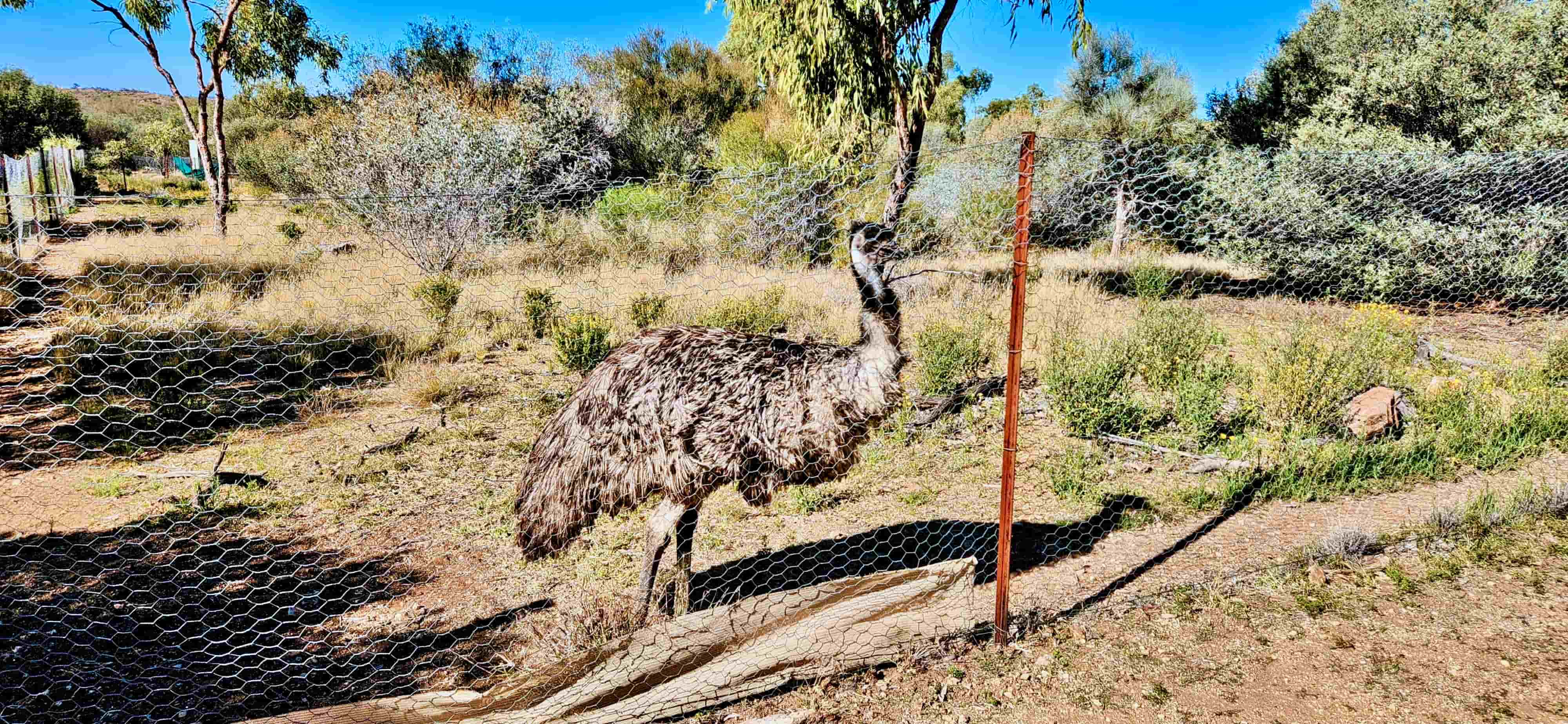
Book your tickets via the link below to secure your spot in advance.
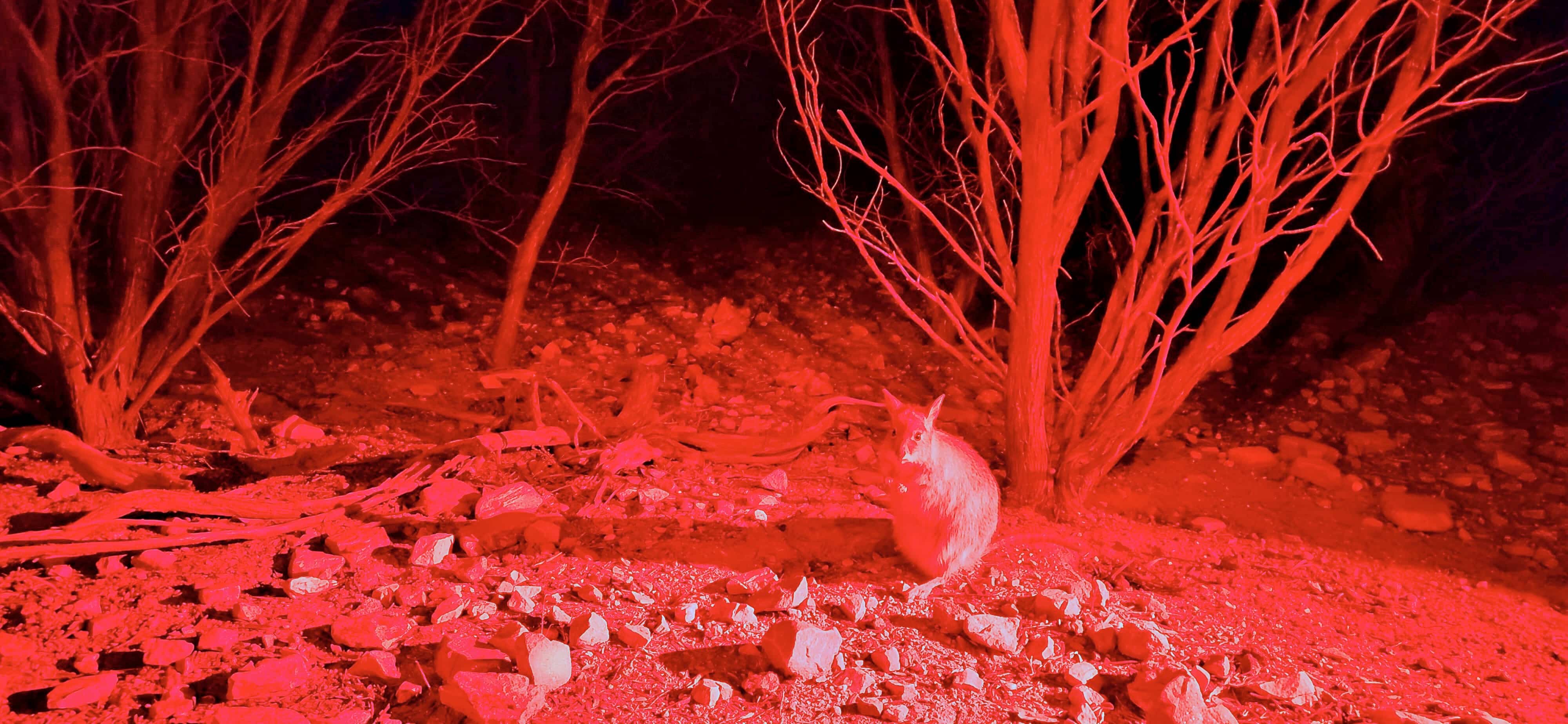
Later that evening, the next experience is the Desert Park’s guided nocturnal tour. As the sun sets, the desert transforms, revealing nocturnal animals rarely seen during the day. This unique after-dark experience offers valuable insight into desert survival and is one of the most memorable ways to end the day in Alice Springs.
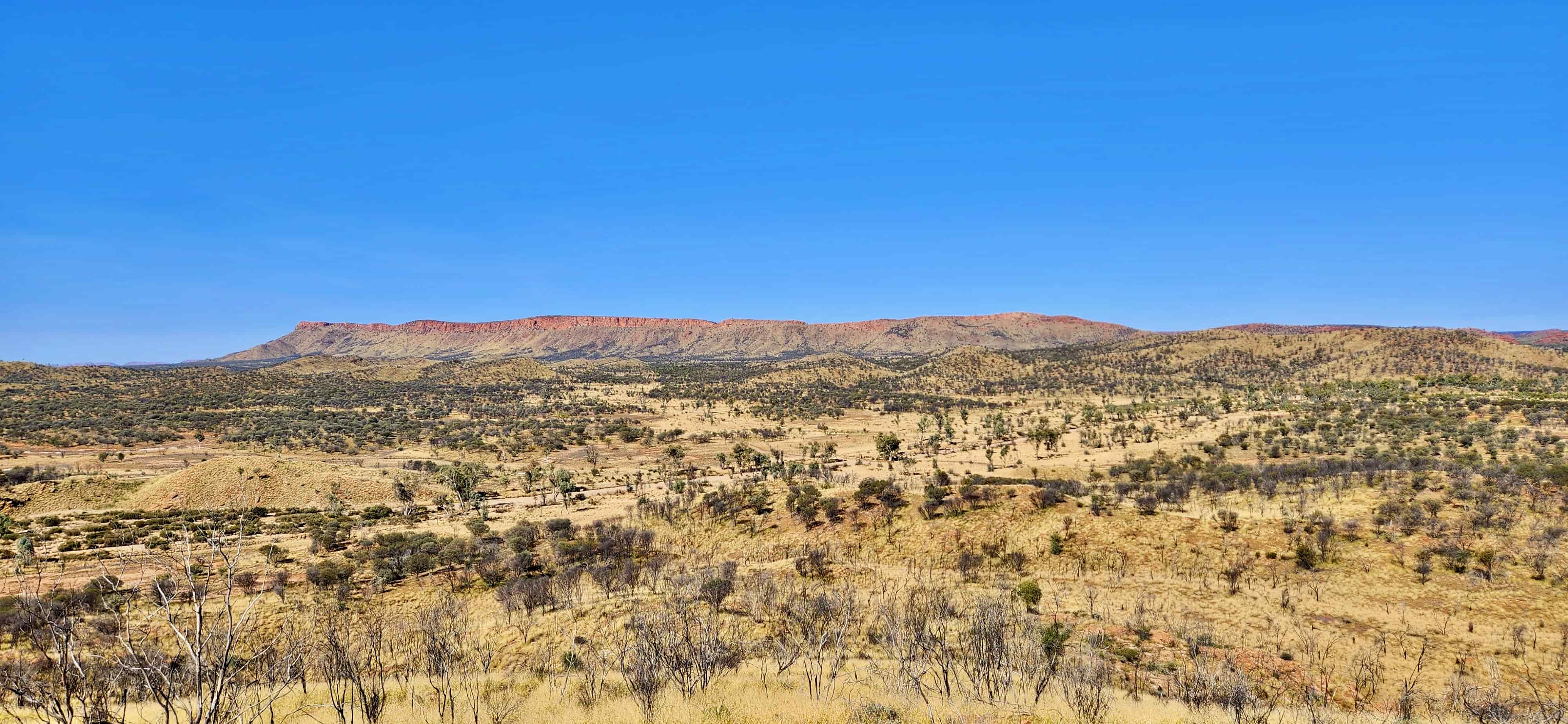
Day 5: Stop #1 - Simpsons Gap
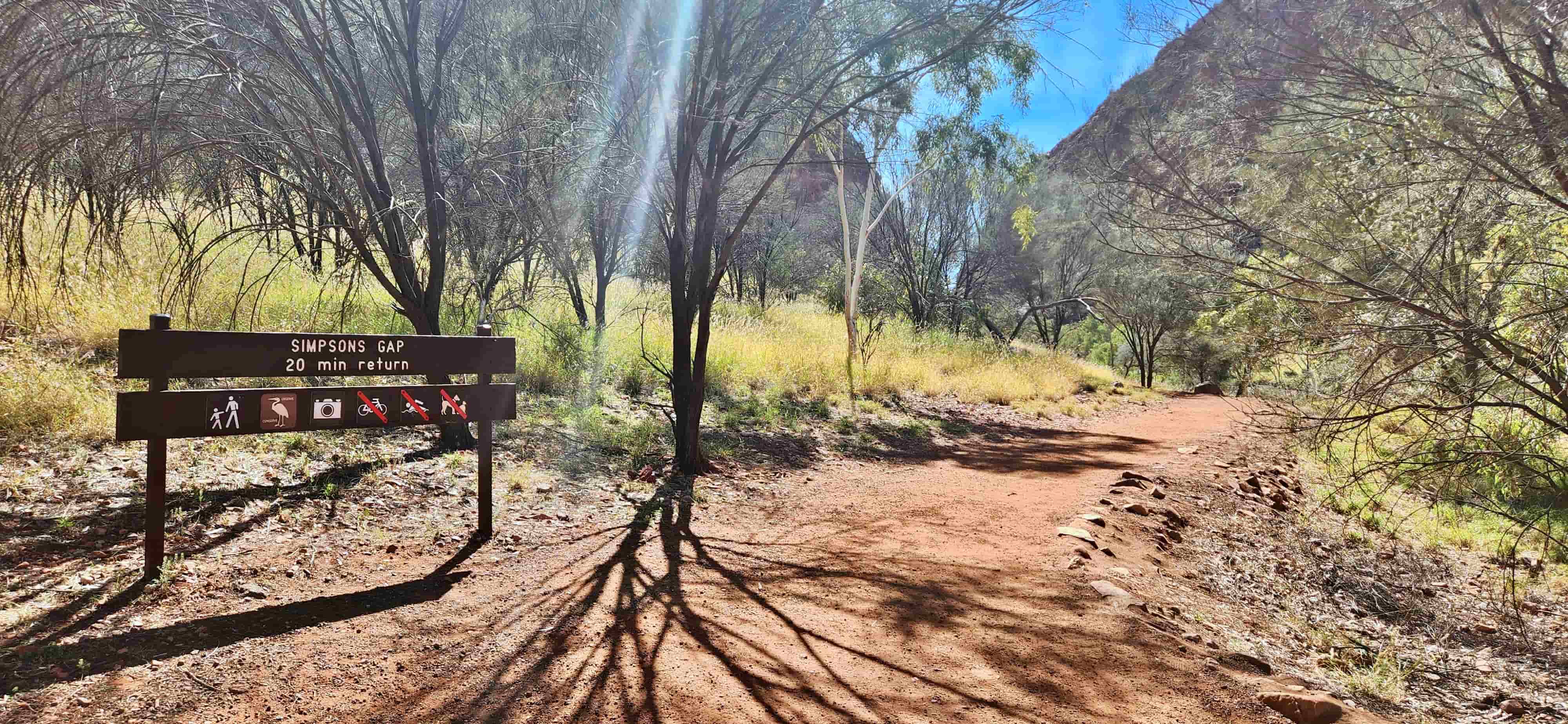
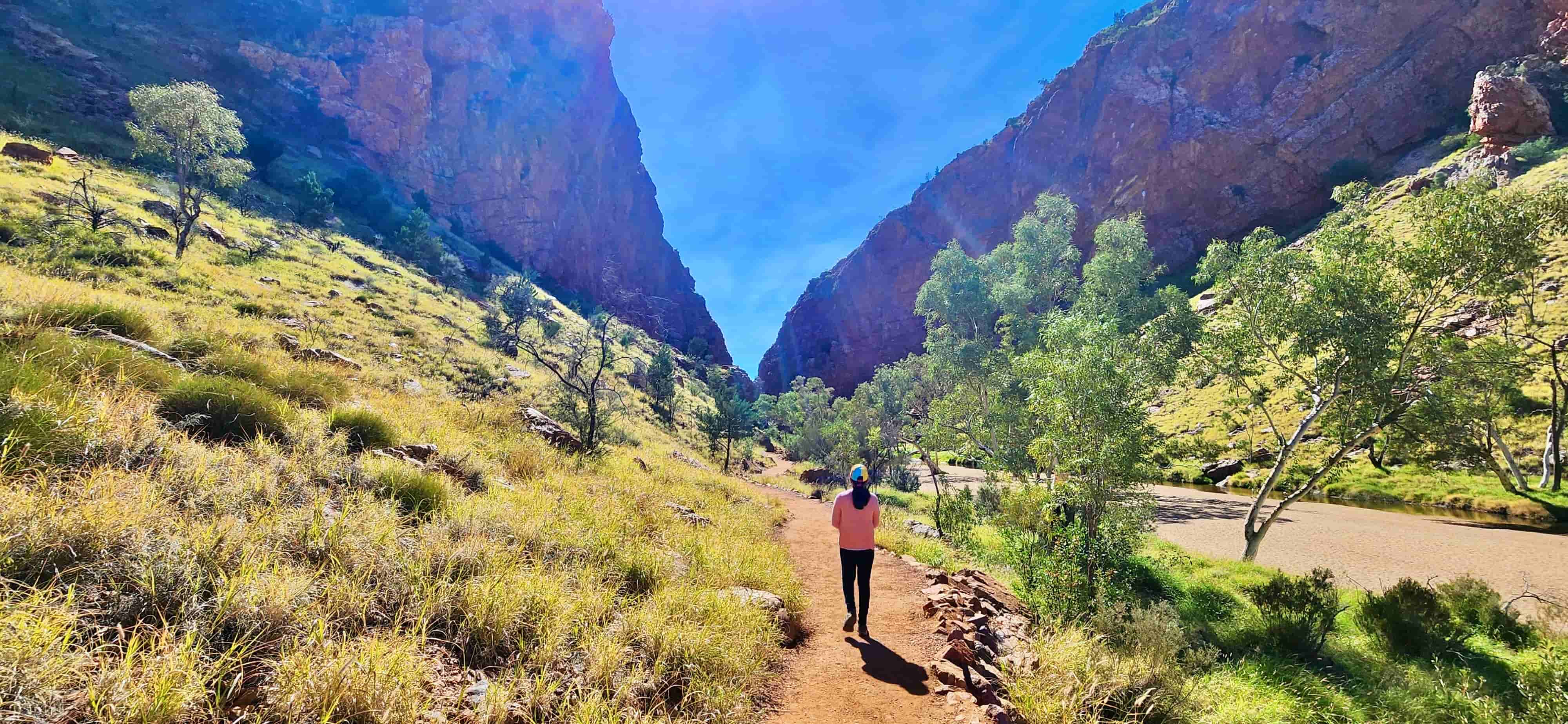
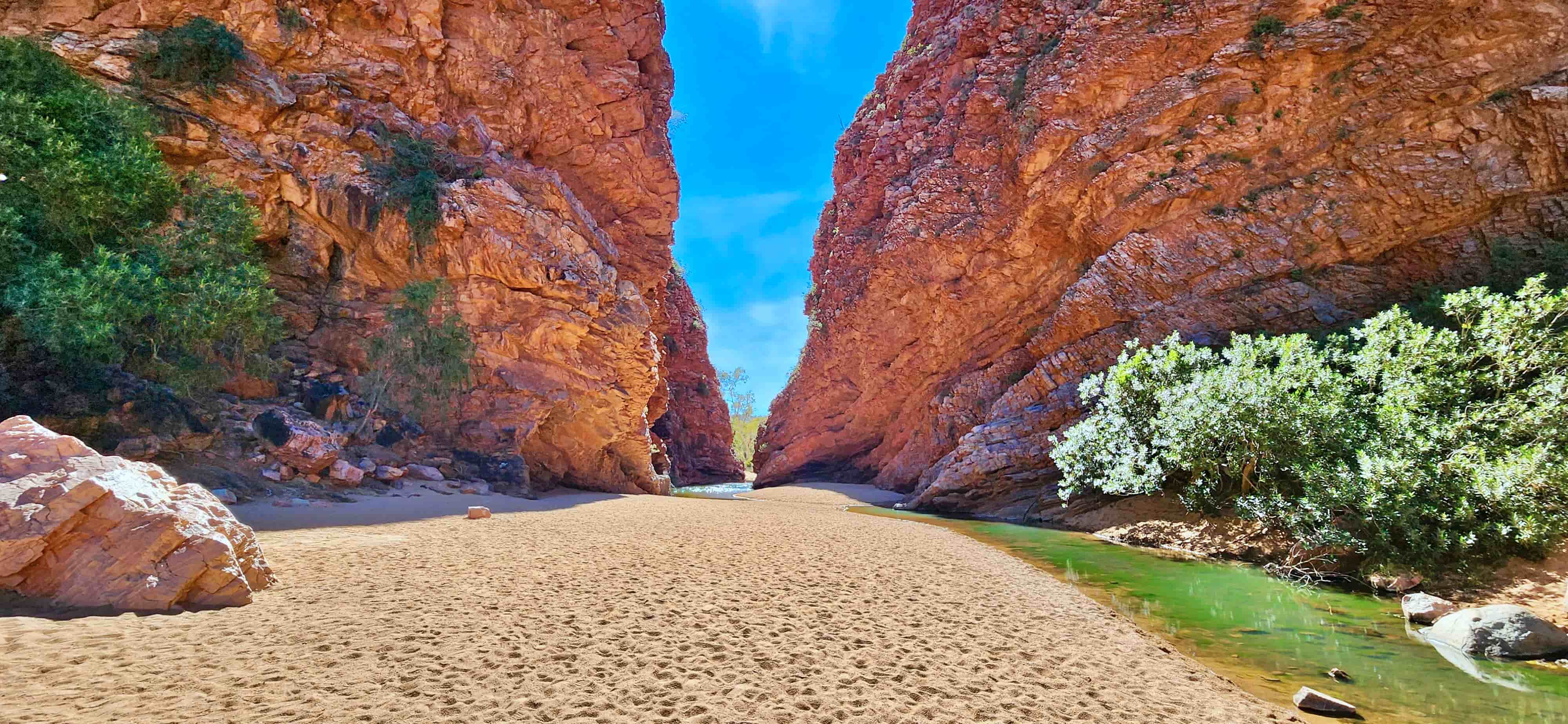
The first stop of the third day is Simpsons Gap, a striking gap in the West MacDonnell Ranges carved by ancient waterways.
A short walk from the carpark reveals towering cliffs and a permanent waterhole, making this an excellent spot for early morning visits. With a bit of luck, you may also spot black-footed rock-wallabies resting among the rocks, adding to the magic of this serene outback setting.
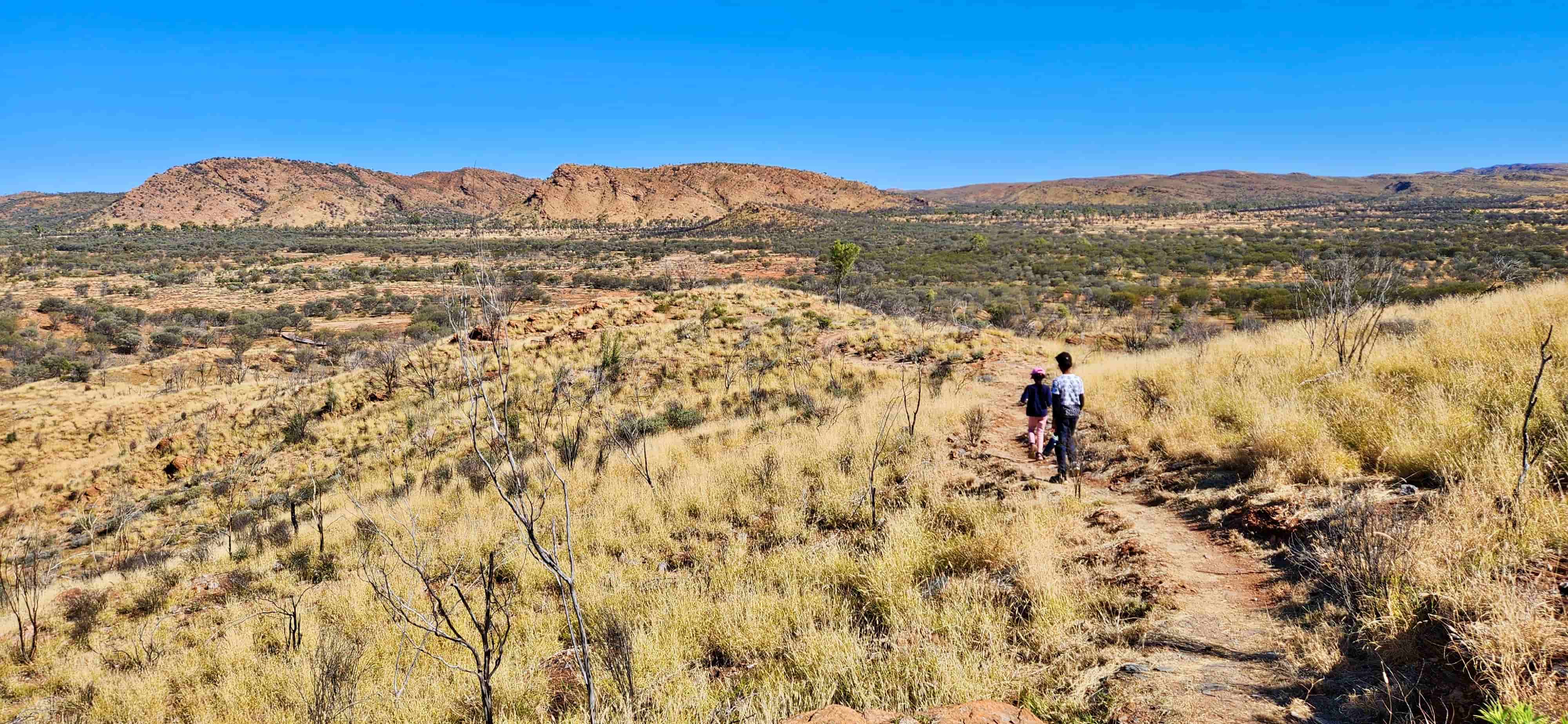
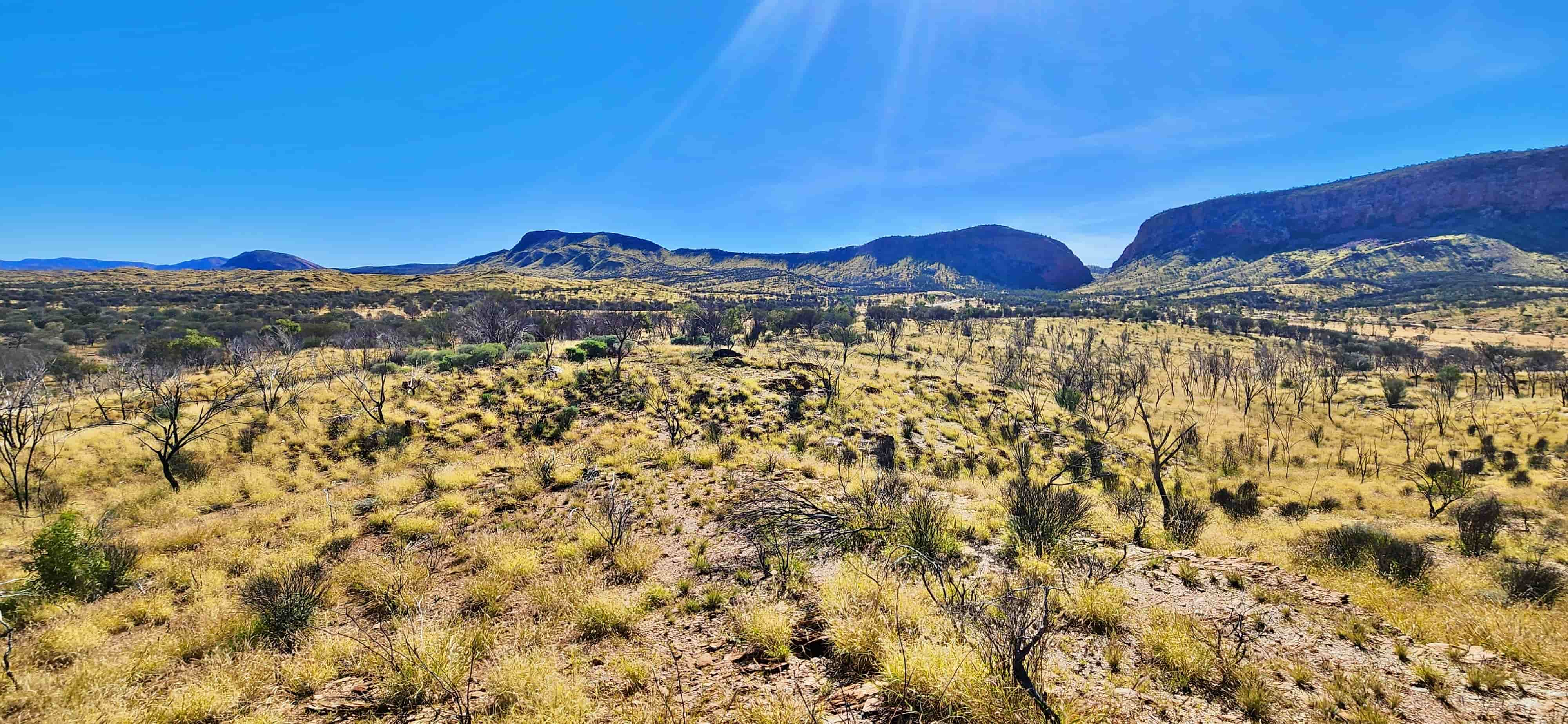
Next on the itinerary is the Cassia Hill Walk, located just a short drive from the main Simpsons Gap carpark.
This rewarding 1.8 km return walk takes around an hour and is graded as Level 3 moderate, making it a great option for those after big views without a long hike. From the top, you’re treated to sweeping panoramic views across the surrounding ranges — perfect for soaking in the scale and beauty of the West MacDonnell landscape.
Day 5: Stop #2 - Standley Chasm
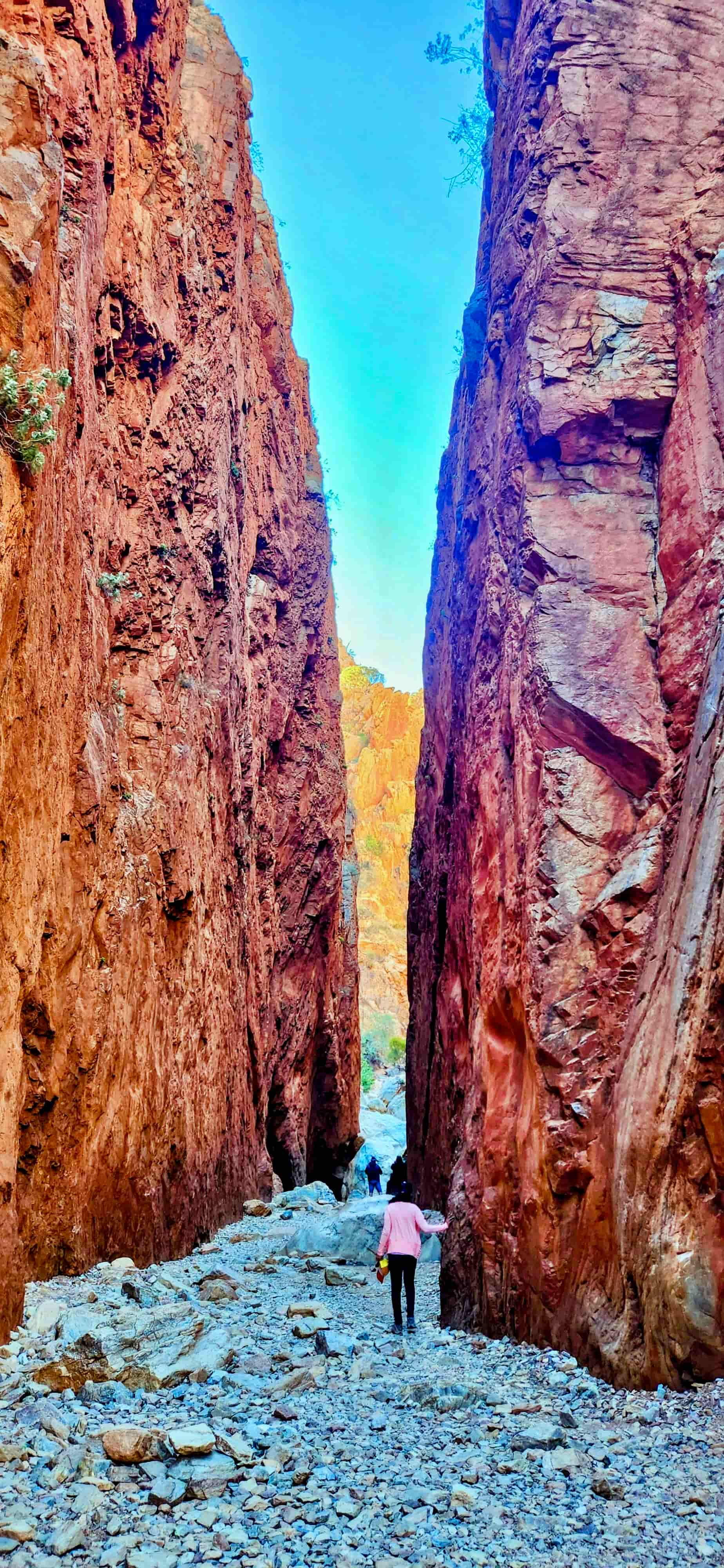
The next stop is Standley Chasm, a narrow gorge of immense cultural significance to the Arrernte people.
Visiting mid-morning is ideal, when sunlight filters into the chasm and illuminates the deep red rock walls in a dramatic display of colour. The short, easy walk in makes this an accessible yet visually stunning highlight, and one of the most photogenic stops in the West MacDonnell Ranges.
Day 5: Stop #3 - Ellery Creek Big Hole
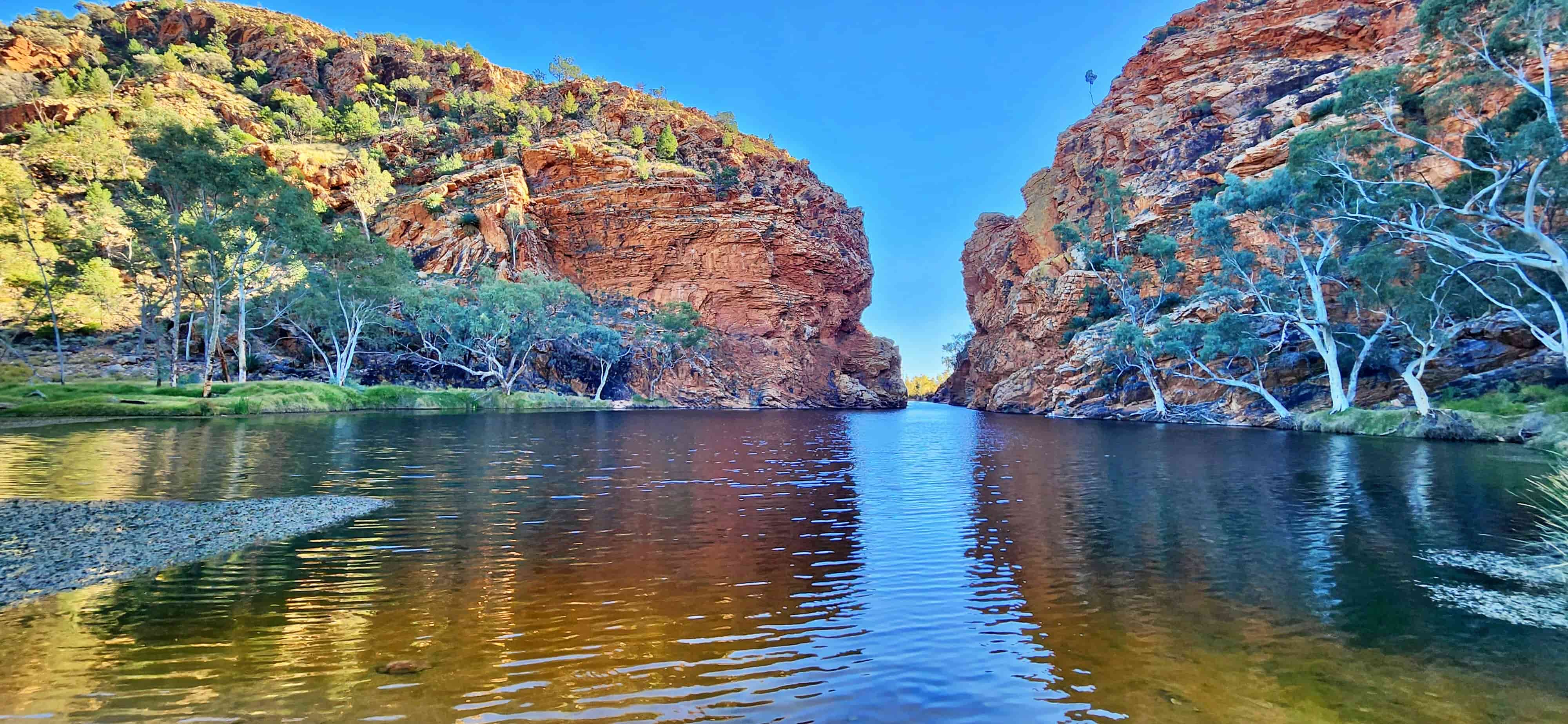
By midday, the journey continues to Ellery Creek Big Hole, one of Central Australia’s most popular swimming spots.
Again, just a short walk from the carpark, Ellery Creek Big Hole reveals a picturesque waterhole framed by dramatic, sheer cliffs. It’s an ideal spot to pause for a picnic lunch and cool off with a swim after a morning spent exploring the gorges of the West MacDonnell Ranges, offering both relaxation and stunning scenery in equal measure.
Day 5: Stop #4 - Serpentine Gorge
The next stop is Serpentine Gorge, a quieter but equally impressive site within the West MacDonnell Ranges. Please note that the road from the Namatjira Road turn-off into Serpentine Gorge is unsealed, so extra care is required when driving, particularly after wet weather when conditions can change quickly. Always check road conditions before heading in and allow a little extra time for this section.
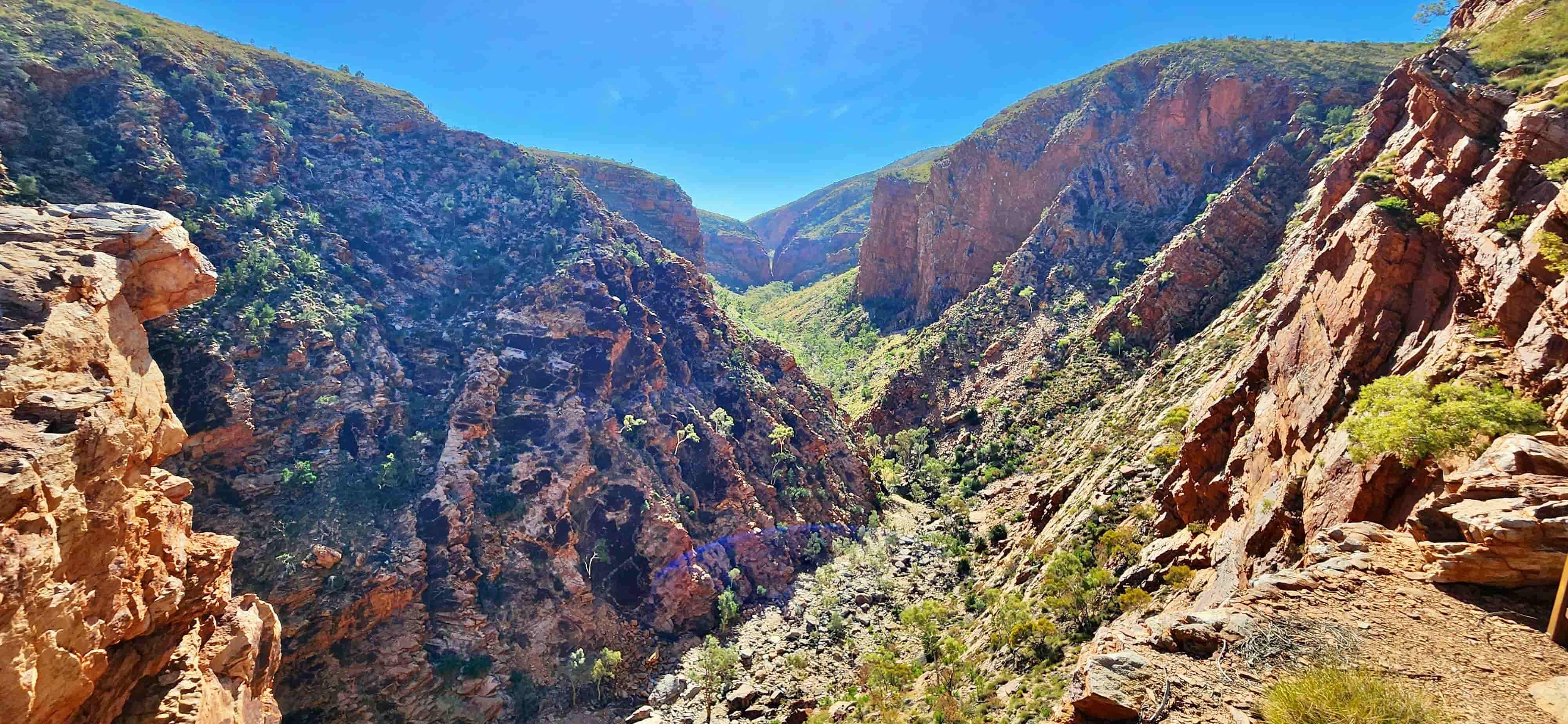
Follow the service track for 1.3 kilometres to reach Serpentine Gorge — an easy, Grade 2 walk that takes around 30 minutes one way. This narrow gorge holds immense cultural significance for the Arrernte people and offers a peaceful setting framed by rugged rock formations, making the walk as rewarding as the destination itself.
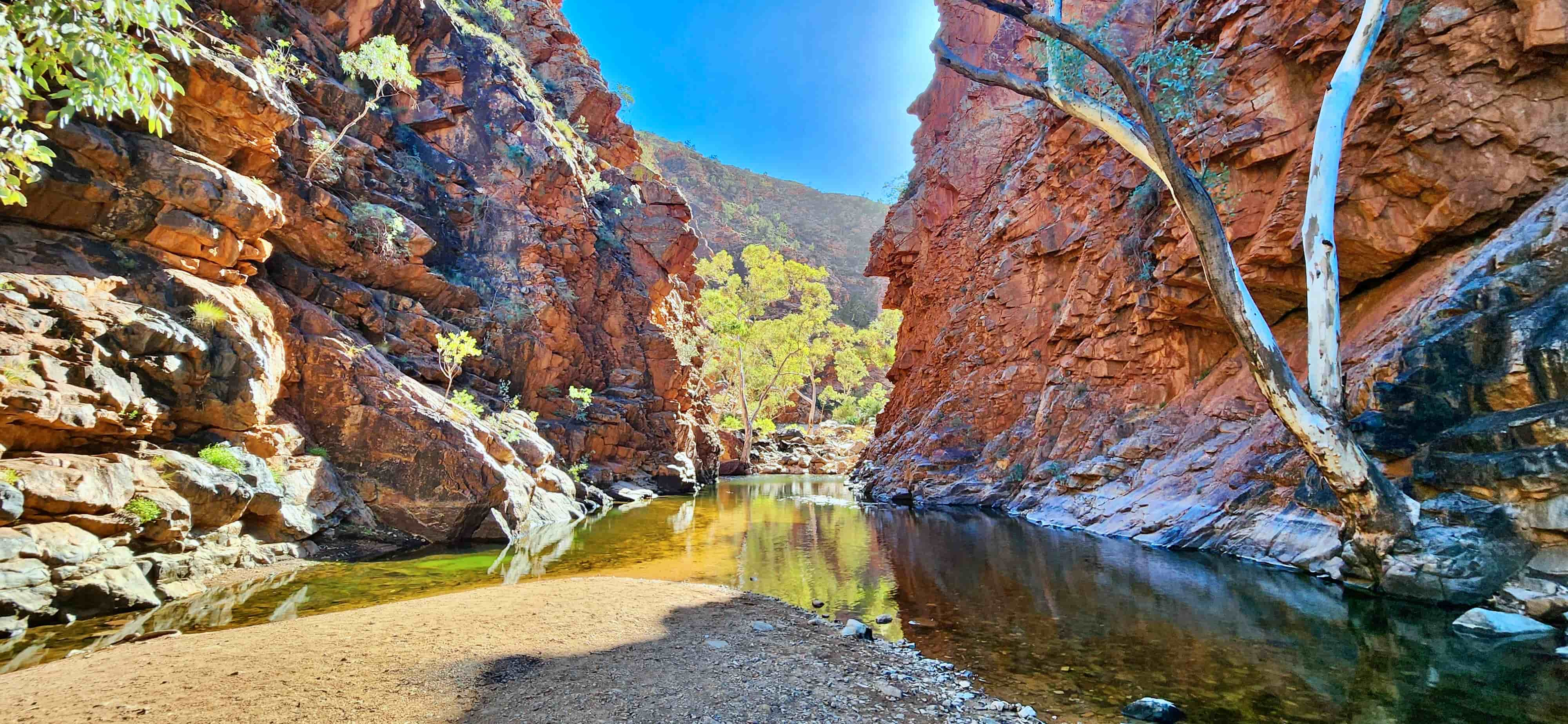
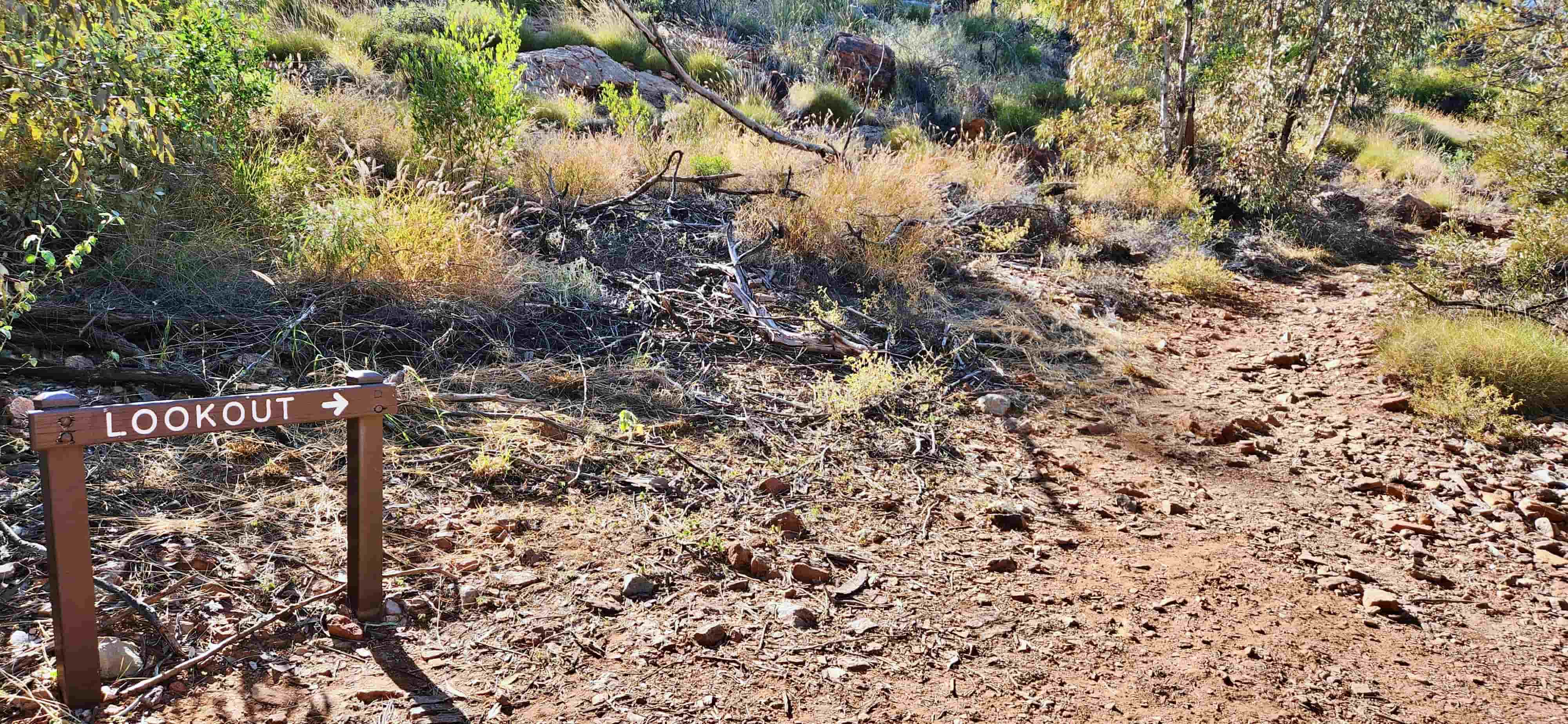
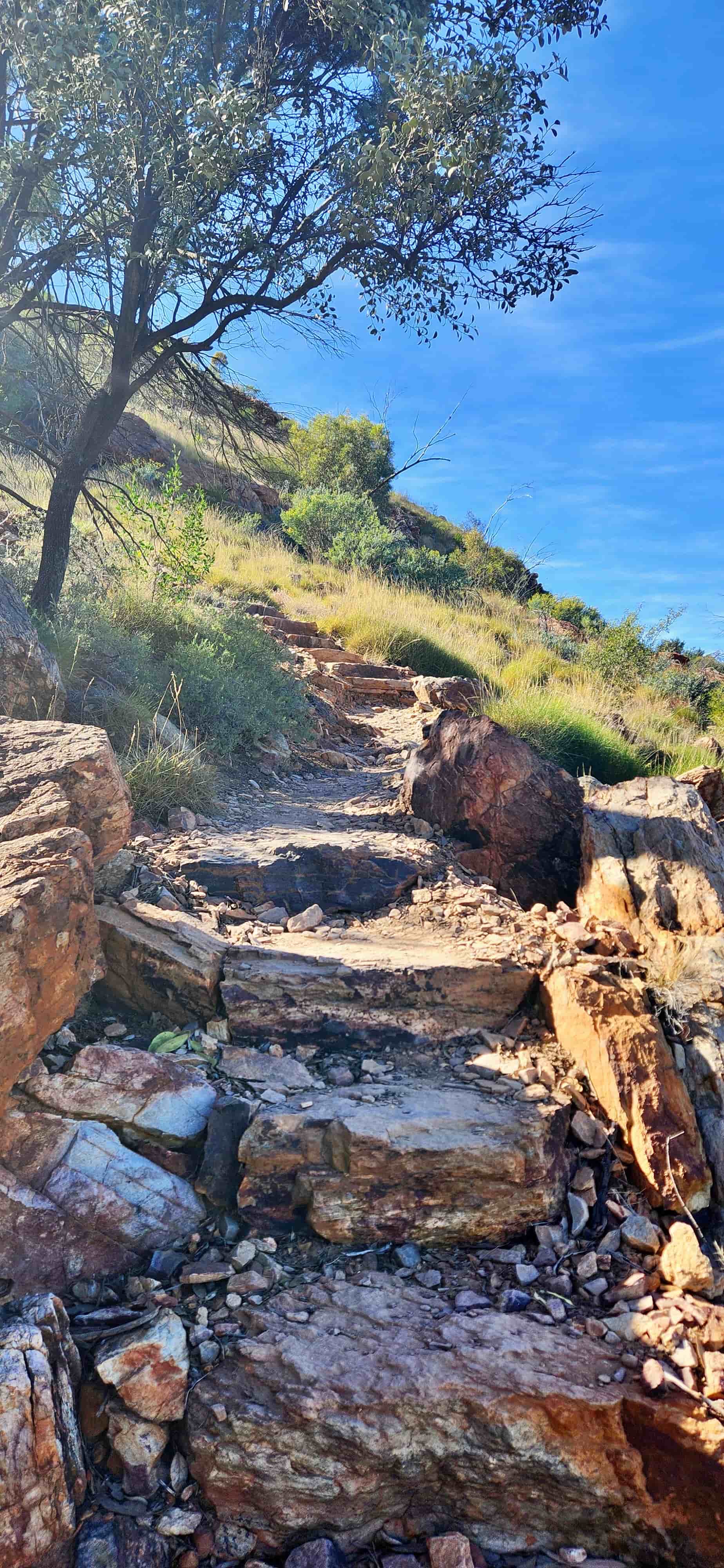
On the way back, keep an eye out for the turn-off to the lookout, then make the climb to the iconic Serpentine Gorge Lookout. While the ascent includes a steep climb with numerous stone steps, the effort is well rewarded with sweeping views over the gorge. The walk to the lookout is graded as a Level 3 moderate track and takes around 15 minutes one way from the turn-off.
Day 5: Last Stop - Anzac Hill Lookout
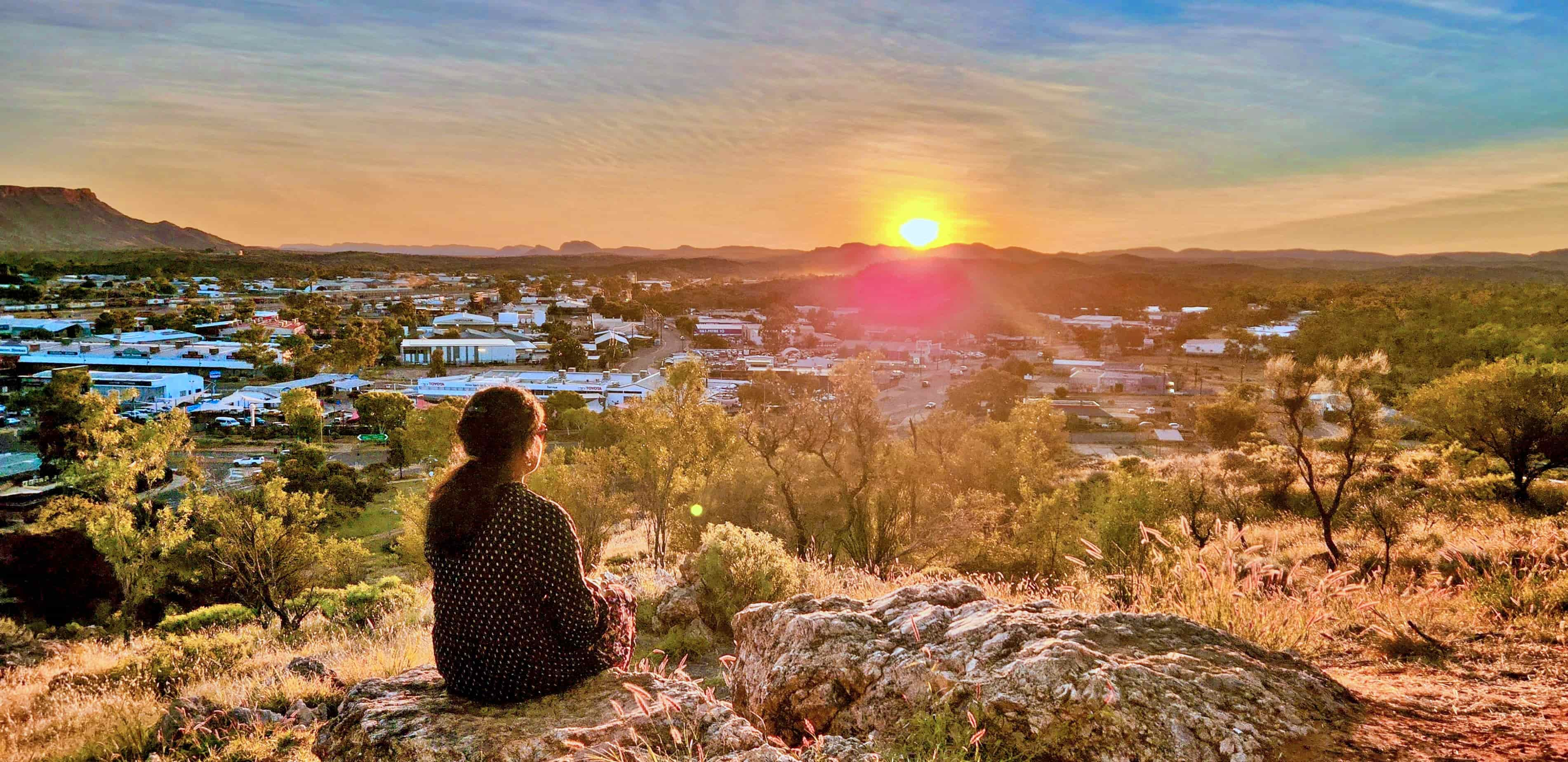
The final stop of the day is Anzac Hill Lookout, the best place in town to watch the sun dip below the horizon.
From here, uninterrupted views stretch across Alice Springs and the surrounding ranges, with the landscape glowing in rich reds and burnt oranges as the sun sets — a truly spectacular sight and the perfect way to end the day in the Red Centre.
Day 6: Stop #1 - Ormiston Gorge
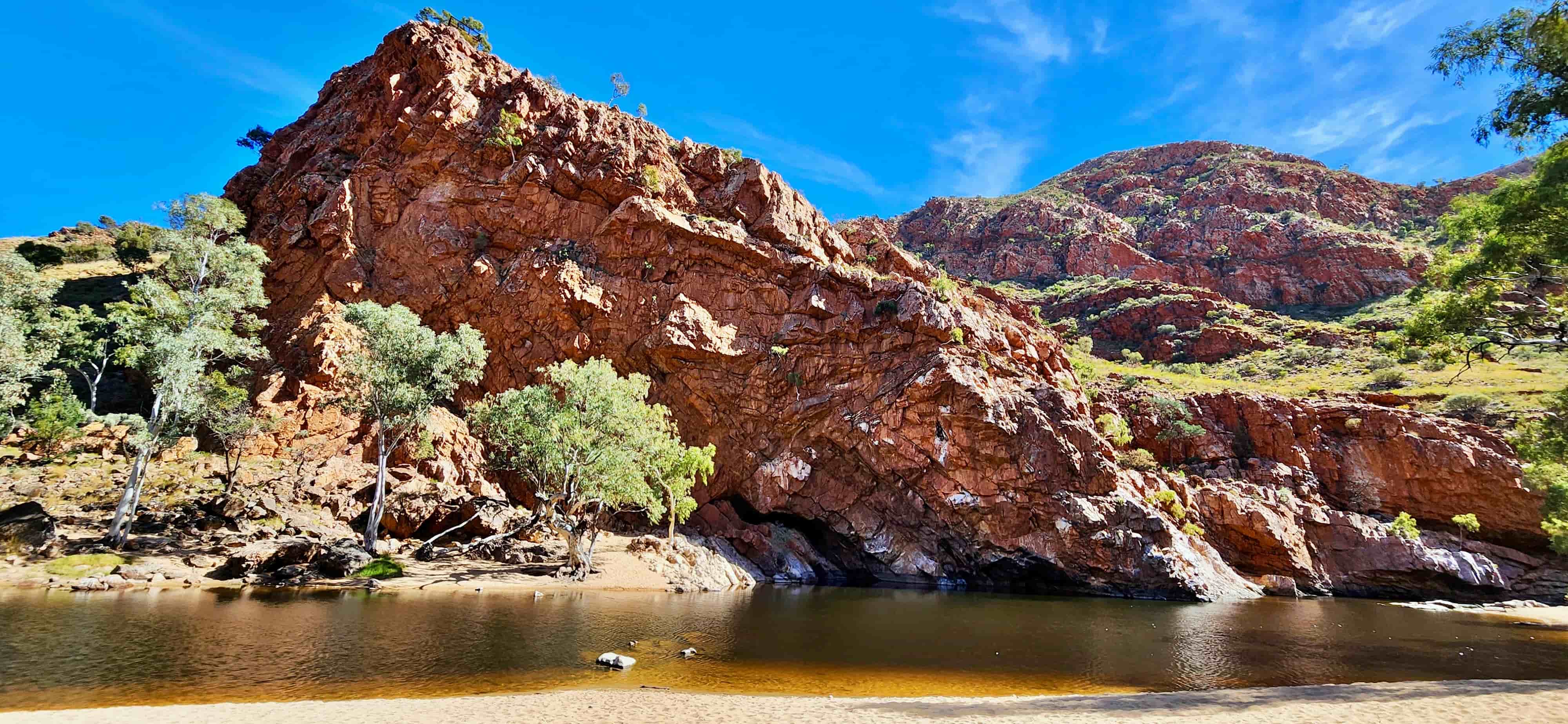
The first stop of the fourth day is Ormiston Gorge, one of the most scenic locations in the West MacDonnell Ranges.
The short 300-metre walk from the carpark to the gorge takes around five minutes one way and is graded as an easy, Level 1 track, making it suitable for visitors of all fitness levels. Framed by towering quartzite walls, the gorge is best known for its permanent waterhole, which is estimated to reach depths of up to 14 metres at its southern end. With its dramatic scenery and easy access, this is a must-see stop for anyone visiting Alice Springs.
Day 6: Stop #2 - Glen Helen Gorge
Next, the journey heads to Glen Helen Gorge, where dramatic cliffs line the Finke River, one of the oldest river systems in the world.
Among the many gorges scattered around Alice Springs and across Central Australia, Glen Helen Gorge is often regarded as one of the best spots for a refreshing swim, thanks to its clear waterhole set beneath towering quartzite cliffs. In full sun, the rock walls are said to glow a vivid red before shifting into deeper, moodier tones later in the day, and floating in the calm water usually offers beautiful views through the chasm towards the surrounding ranges. However, Glen Helen Gorge was closed during our visit last July, which is a timely reminder that access can change due to weather conditions, cultural considerations, or safety concerns. Always check current park updates before visiting and be prepared to adjust your plans if needed!
Day 6: Stop #3 - Tnorala (Gosse Bluff)
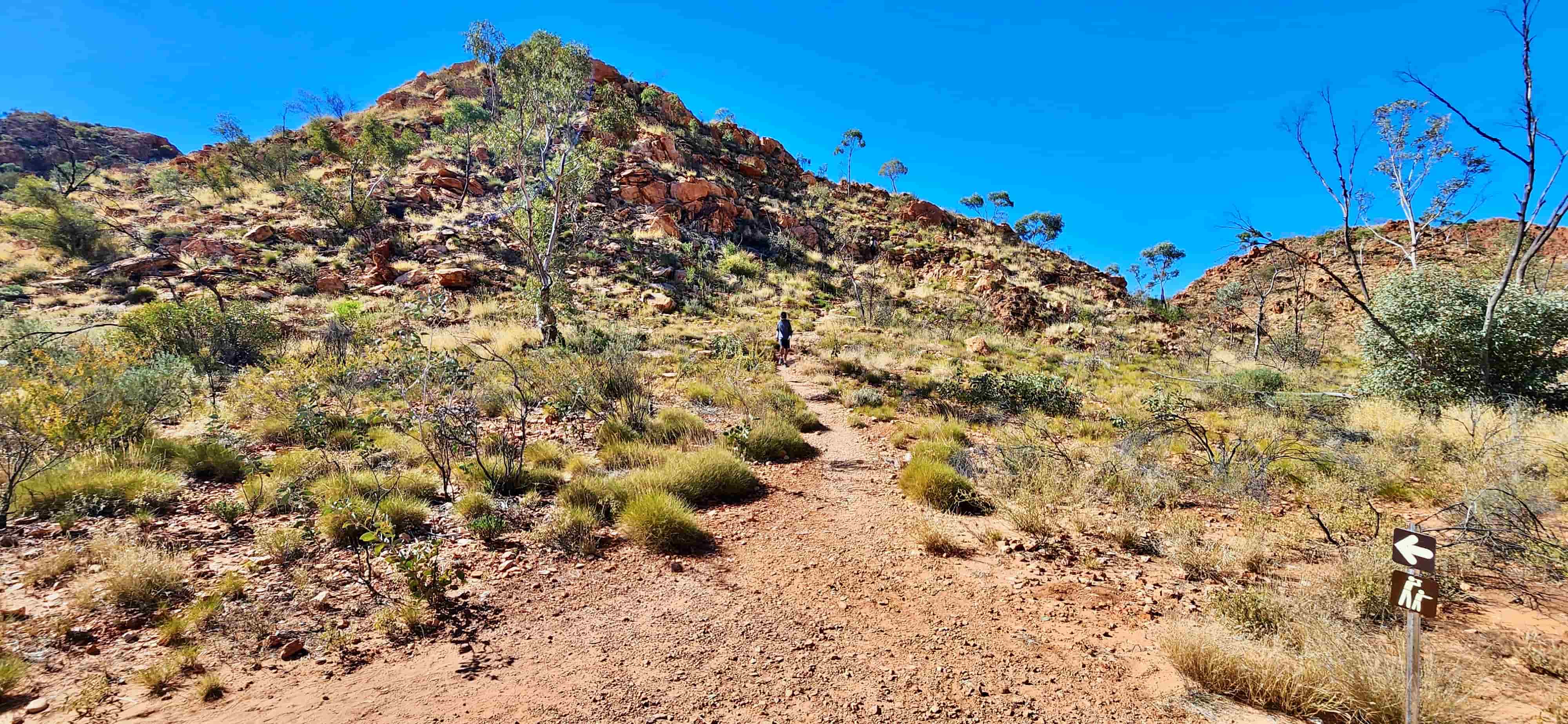
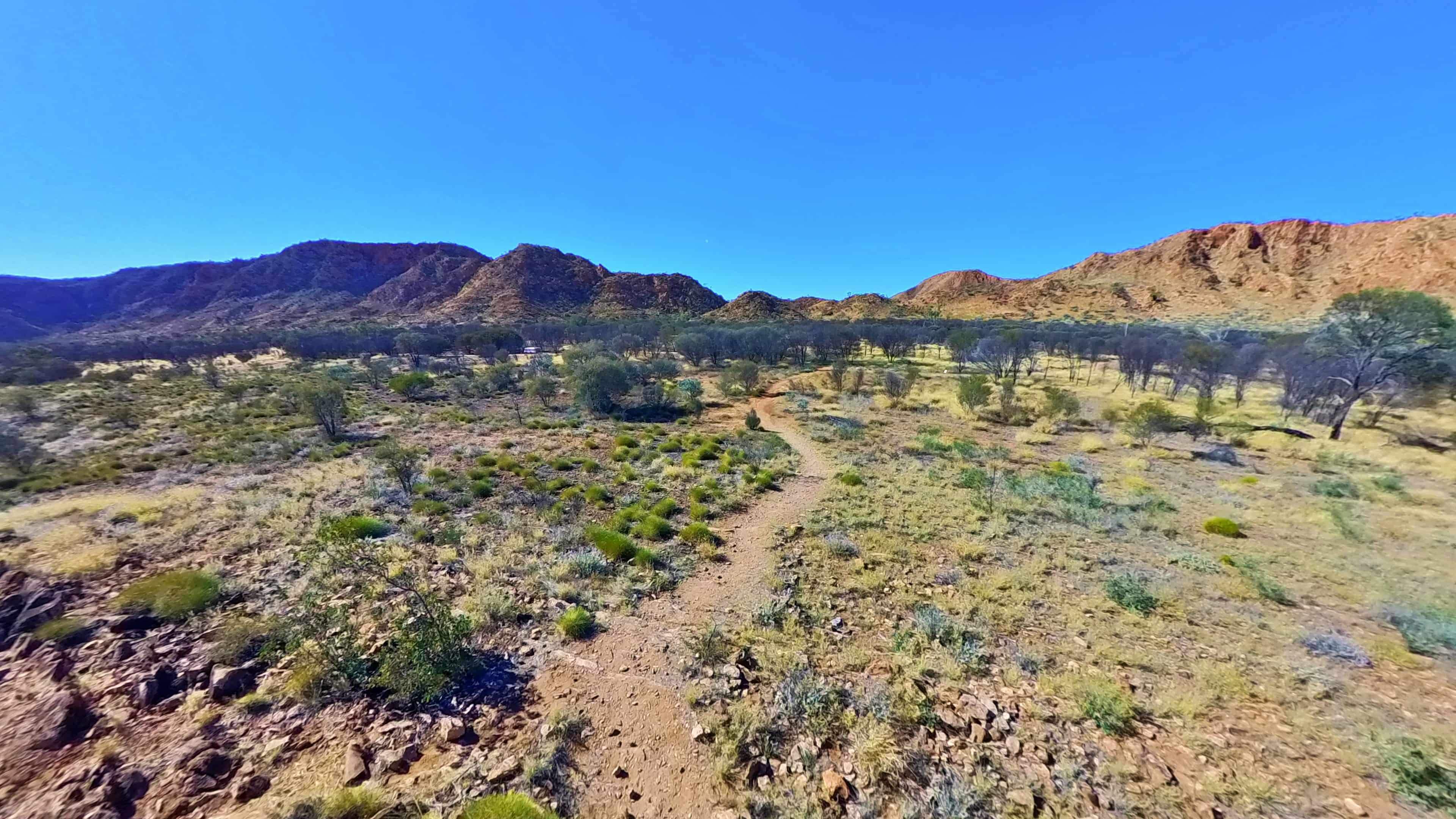
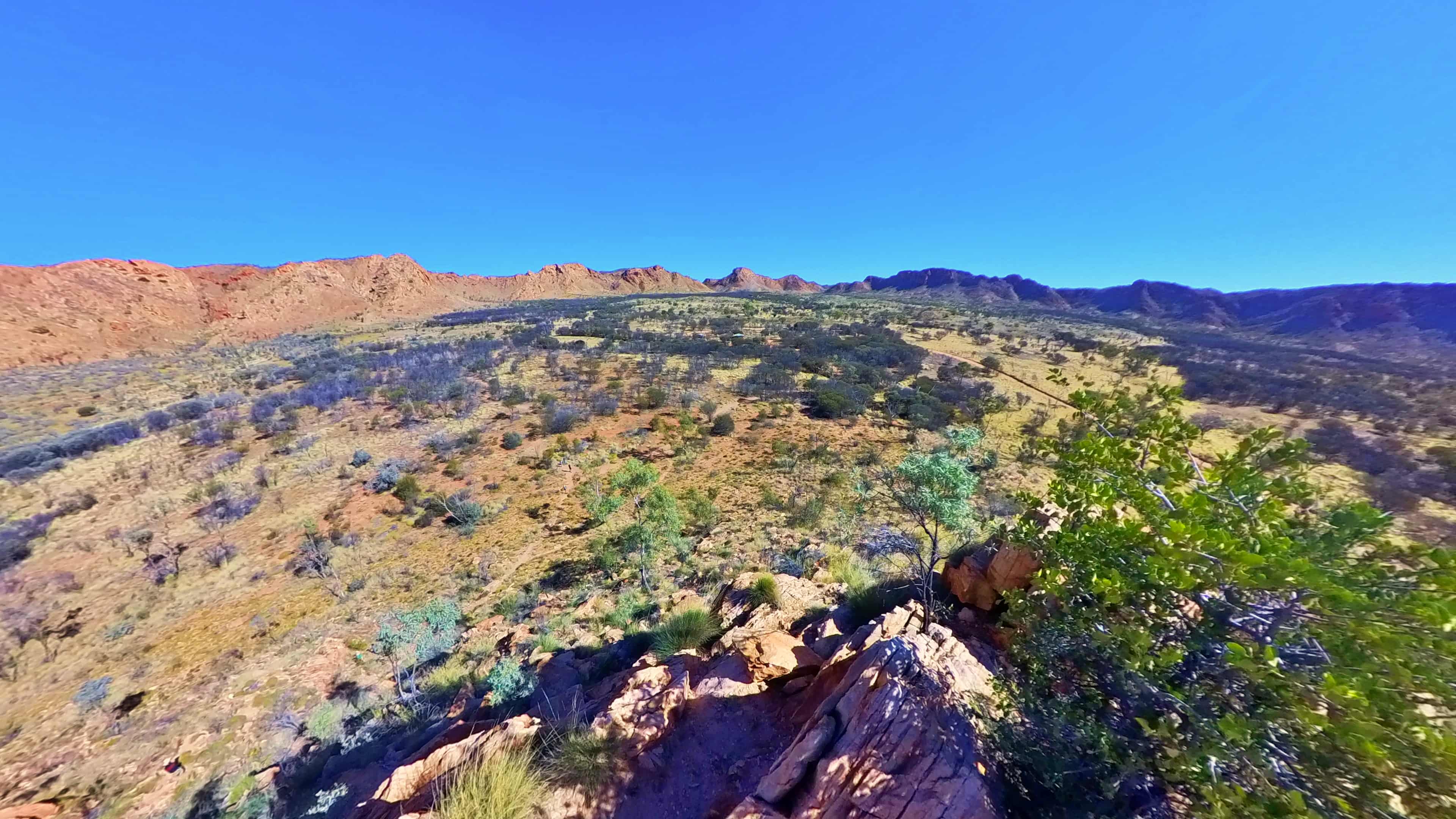
The next stop in the itinerary is Tnorala (Gosse Bluff), a sacred Aboriginal site formed by a massive comet impact millions of years ago. Please note that the road from the Namatjira Road turn-off into Tnorala (Gosse Bluff) Conservation Reserve is unsealed and noticeably rougher than other unsealed roads on this itinerary. In addition to the lack of bitumen, you’ll encounter stretches of soft sand and loose rock chips, so a 4WD is essential for this section. It’s also highly recommended to carry an air compressor, allowing you to safely lower tyre pressure for the drive in and reinflate your tyres before returning to sealed roads.
The easy, Grade 2 Tnorala Loop Walk is around 750 metres long and takes approximately 20 minutes to complete, revealing the crater’s immense scale along the way. It’s a powerful way to conclude a Red Centre adventure, offering a final moment to appreciate the region’s extraordinary natural beauty and deep cultural significance.
Day 6: Stop #4 - Kings Canyon Resort (via The Mereenie Loop)
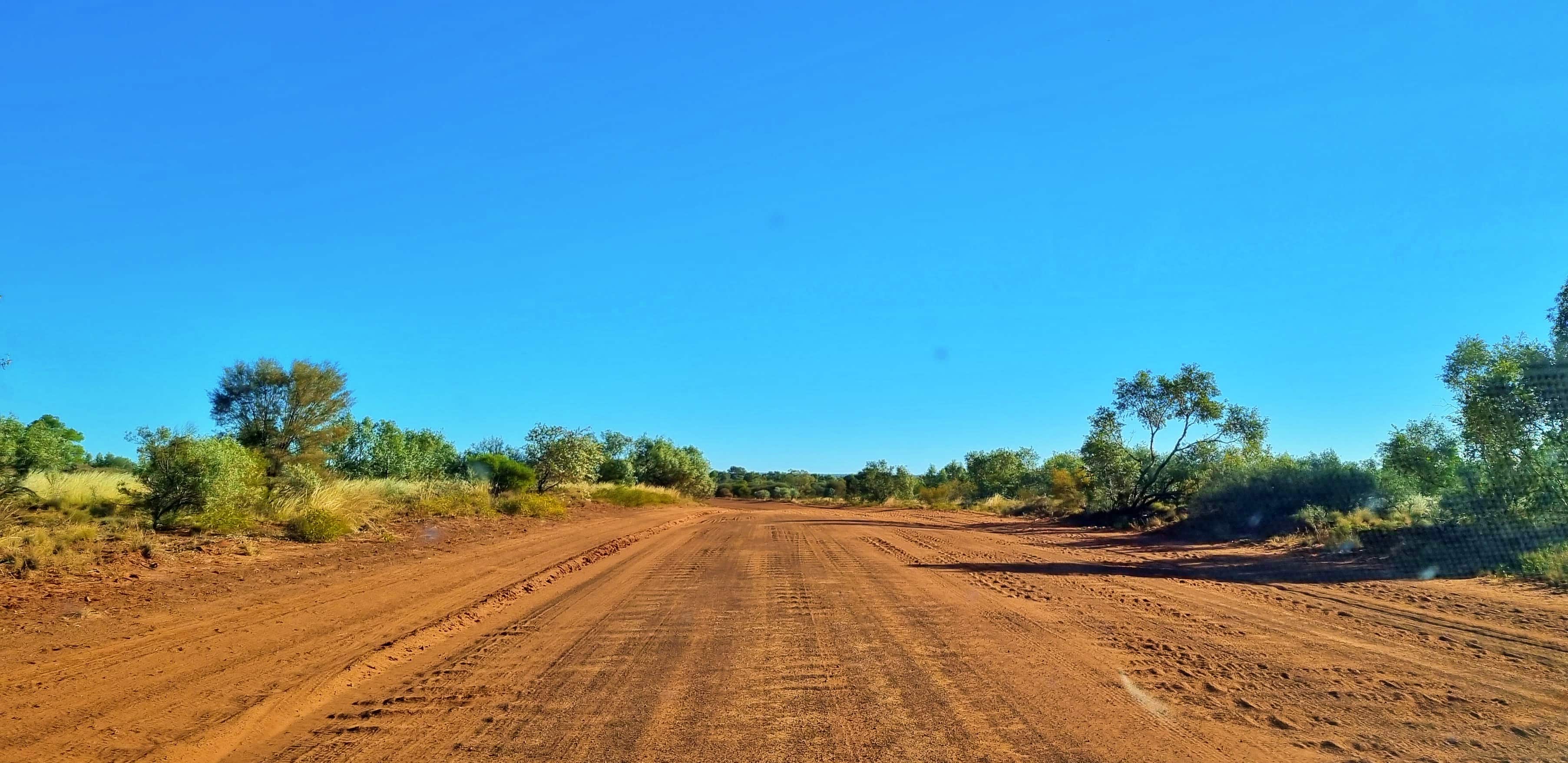
After exploring Tnorala (Gosse Bluff), continue your journey west towards Kings Canyon Resort along the iconic Mereenie Loop Road, a rugged 4WD-friendly section of the Red Centre Way that passes through remote desert country and traditional Aboriginal land. This unsealed track is known for its corrugations, red earth and ever-changing scenery, and it’s one of the most memorable drives in Central Australia!
Important: Be sure to book your Mereenie Loop Permit before setting off, as a valid permit is mandatory to drive this road. At the time of writing, permits cost around $5 per vehicle and are valid for three days from the date of purchase. You can buy the permit in person from the Alice Springs Visitor Information Centre or the Standley Chasm Shop, while you were there in the previous day. If you’re approaching from the Kings Canyon side, permits are also available from Kings Canyon Resort reception or Kings Creek Station reception. For the most up-to-date information, conditions and purchasing options, refer to the official Mereenie Loop Road website.
As you follow the loop, keep your eyes open for wild camels and brumbies grazing or wandering near the roadside — sightings of these free-roaming animals against the vast outback backdrop are a unique part of the experience. We were able to spot wild camels on our drive!
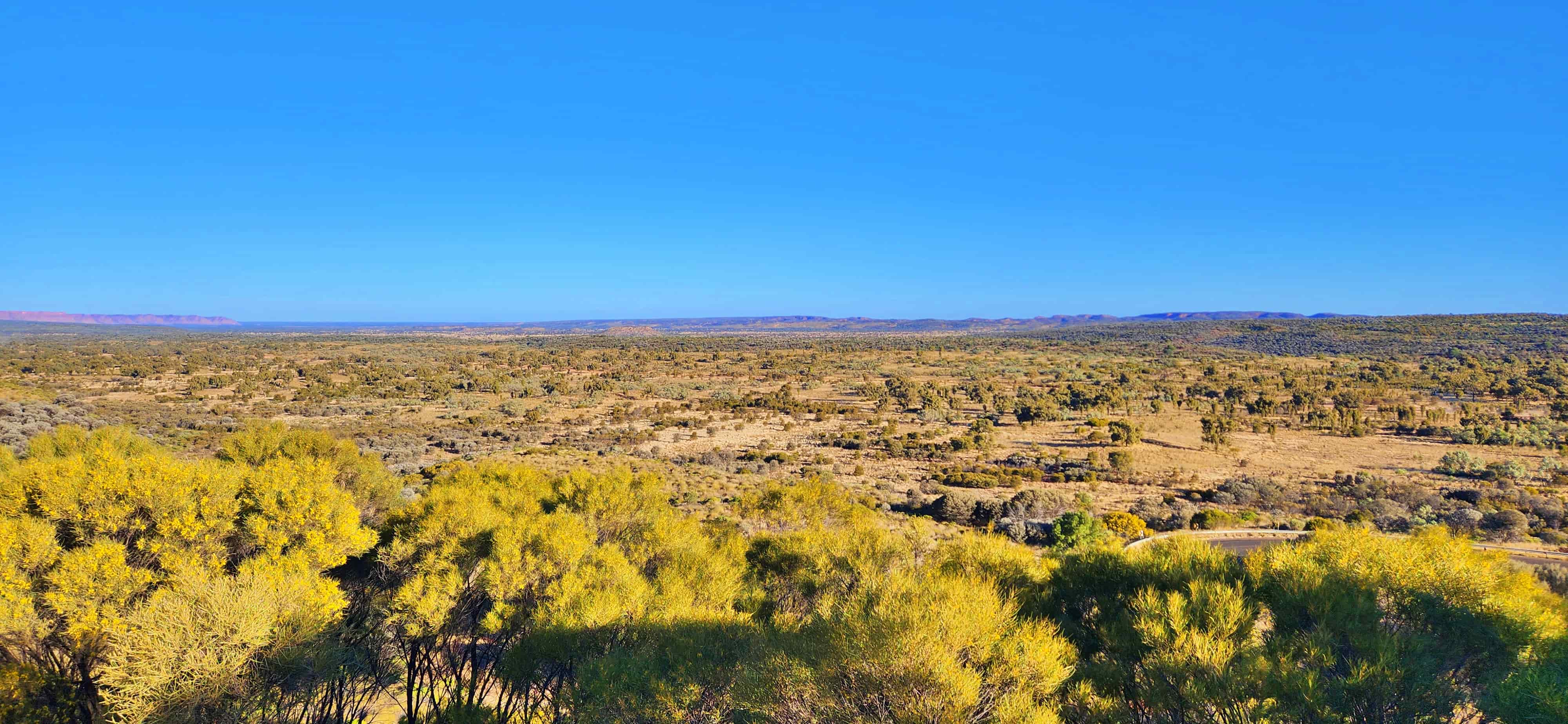
One of the standout stops along the way is Ginty’s Lookout, where you can pull over to enjoy panoramic views over the surrounding ranges and dunes before descending towards Kings Canyon Resort.
Day 6: Last Stop - Sunset & Light Towers by Night experience at Luritja Lookout
From the Kings Canyon Resort carpark, take the short and easy walk to the Luritja Sunset Viewing Platform. This elevated lookout offers uninterrupted views across the desert plains, with the changing light transforming the surrounding ranges and escarpments into deep shades of red, orange and purple as the sun dips below the horizon.
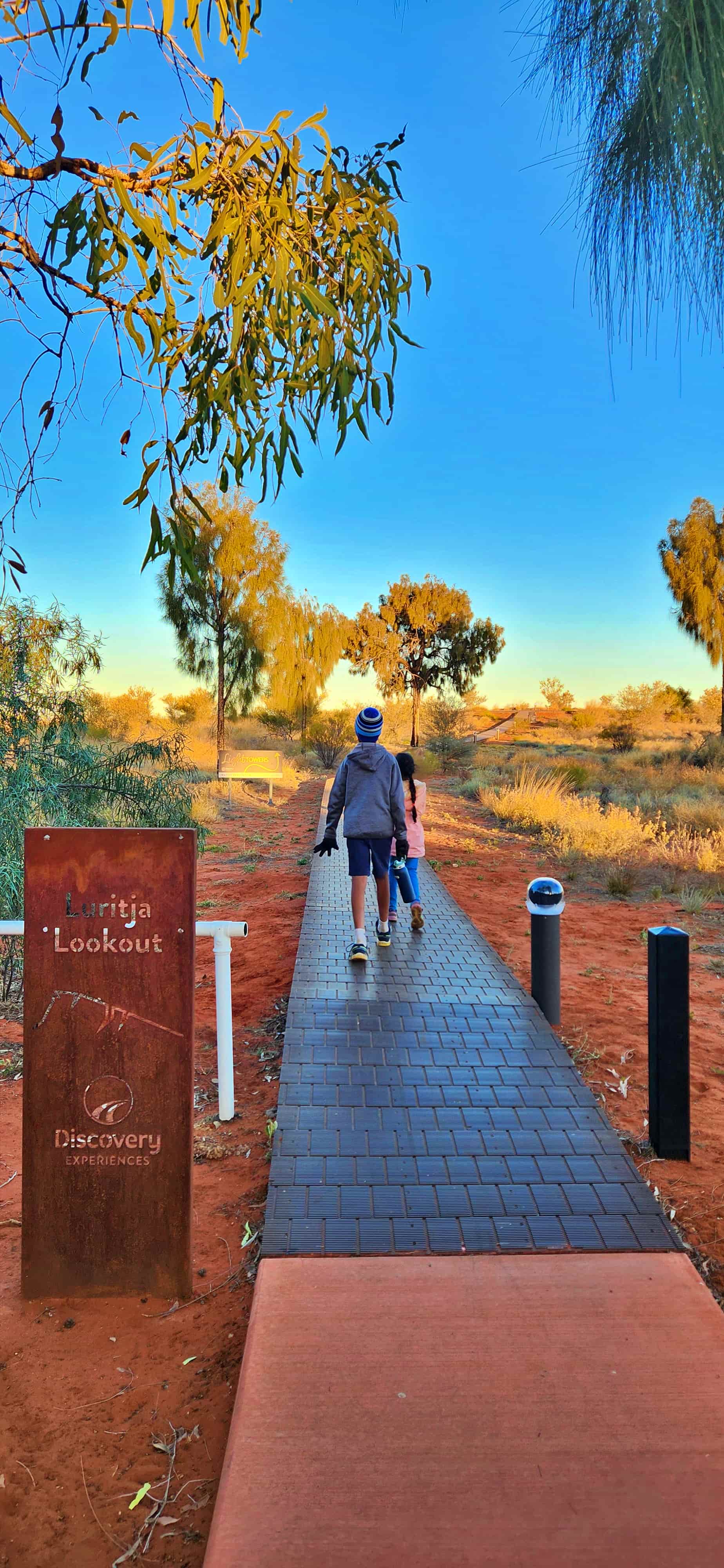
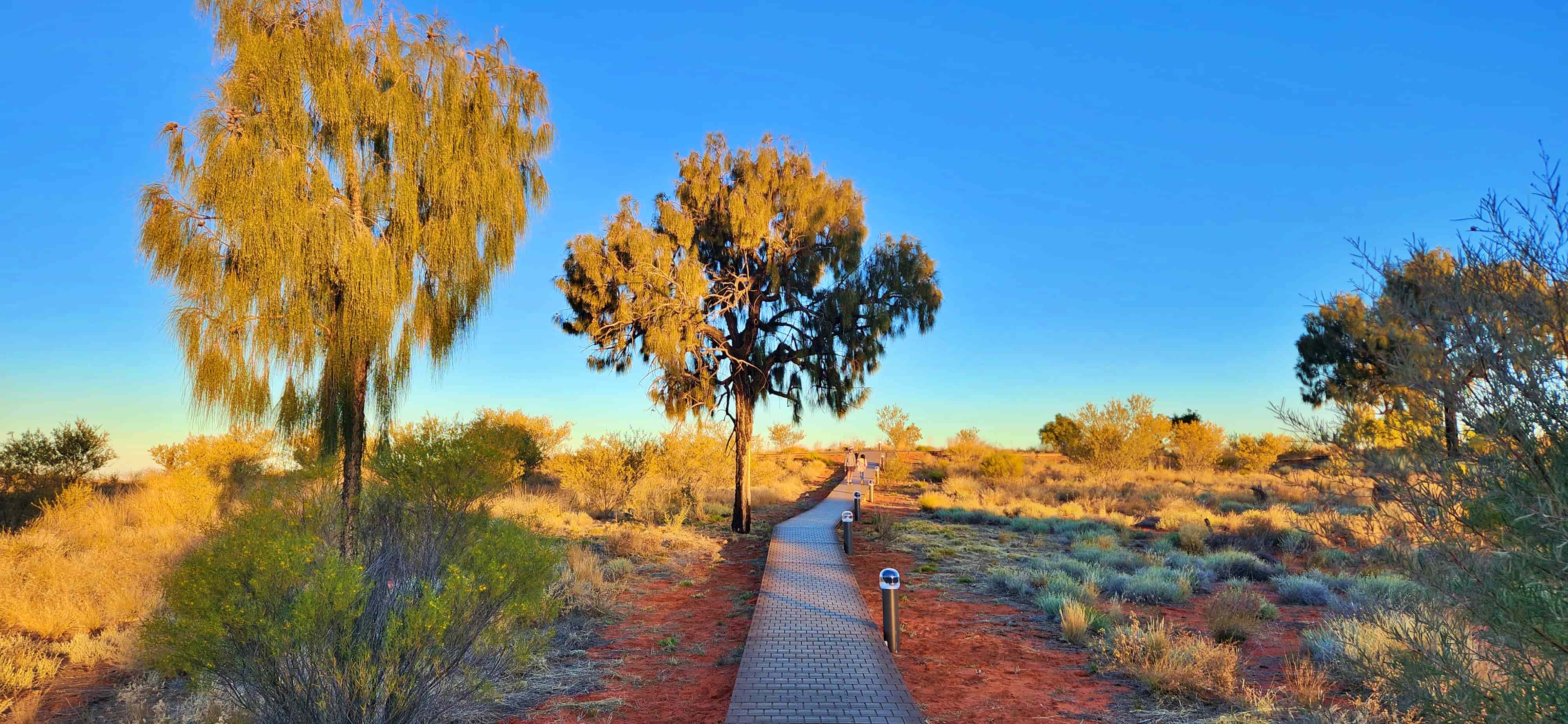
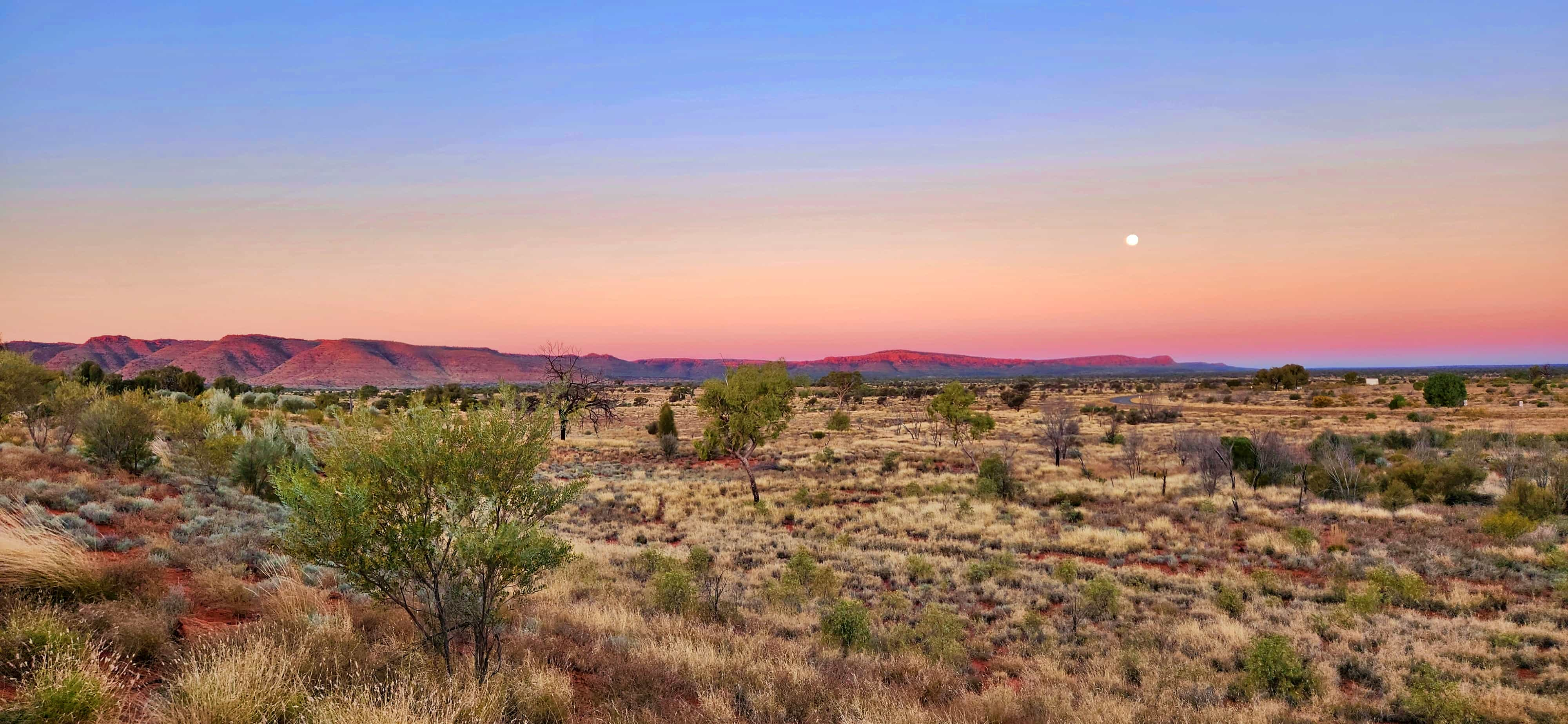
Once the sun has set, remain near the platform for the Light Towers by Night experience. As darkness falls, illuminated light sculptures rise from the desert floor, creating a striking contrast against the night sky. The installation is both atmospheric and immersive, offering a unique way to experience the vastness and stillness of the outback after dark. After the evening’s experiences, head to your accommodation and check in for the night. With an early start ahead for exploring the canyon, enjoy a well-earned night’s sleep surrounded by the quiet of the desert.
Day 7: Stop #1 - Kings Canyon Rim Walk
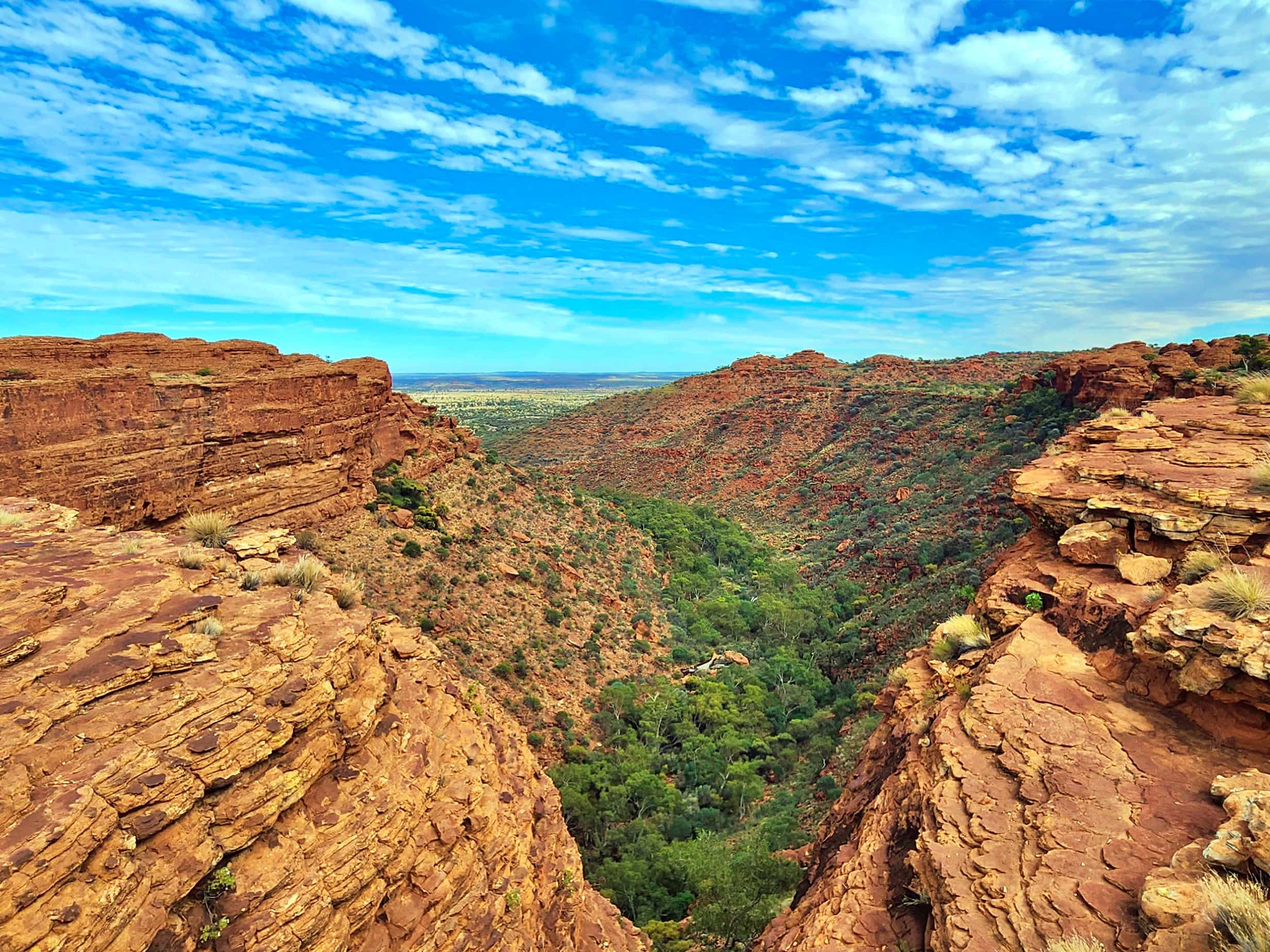
Day 7 begins early with the Kings Canyon Rim Walk, one of Central Australia’s most rewarding and iconic hikes. Widely regarded as one of the most breathtaking walks in Australia, this challenging circuit is a defining Red Centre experience that showcases the scale and raw beauty of the outback. Located within Watarrka National Park, the trail starts with a steep climb to the canyon rim before settling into a spectacular loop that traces the edge of sheer sandstone cliffs. From the top, sweeping views open up across the canyon floor far below, ancient rock formations, and pockets of surprisingly lush vegetation, making every step along the rim both dramatic and deeply memorable.
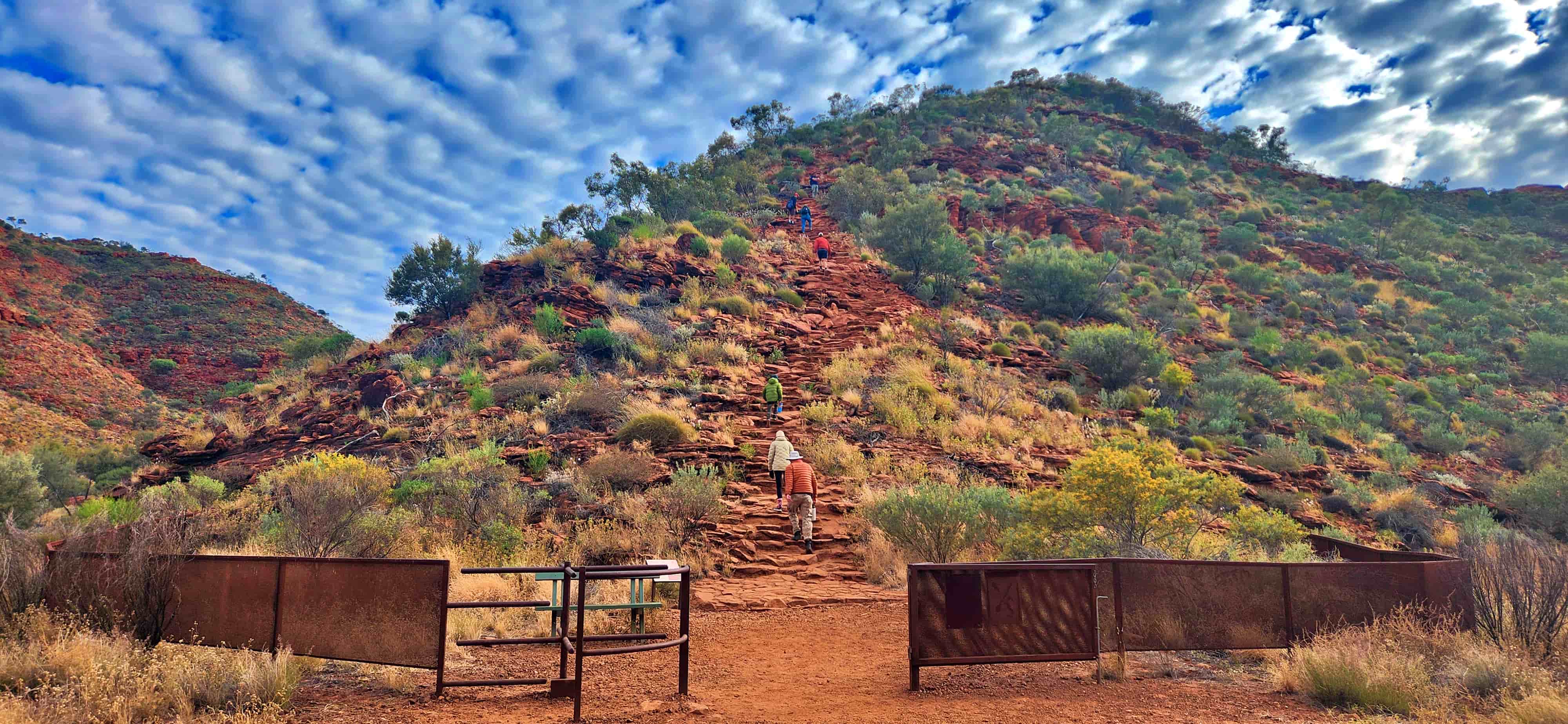
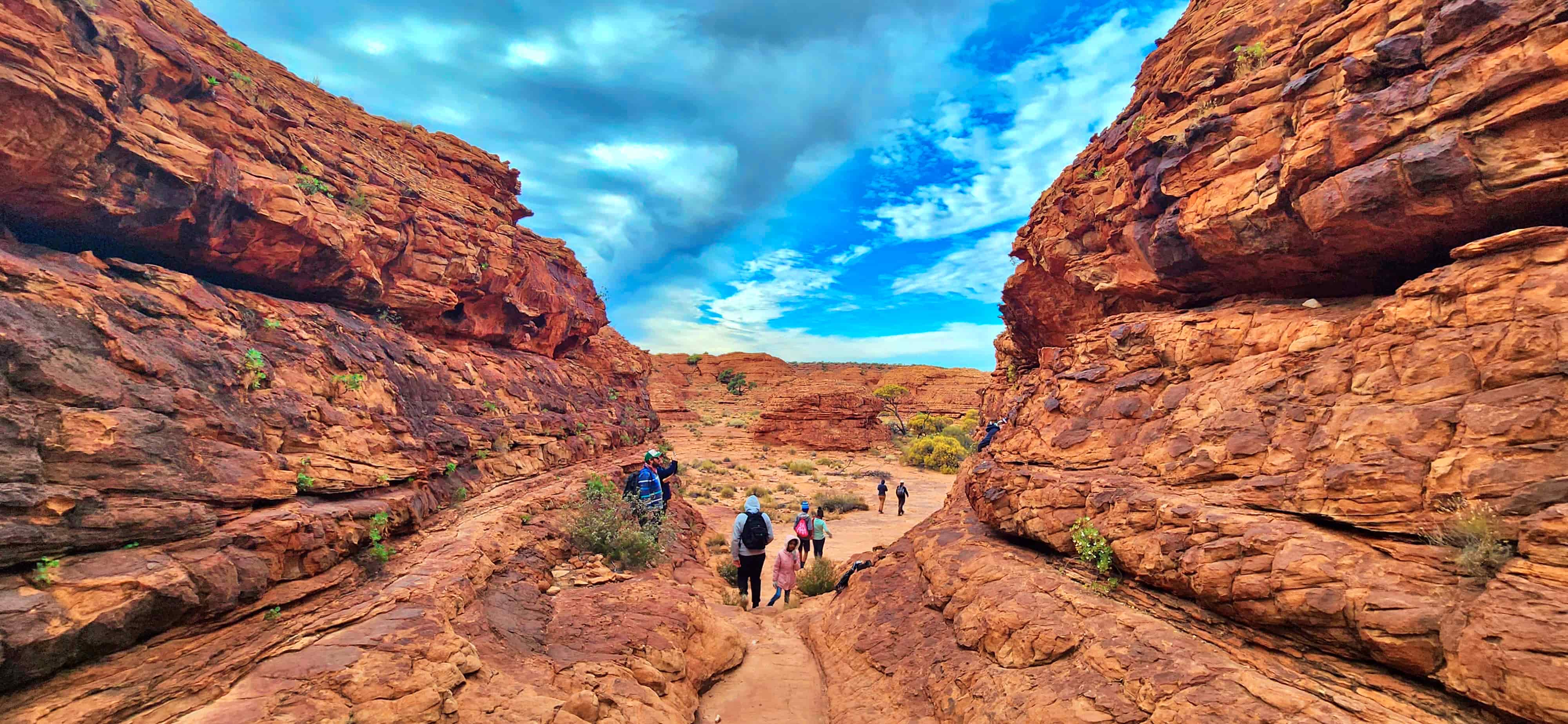
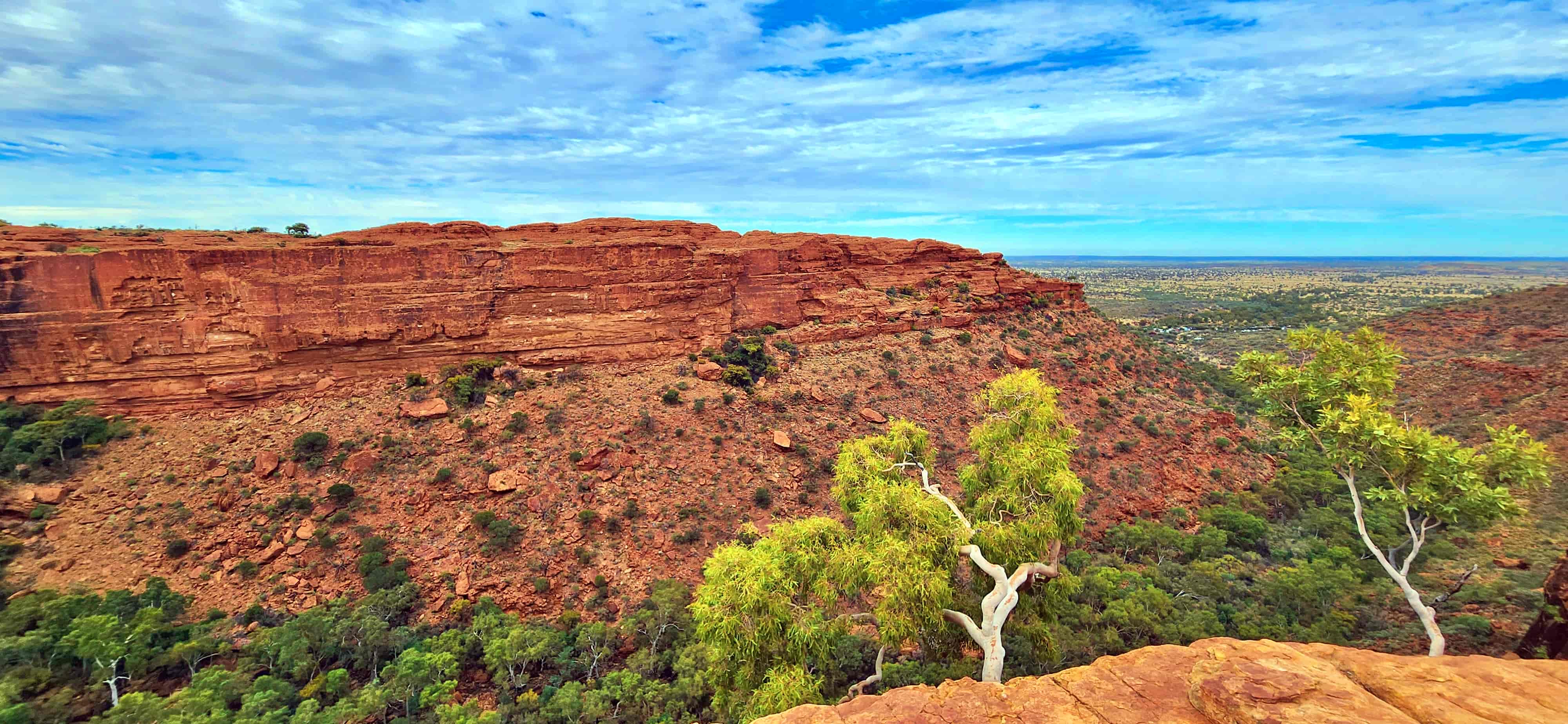
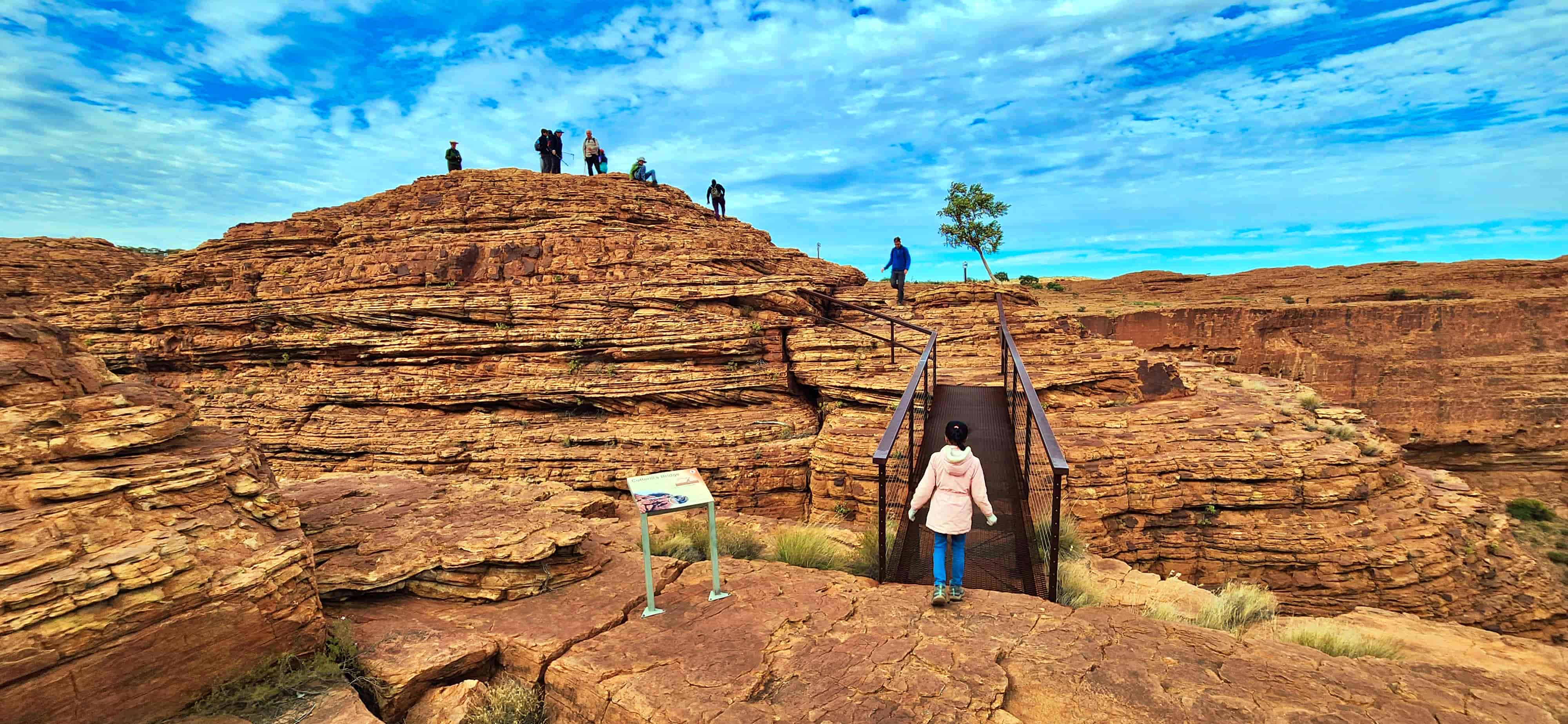
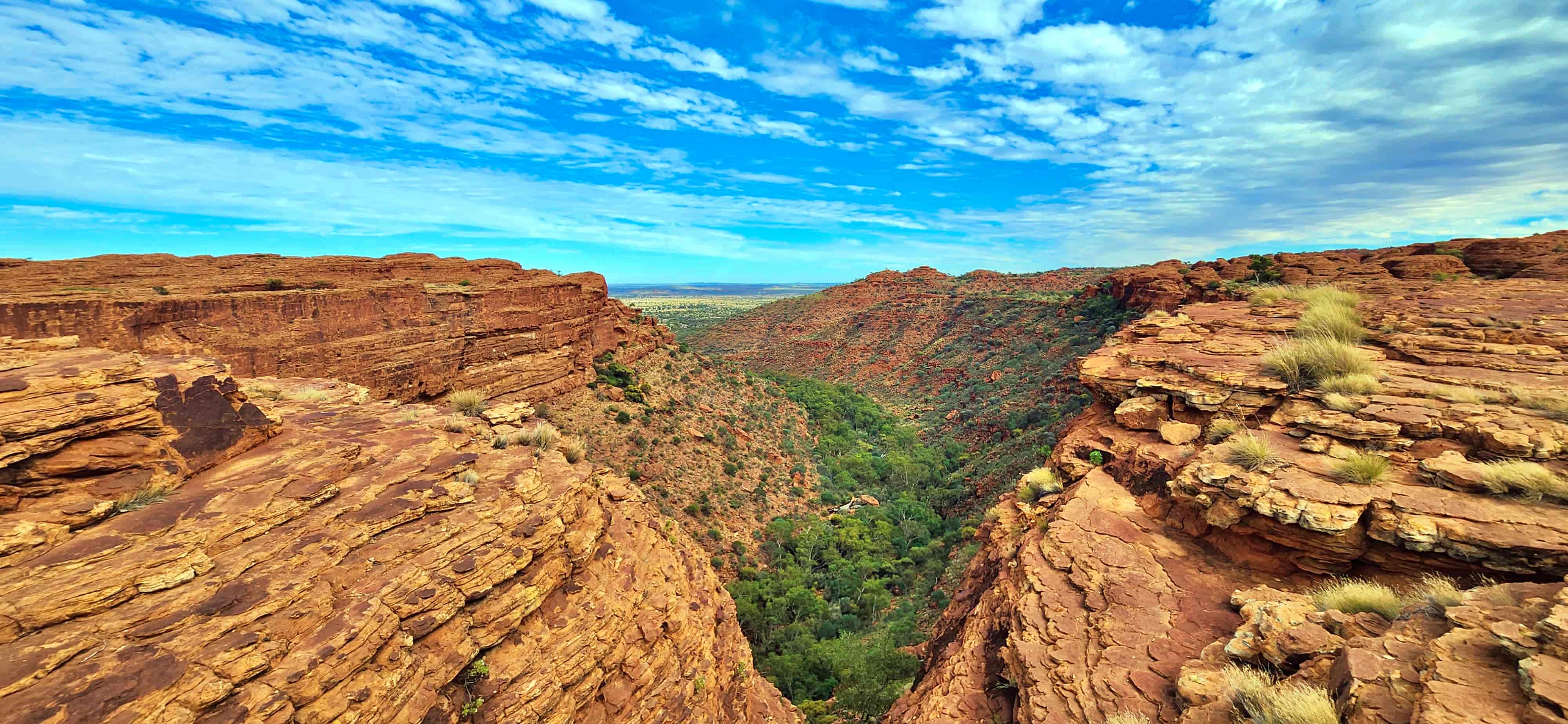
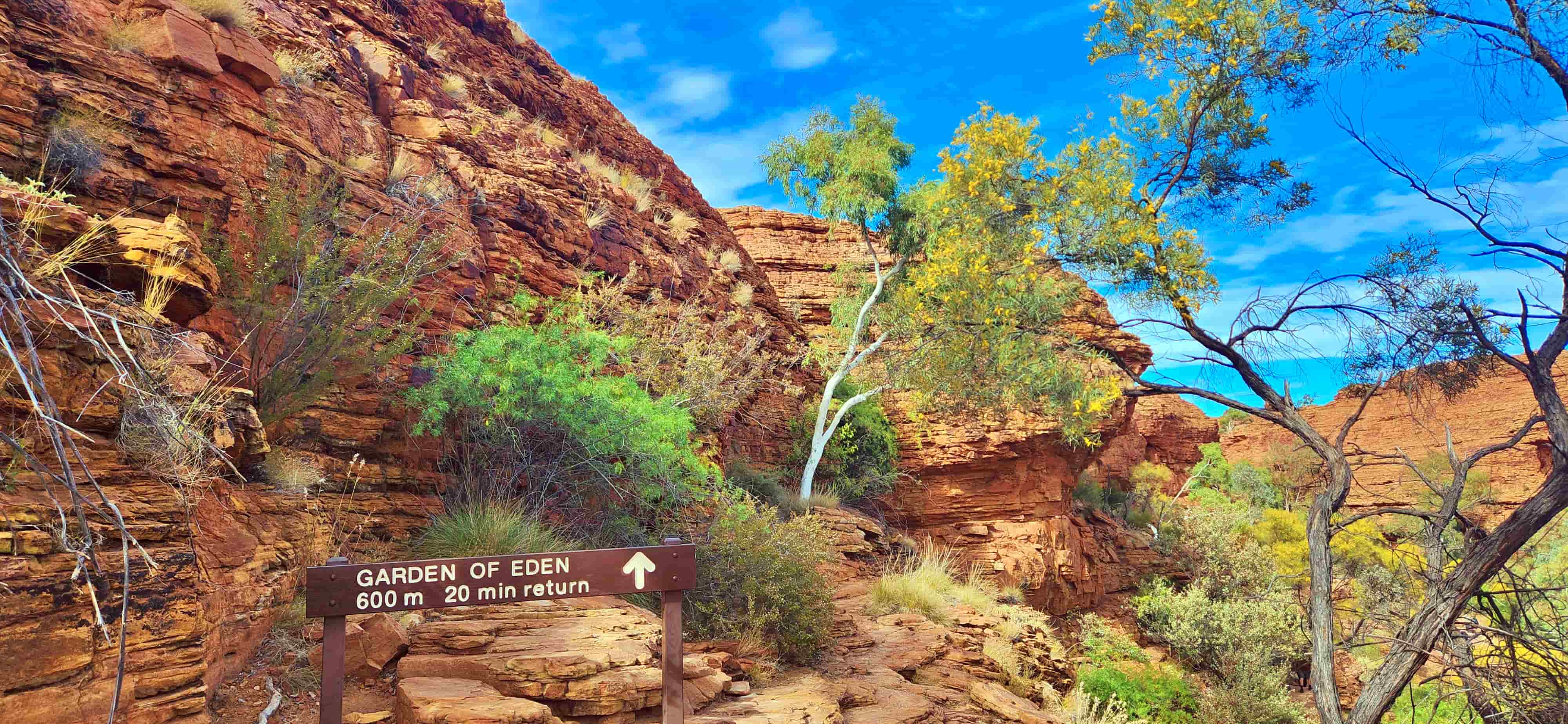
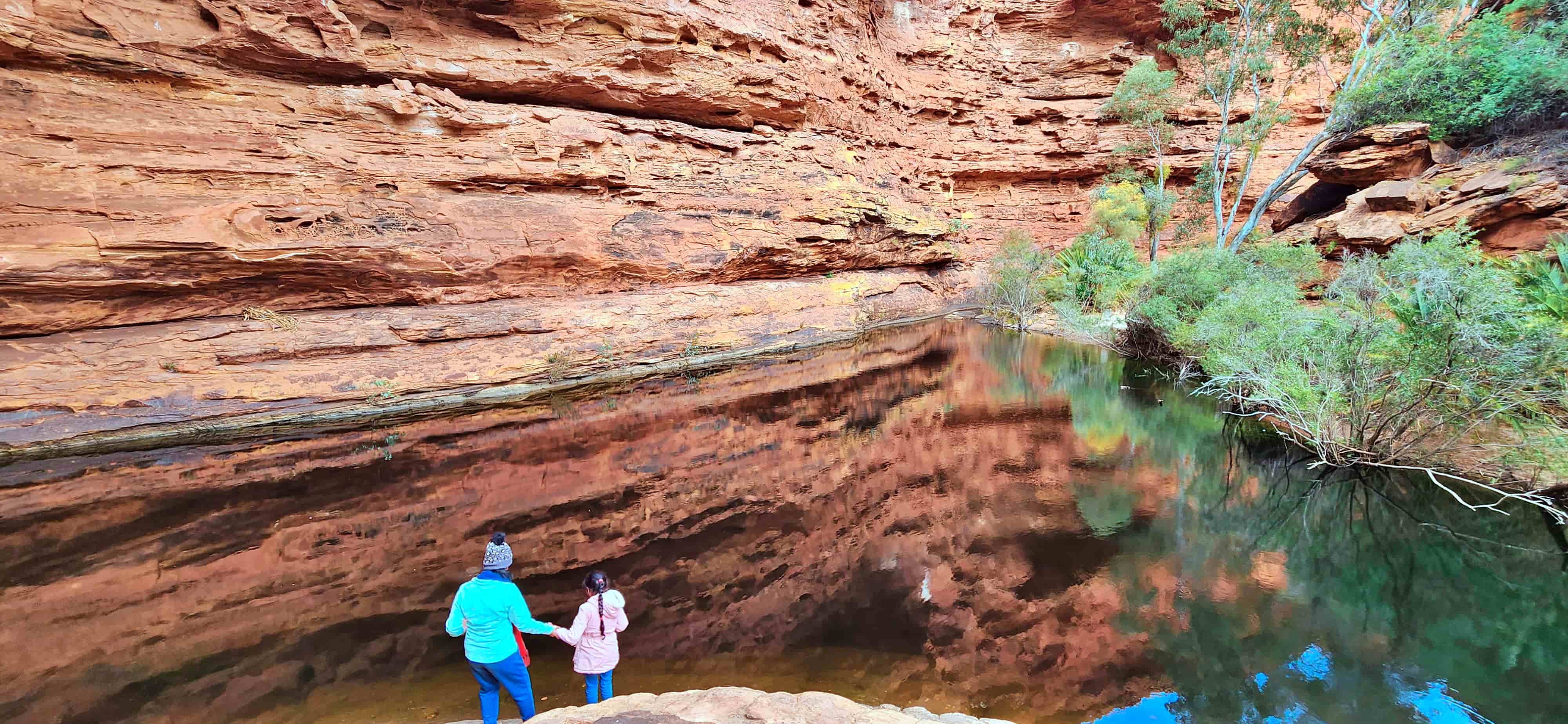
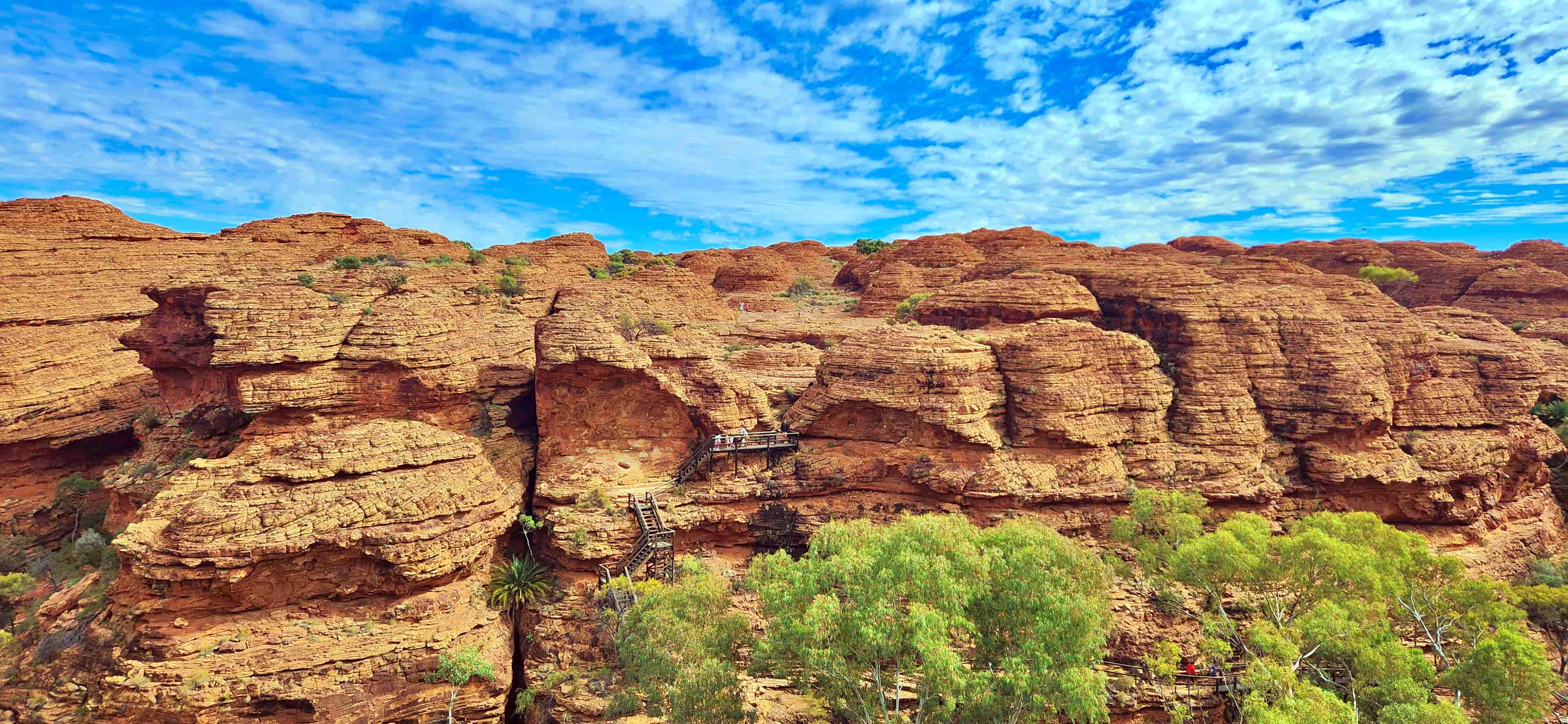
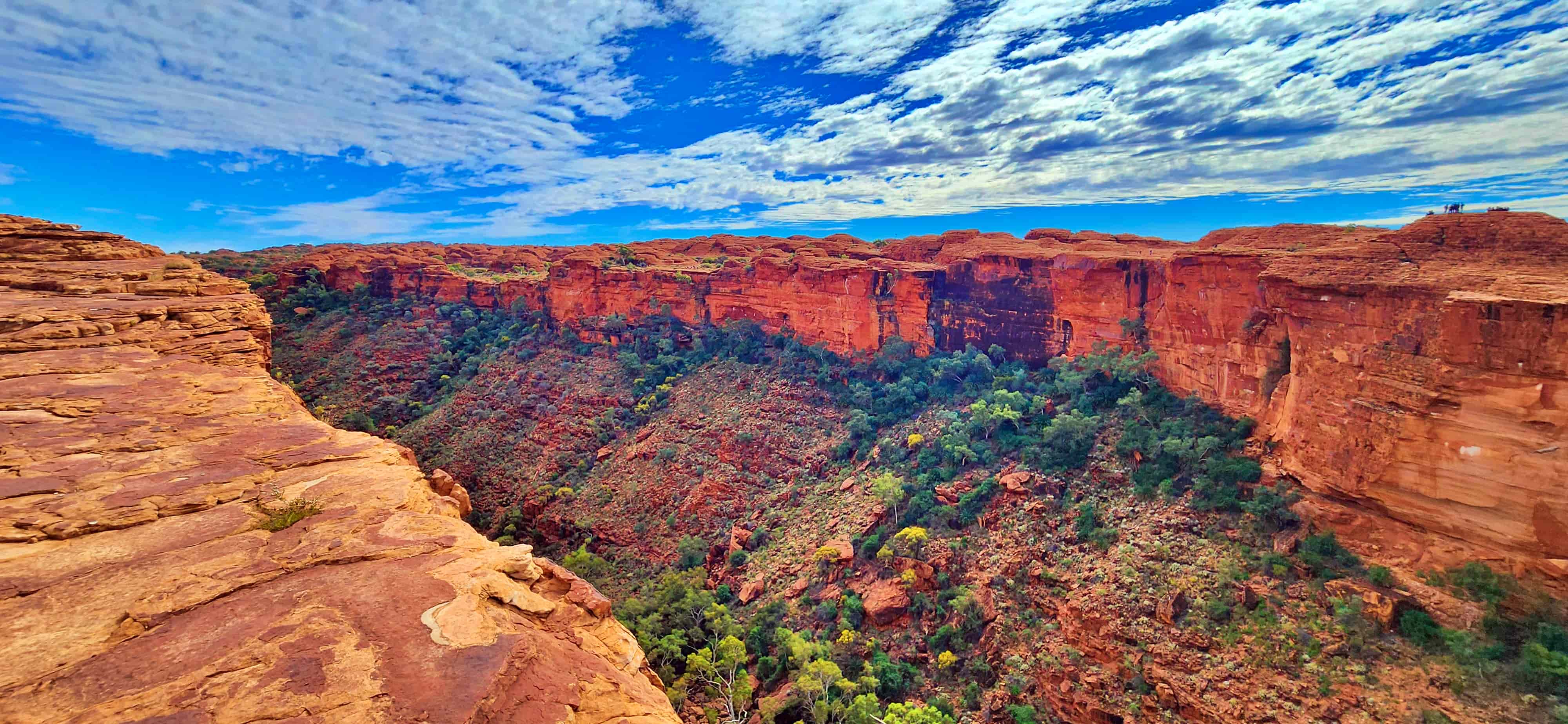
👉 For a complete walkthrough of the trail including Heart Attack Hill, Garden of Eden and key viewpoints, read our full guide:
Day 7: Last Stop - Uluru Arrival & Sunset
After completing the walk, begin the scenic drive back towards Uluru and check into your accommodation at Ayers Rock Resort.
In the evening, make your way to the Uluru Sunset Viewing Area.
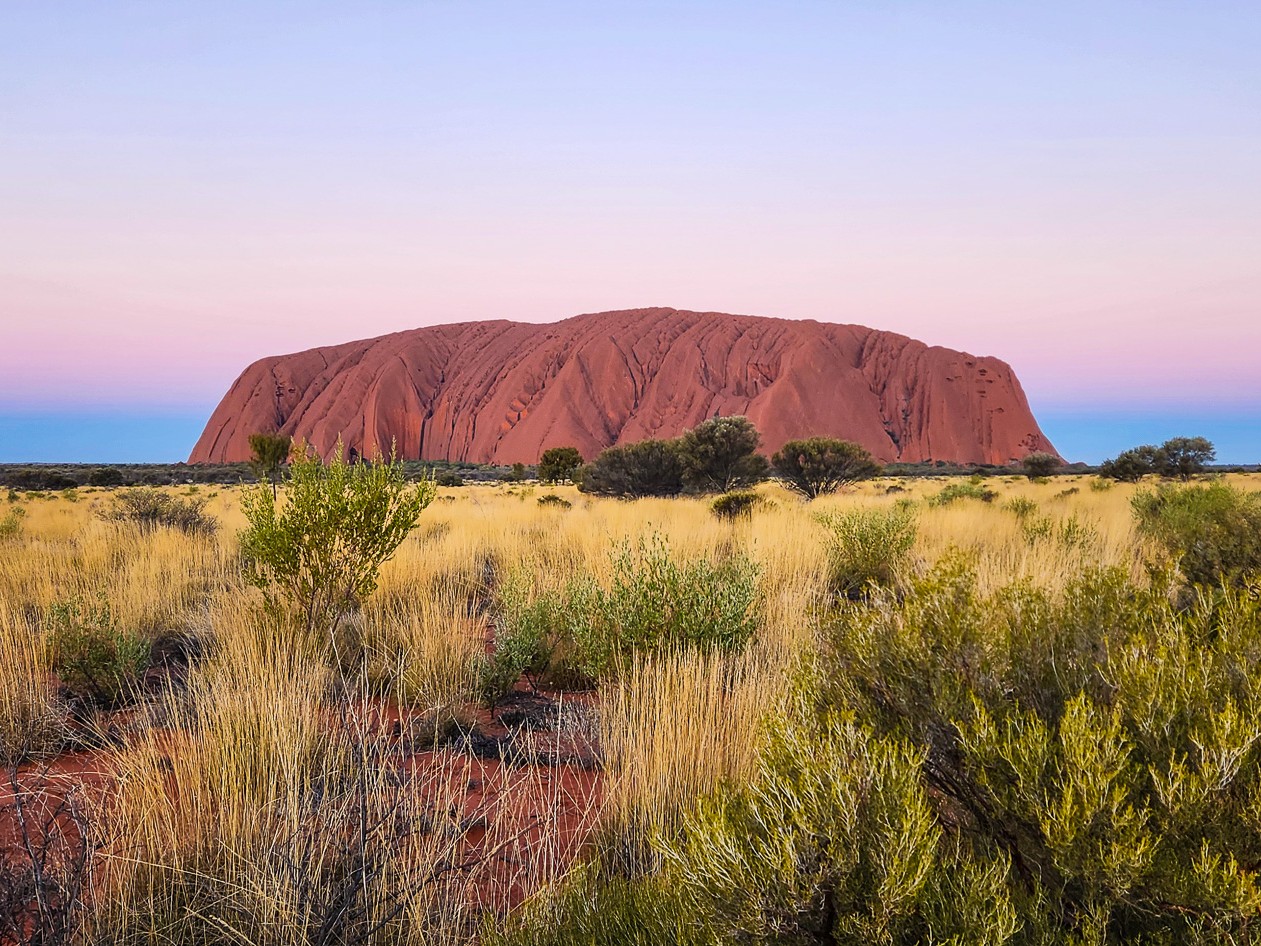
This is one of the most iconic sunset experiences in Australia. As the sun begins to dip below the horizon, the surface of Uluru transforms through shades of ochre, burnt orange, and deep crimson. Spend some time soaking in the moment as the desert quiets down and the massive sandstone monolith glows against the fading light.
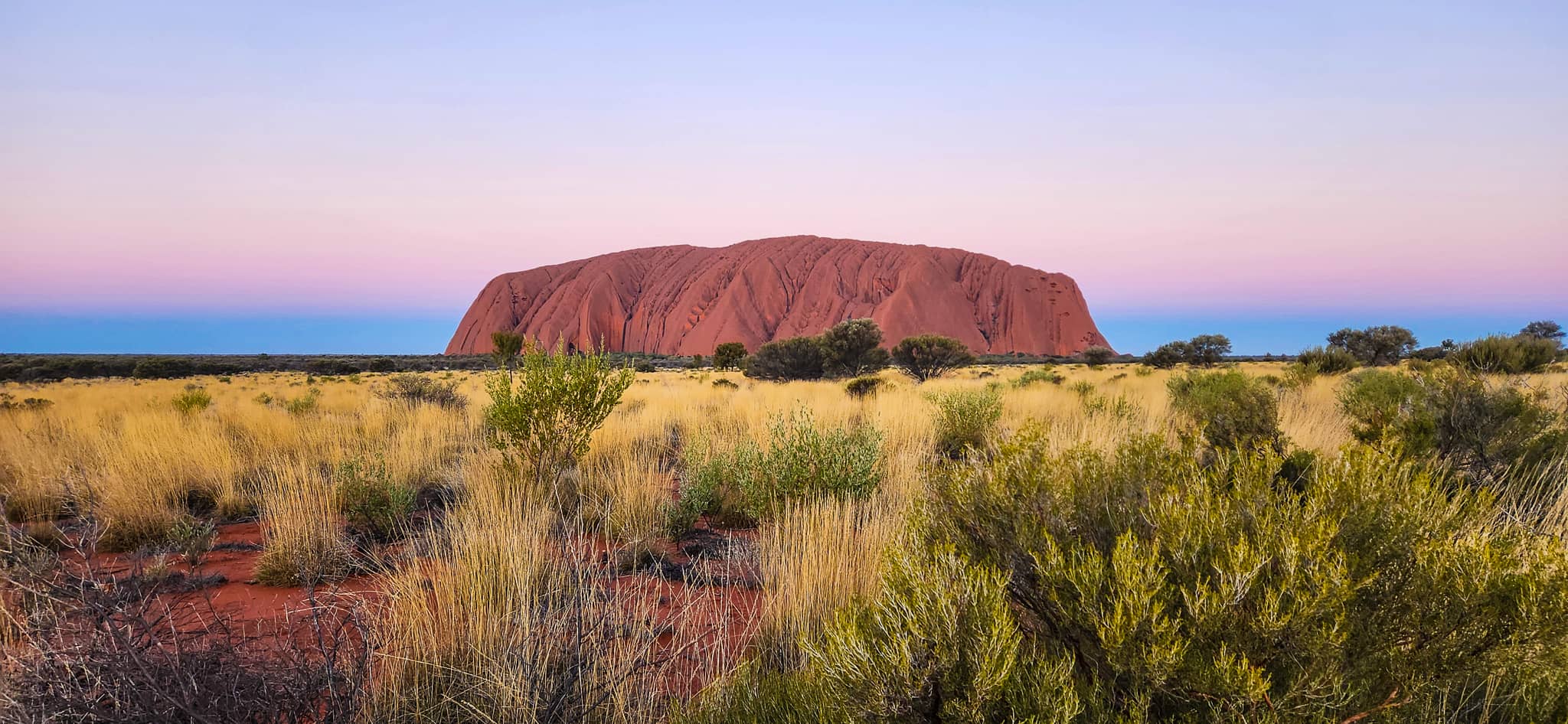
After sunset, return to your accommodation at Yulara for dinner and a well-earned rest before the adventures ahead.
Day 8: Exploring Kata Tjuta
Today is dedicated to exploring the spectacular domes of Kata Tjuta, located about 45 minutes west of Uluru. Begin the morning by heading to the Kata Tjuta Dune Viewing Area.
This elevated lookout offers one of the best panoramic views of the massive domes rising from the desert plains — a perfect photo opportunity before continuing deeper into the area to experience them up close.
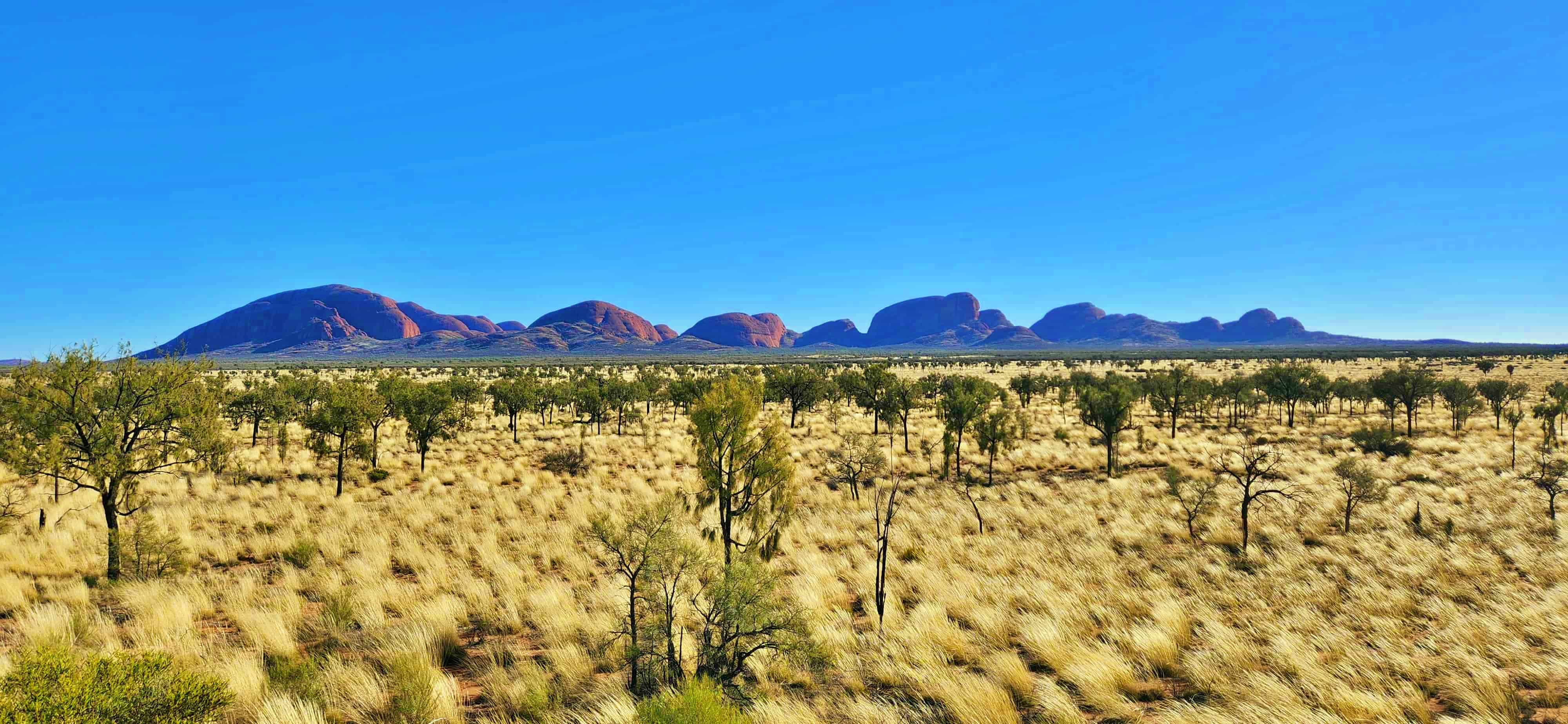
From here, continue to the Valley of the Winds Walk carpark and prepare for one of the most rewarding walks in Central Australia.
Valley of the Winds Walk
This 7.4 km circuit walk takes you deep into the heart of the Kata Tjuta formations, weaving between massive domes of conglomerate rock shaped by millions of years of erosion. The trail is Grade 4, meaning sections can be steep, rocky, and uneven. However, the effort is rewarded with breathtaking views across the desert landscape. The two main viewpoints — Karu Lookout and Karingana Lookout — offer dramatic perspectives of the valley corridors and the surrounding domes. Allow around four hours to complete the full circuit and bring a packed lunch, which can be enjoyed at one of the scenic rest areas along the track.
👉 For a complete breakdown of the walk including Karu Lookout, Karingana Lookout, full circuit details and safety tips, read our full guide:
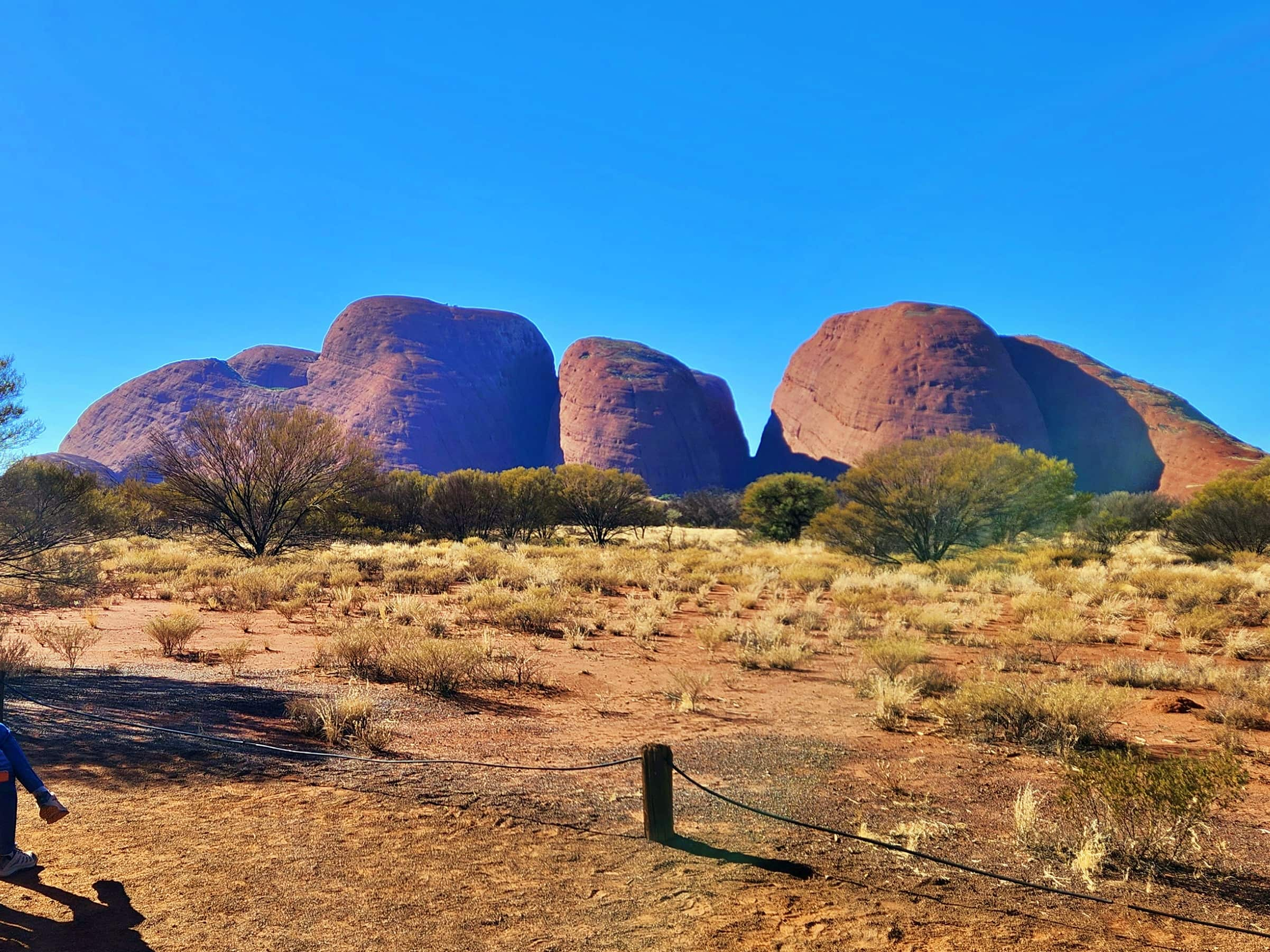
Note: We chose not to take any photographs during the Valley of the Winds walk out of respect for the wishes of the Traditional Custodians and the cultural significance of this area. While this means we cannot visually showcase the domes from within the walk itself, we still felt it was important to share this guide so visitors can understand what the experience involves and appreciate the landscape in a meaningful and informed way. By describing the journey rather than capturing it on camera, we hope to both honour cultural protocols and help others prepare for this remarkable walk.
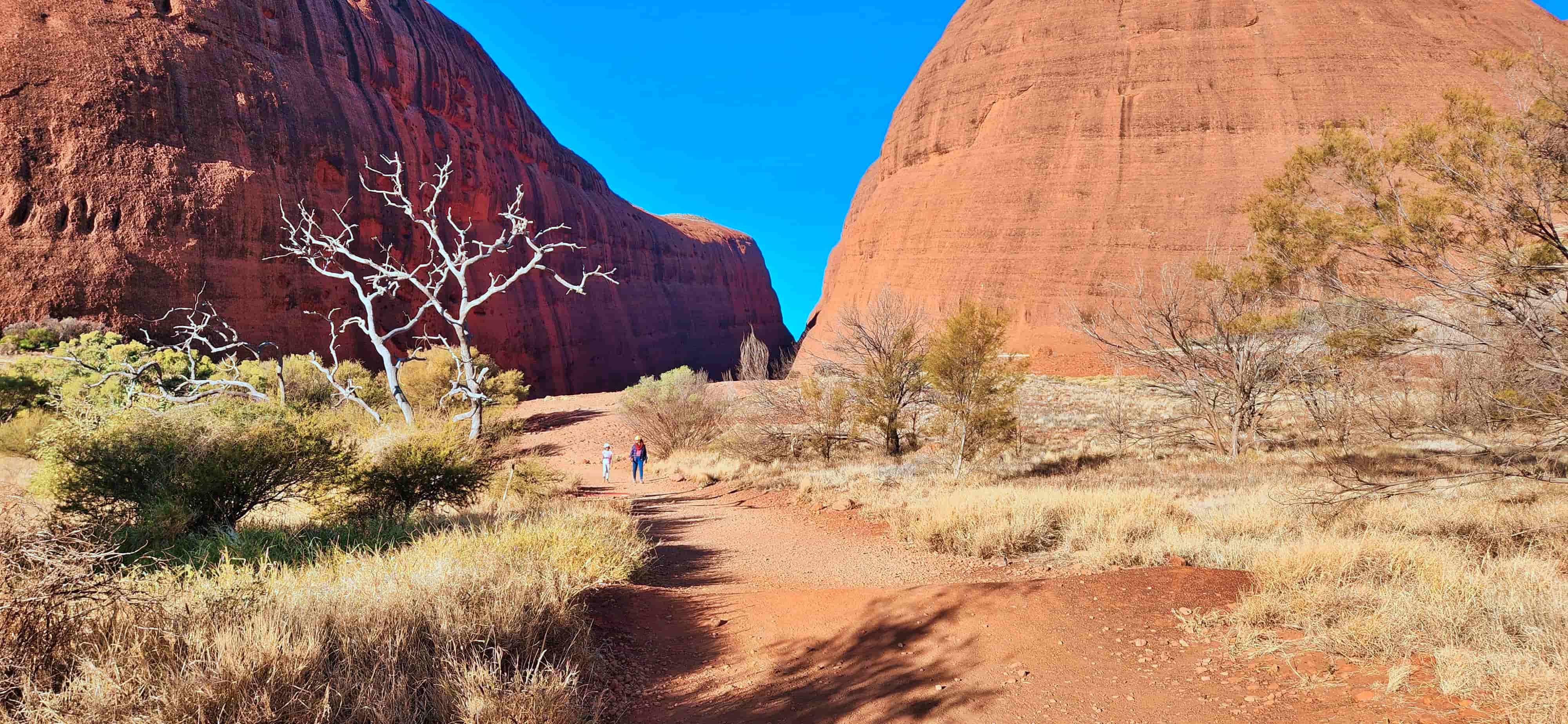
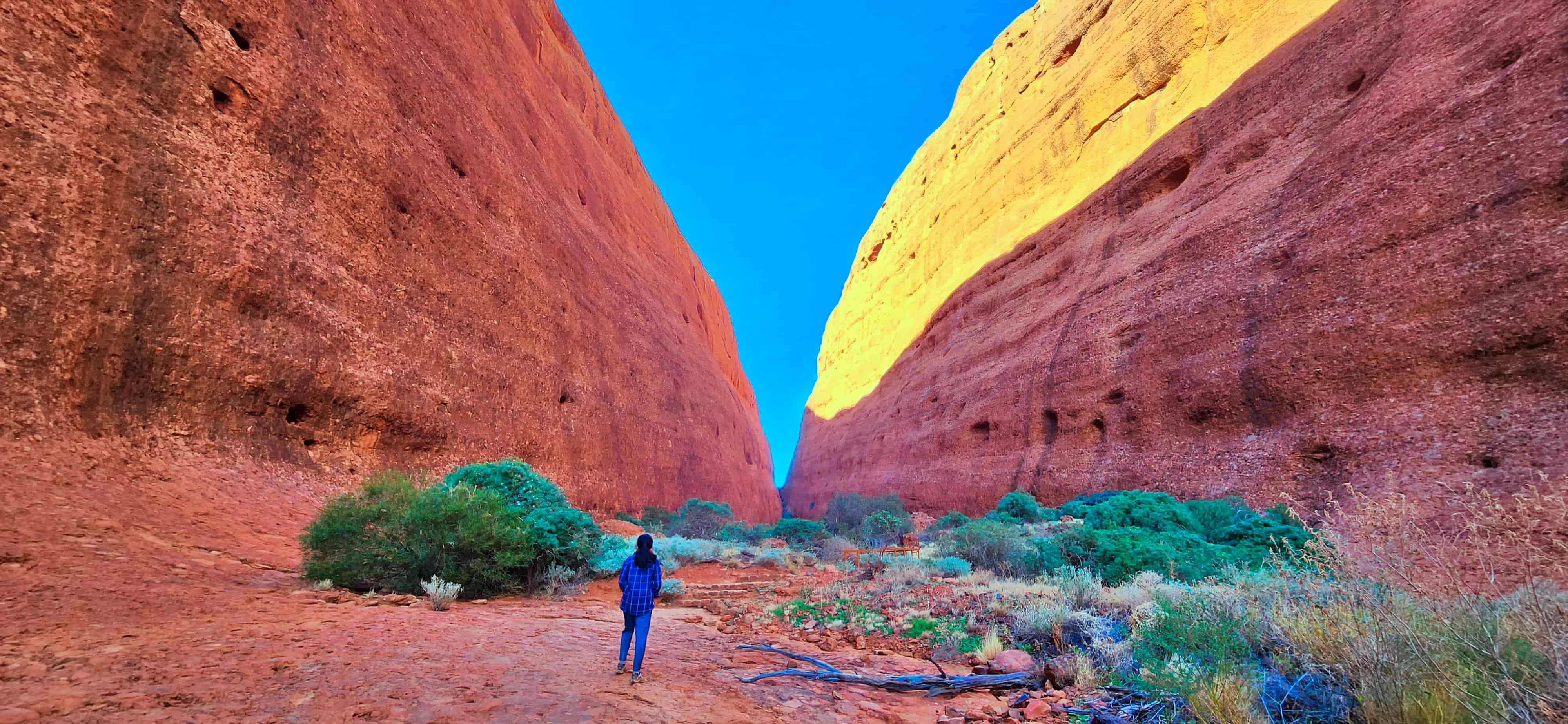
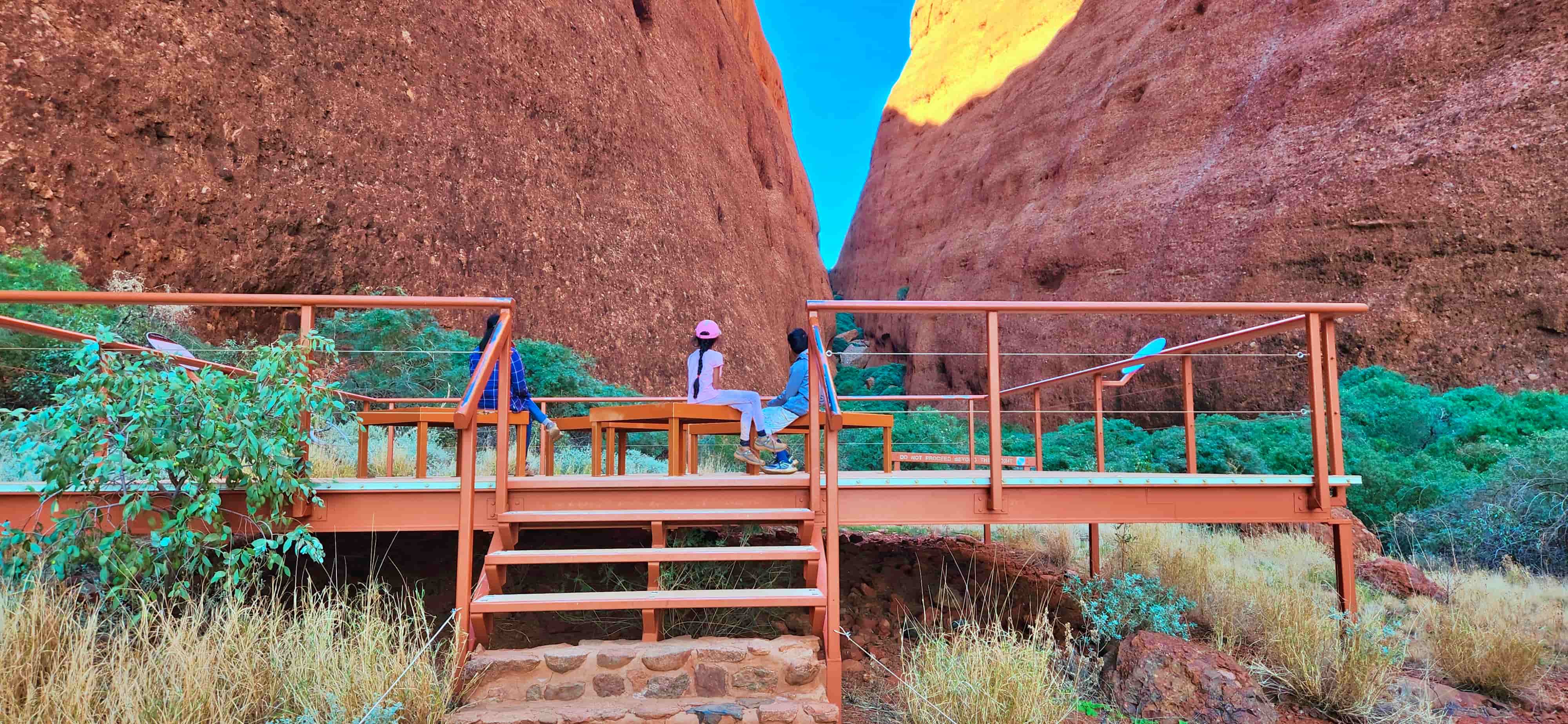
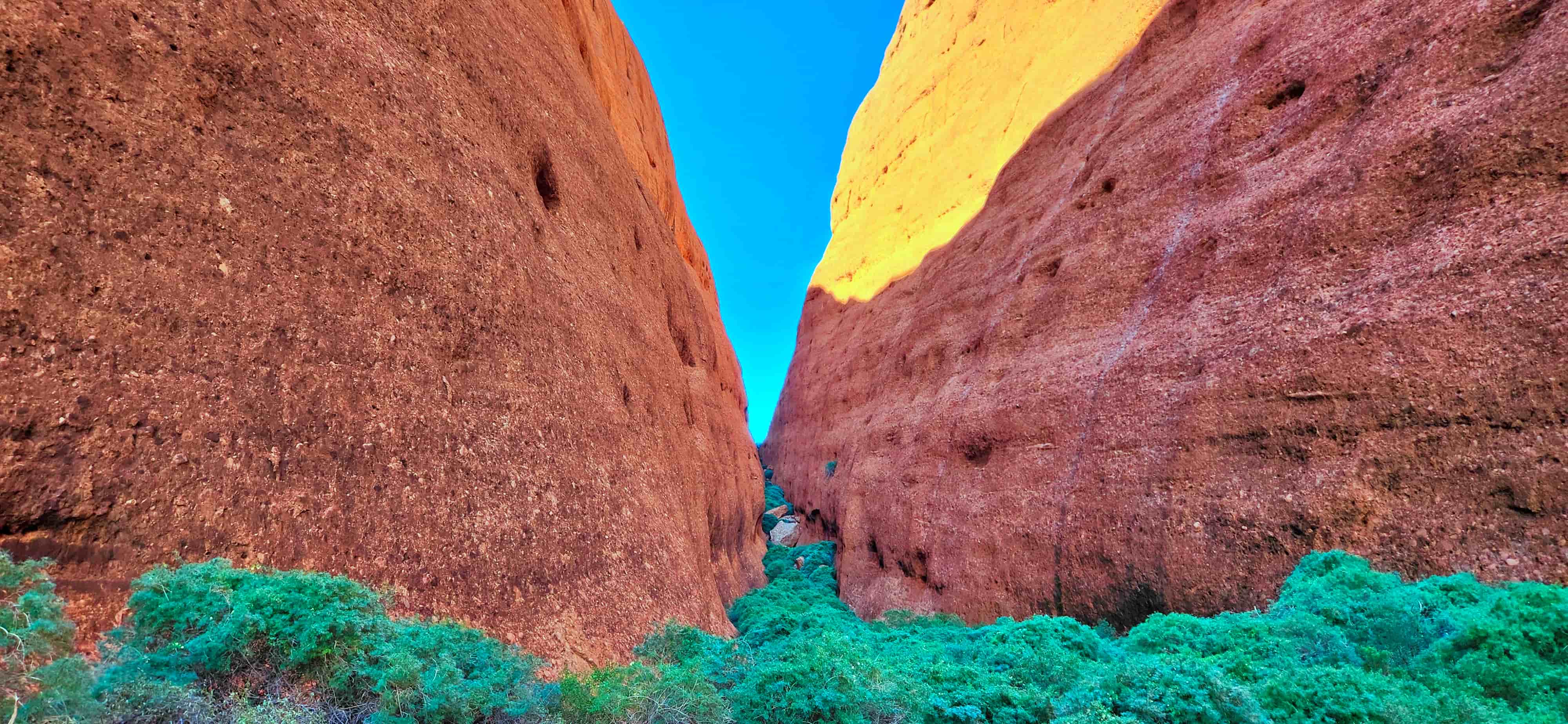
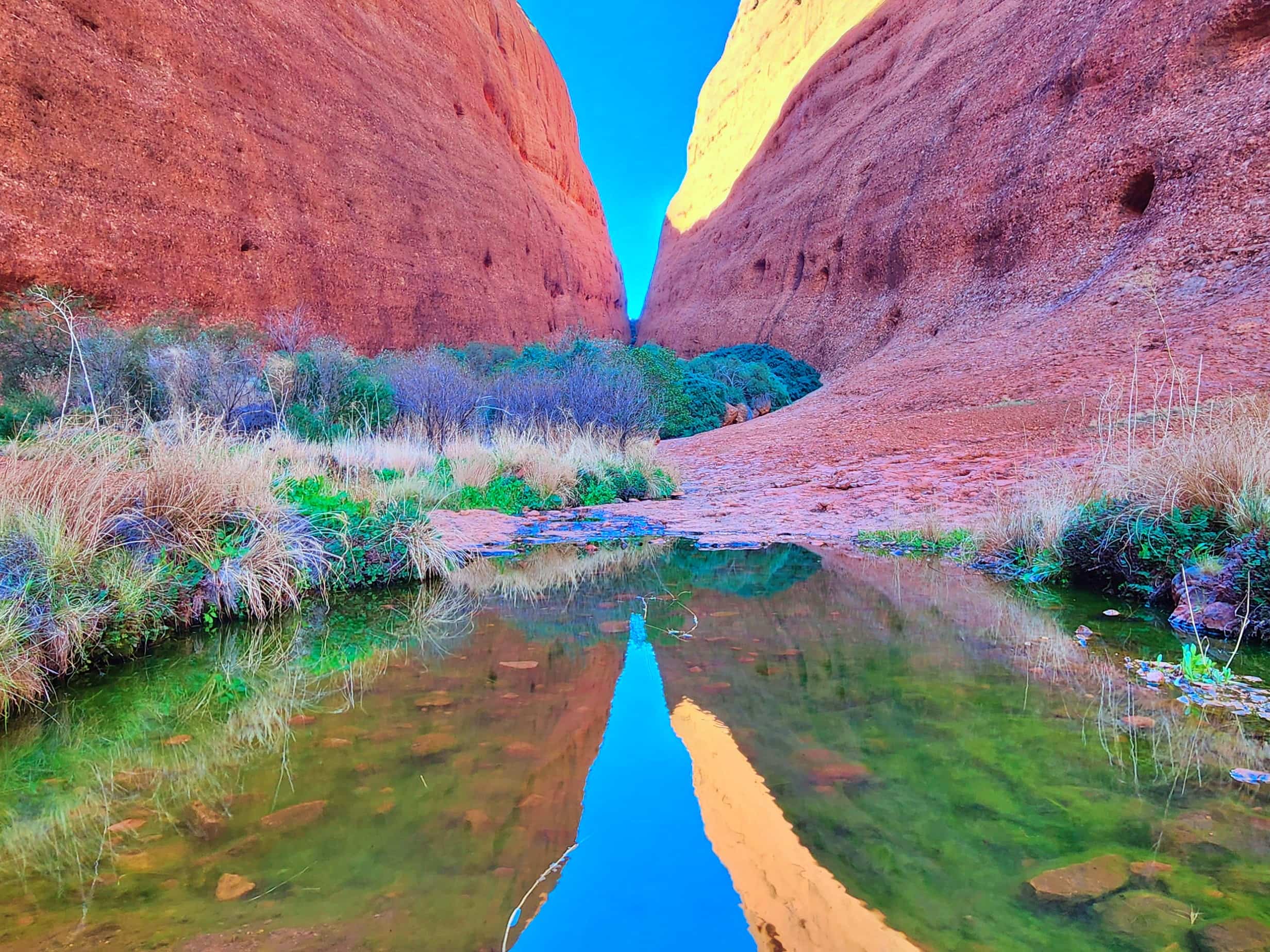
Walpa Gorge Walk
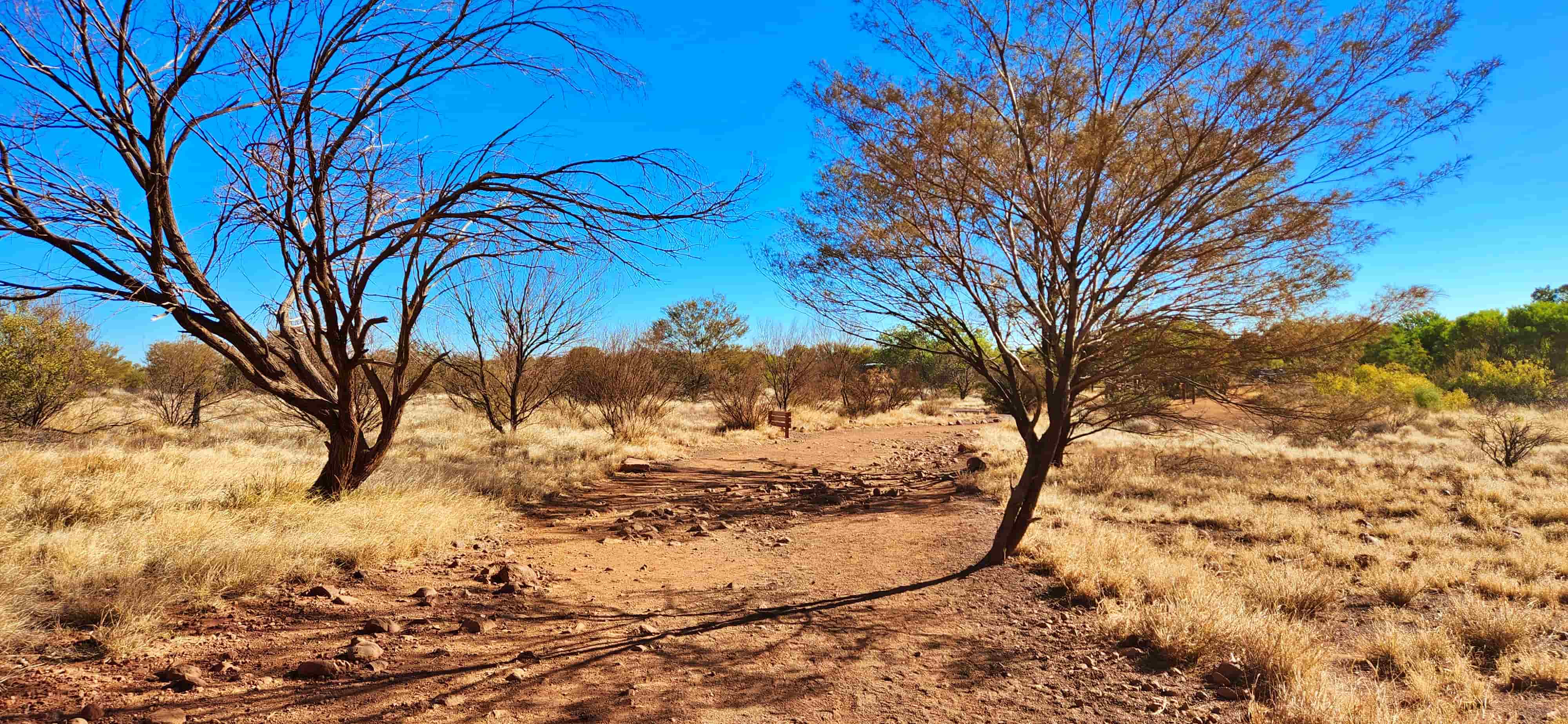
After completing the Valley of the Winds circuit, take a short break in one of the picnic shelters before heading just a few minutes down the road to the Walpa Gorge Walk carpark.
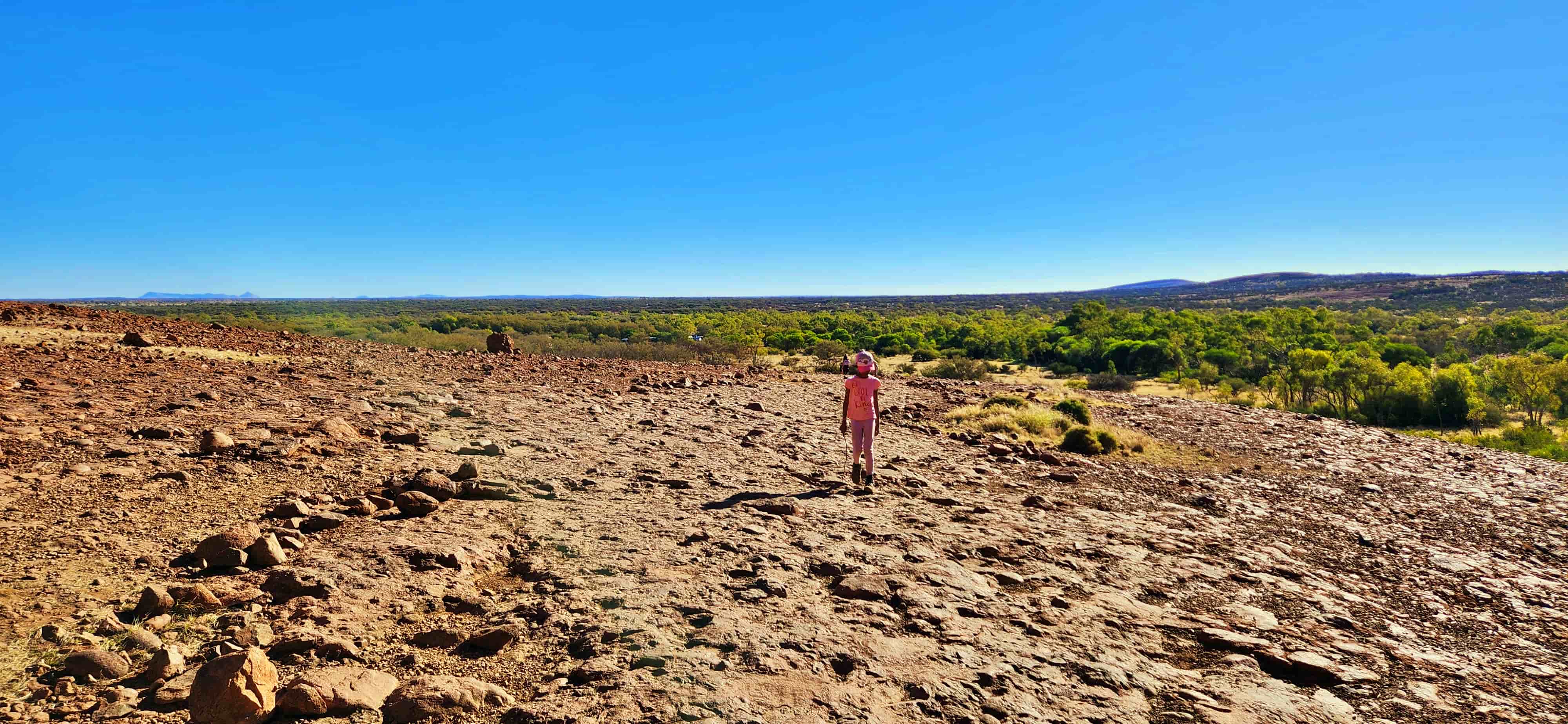
This 2.6 km return walk takes around 1.5 hours and is much easier, leading into a dramatic gorge formed between two towering domes. The name “Walpa” means wind, and you will often feel strong gusts funnel through the natural corridor. The walk ends at a viewing platform surrounded by sheer rock walls, creating a quiet and almost cathedral-like atmosphere within the gorge.
👉 For a detailed guide including the full walk experience, maps and practical tips, read our full guide:
Sunset at Kata Tjuta
Finish the day with a spectacular sunset at the Kata Tjuta Sunset Viewing Area.
As the sun sets, the domes gradually change colour from dusty brown to deep glowing red, creating a spectacular desert panorama.
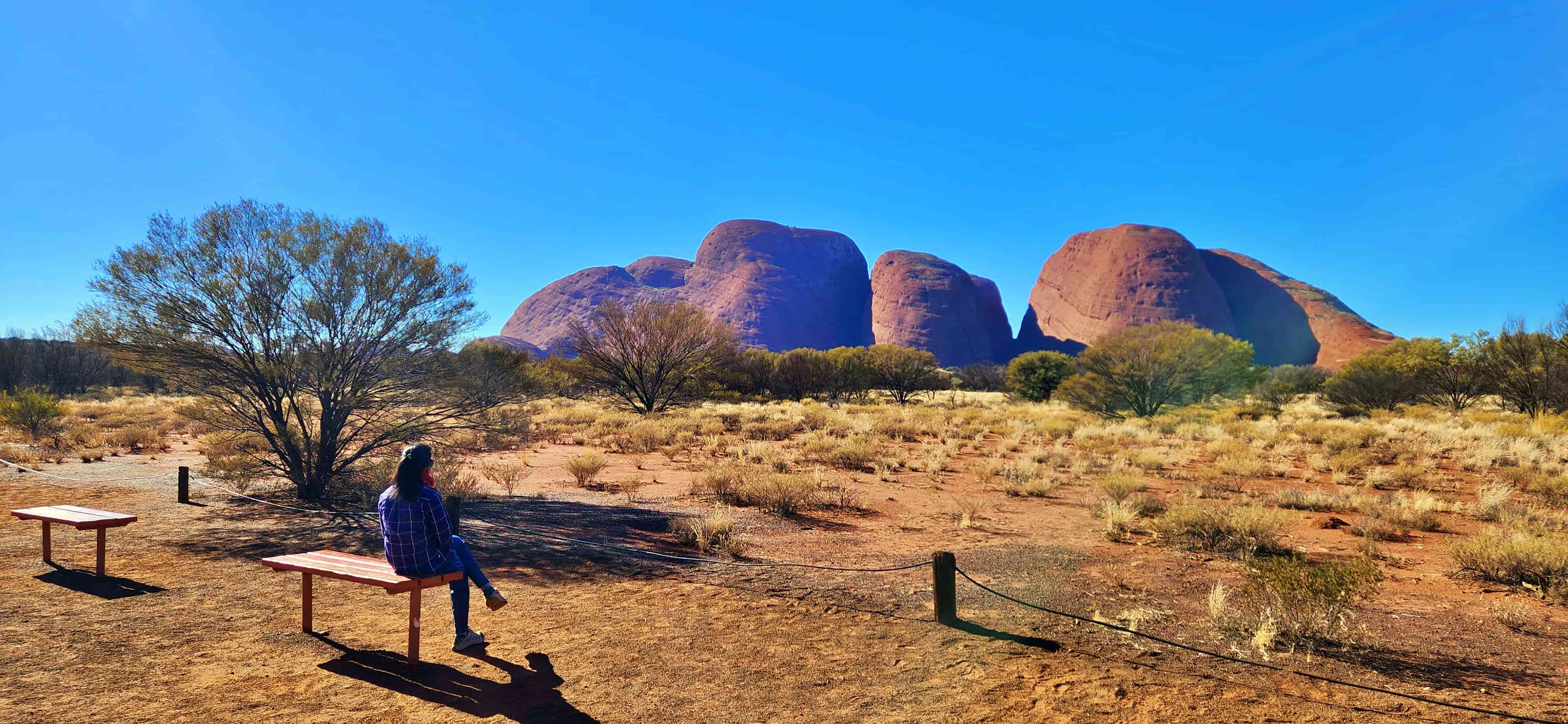
After sunset, return to Yulara for dinner and a relaxing evening. Note: The park typically closes around 7:30 PM, and visitors are required to leave the area approximately 45 minutes before closing.
Day 9: Uluru Experiences
Day nine focuses on the landscapes surrounding Uluru itself, beginning with a truly unique outback experience.
Sunrise Camel Tour
Start the day early with a sunrise camel experience operated by Uluru Camel Tours.
Riding across the desert dunes as the sun rises behind Uluru is a peaceful and memorable way to begin the day. As the first light of morning spreads across the Red Centre, the desert slowly awakens, revealing the rich colours of the landscape and the striking silhouette of Uluru on the horizon. The gentle pace of the camels allows you to take in the vast surroundings while enjoying a unique perspective of the outback — an experience that reflects the historic role camels once played in exploring Australia’s interior.
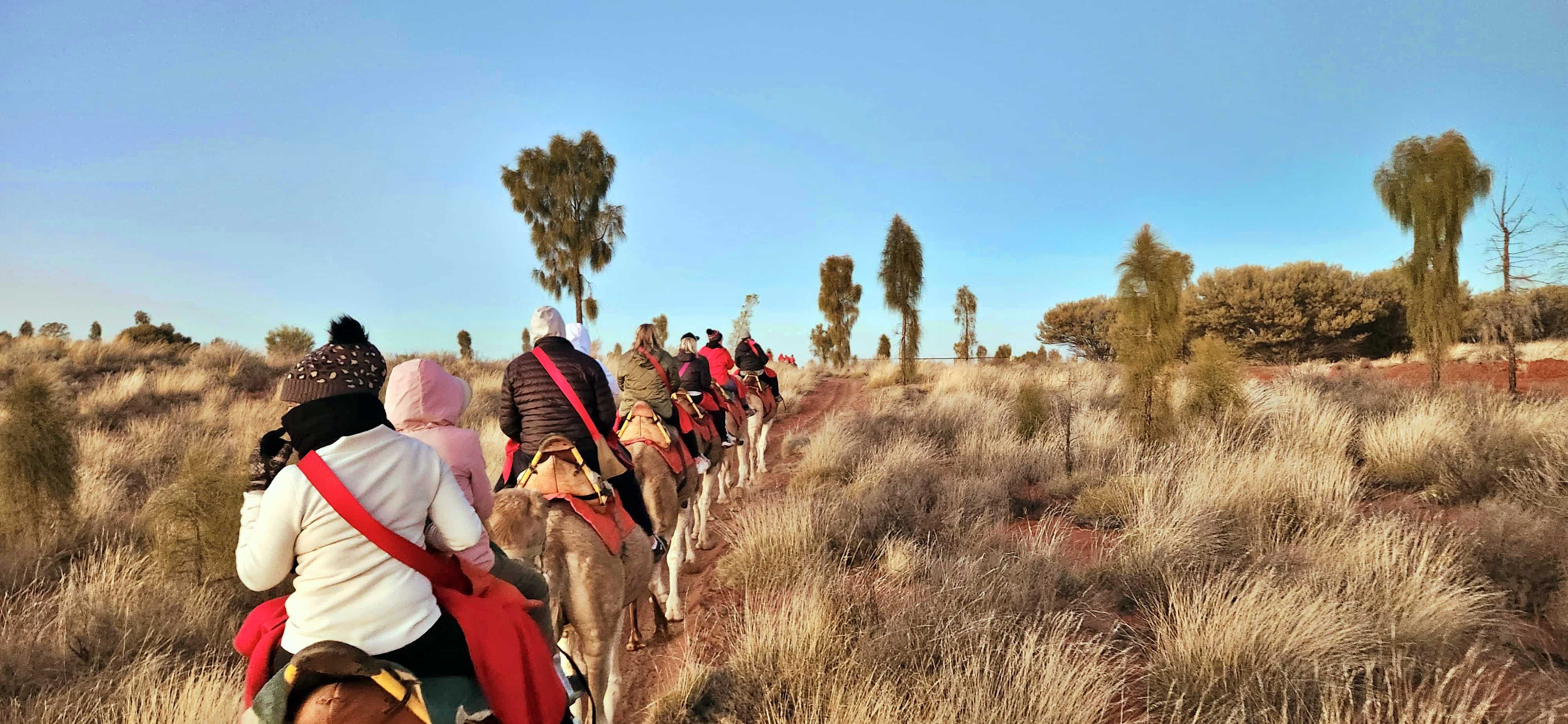
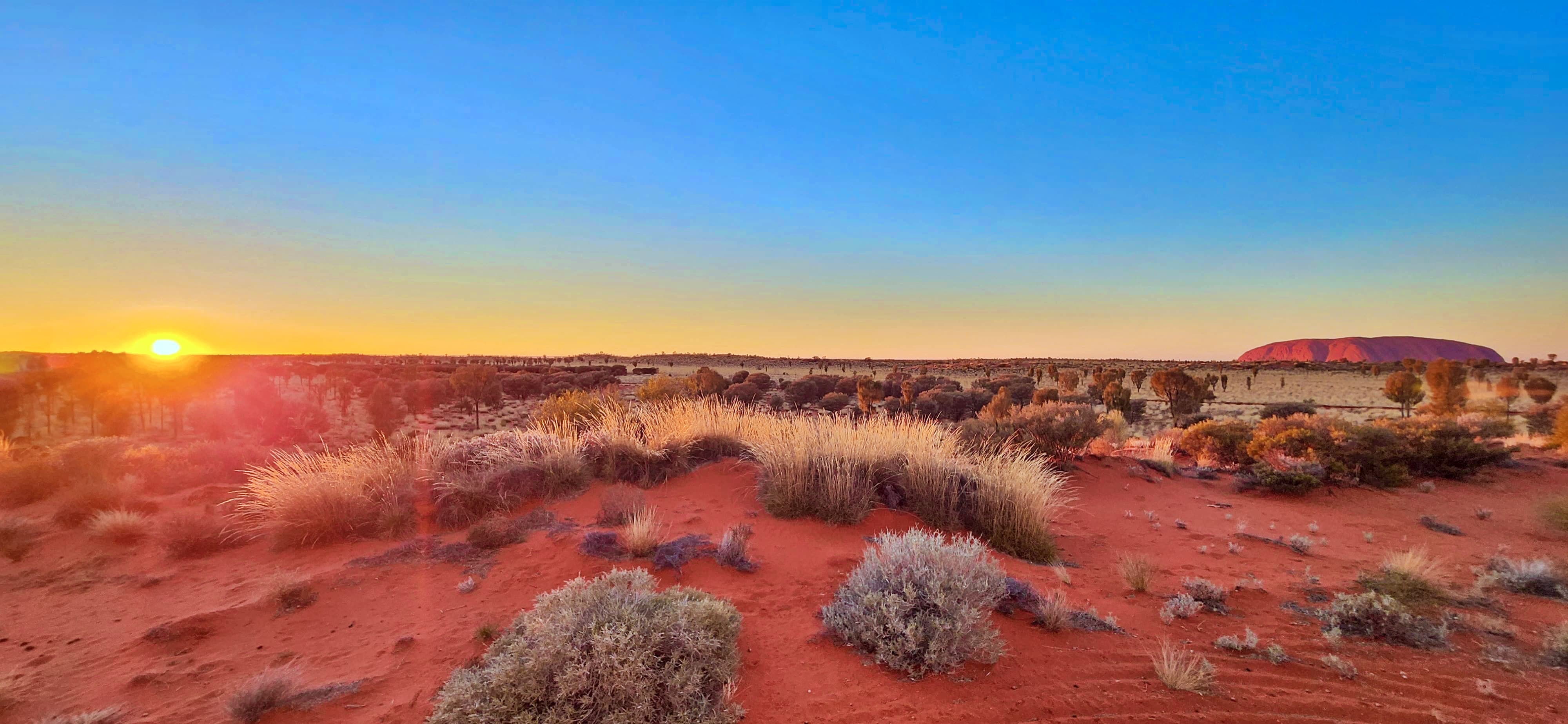
Note: Even during the warmer months, early mornings in the desert can be surprisingly cold. When we visited in July, the temperature before sunrise felt quite chilly, so we strongly recommend bringing a warm jacket or extra layers to stay comfortable during the ride.
After the tour, return to the camel farm where complimentary refreshments are served, giving you time to relax and warm up after the early start. Take a few moments to explore the small camel museum, which shares the fascinating story of camels in Australia’s outback history, and browse the gift shop before continuing with the rest of your day’s adventures.
Next, drive to Mala Carpark, the starting point for the Uluru Base Walk.
Uluru Base Walk
This 10.6 km loop walk circles the entire base of Uluru and is widely considered one of the most fascinating walks in Australia. Along the way, you’ll pass ancient rock art sites, desert waterholes, towering cliff faces, and unique geological formations that reveal the incredible age and cultural significance of the rock. Allow around 3.5 - 5 hours to complete the walk and carry a packed lunch to enjoy along the way.
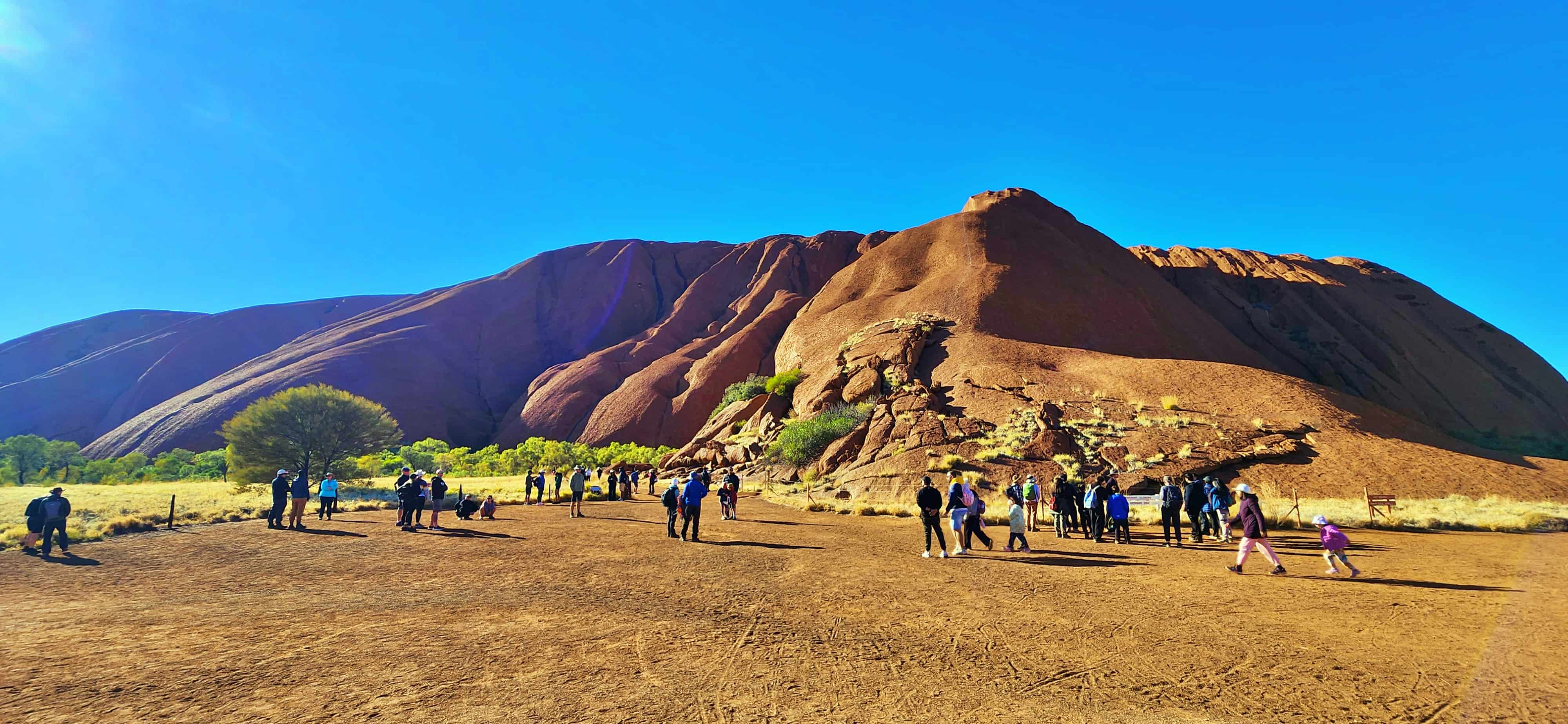
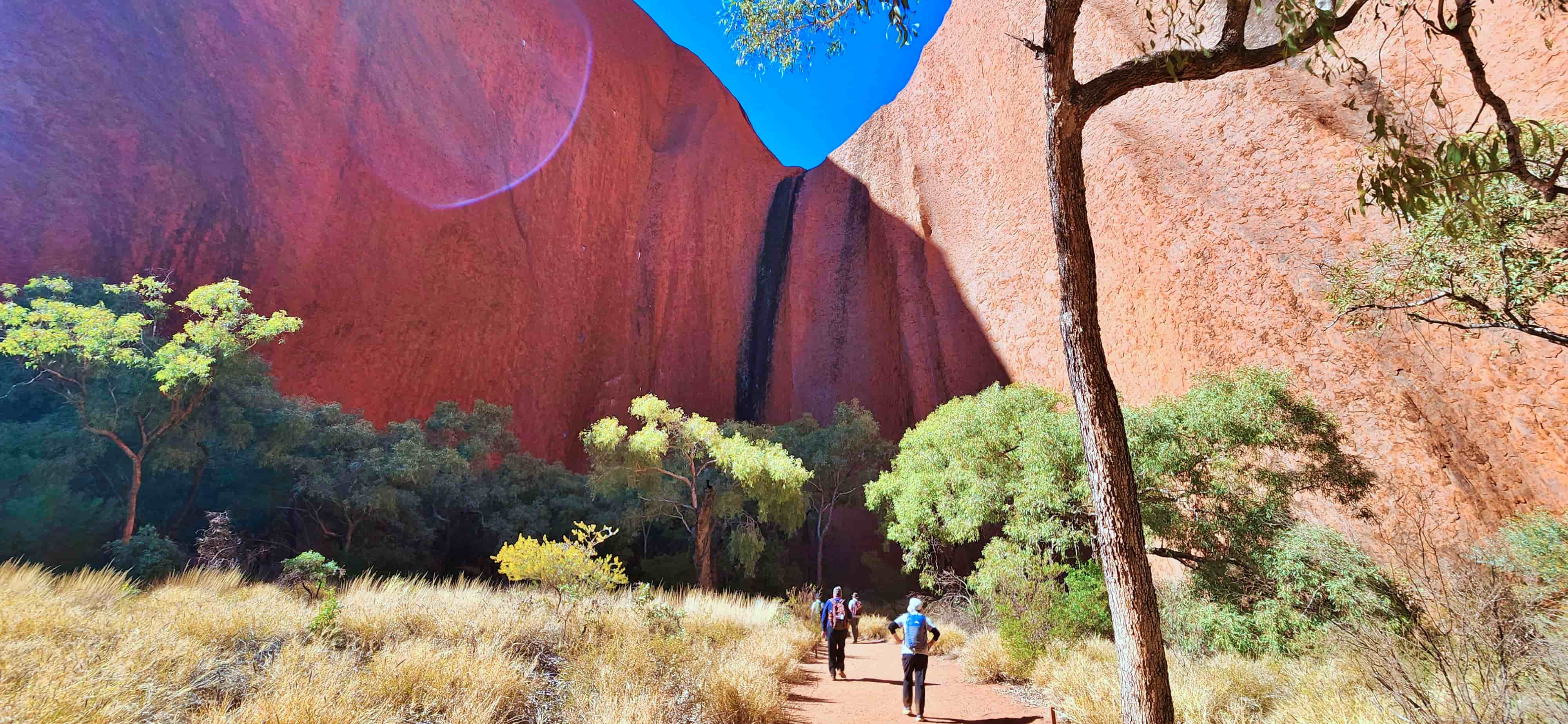
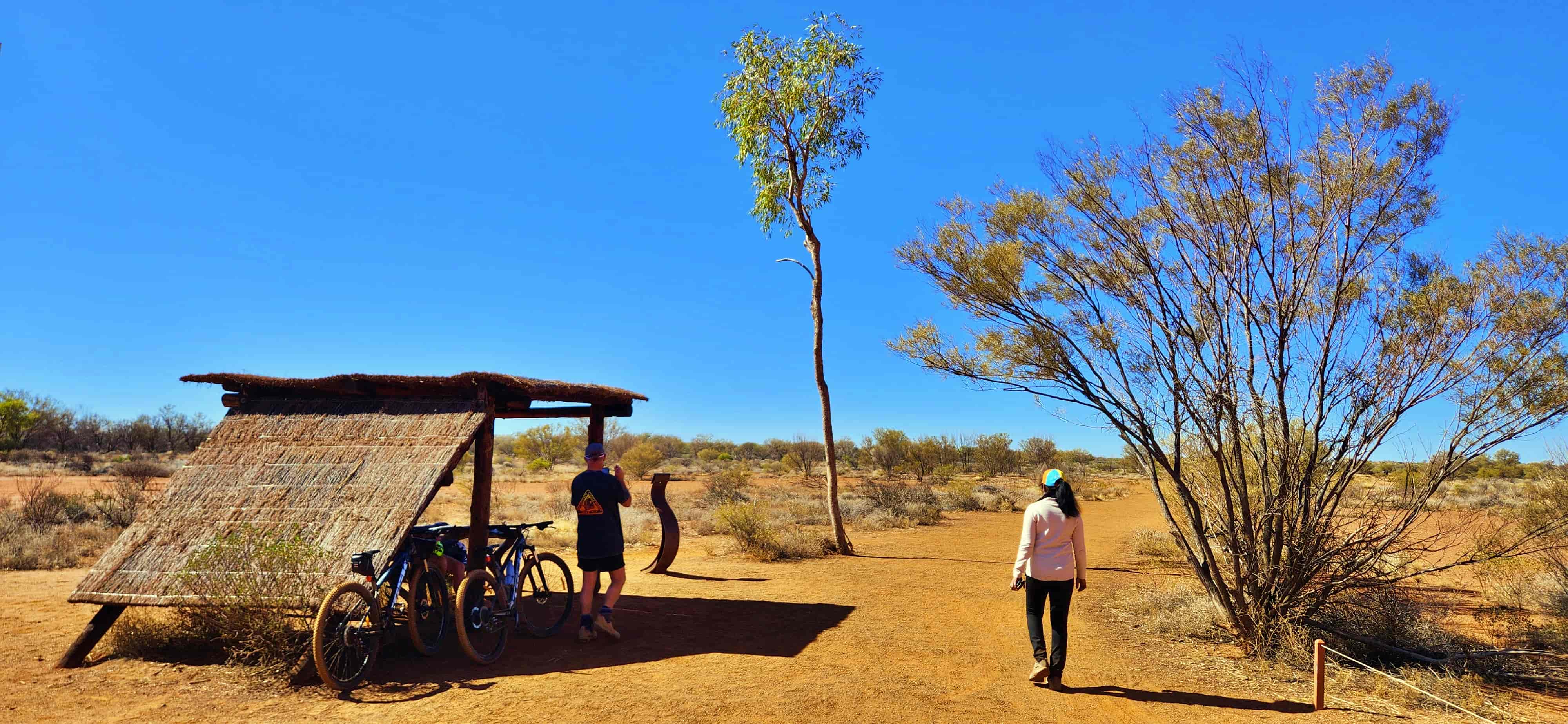
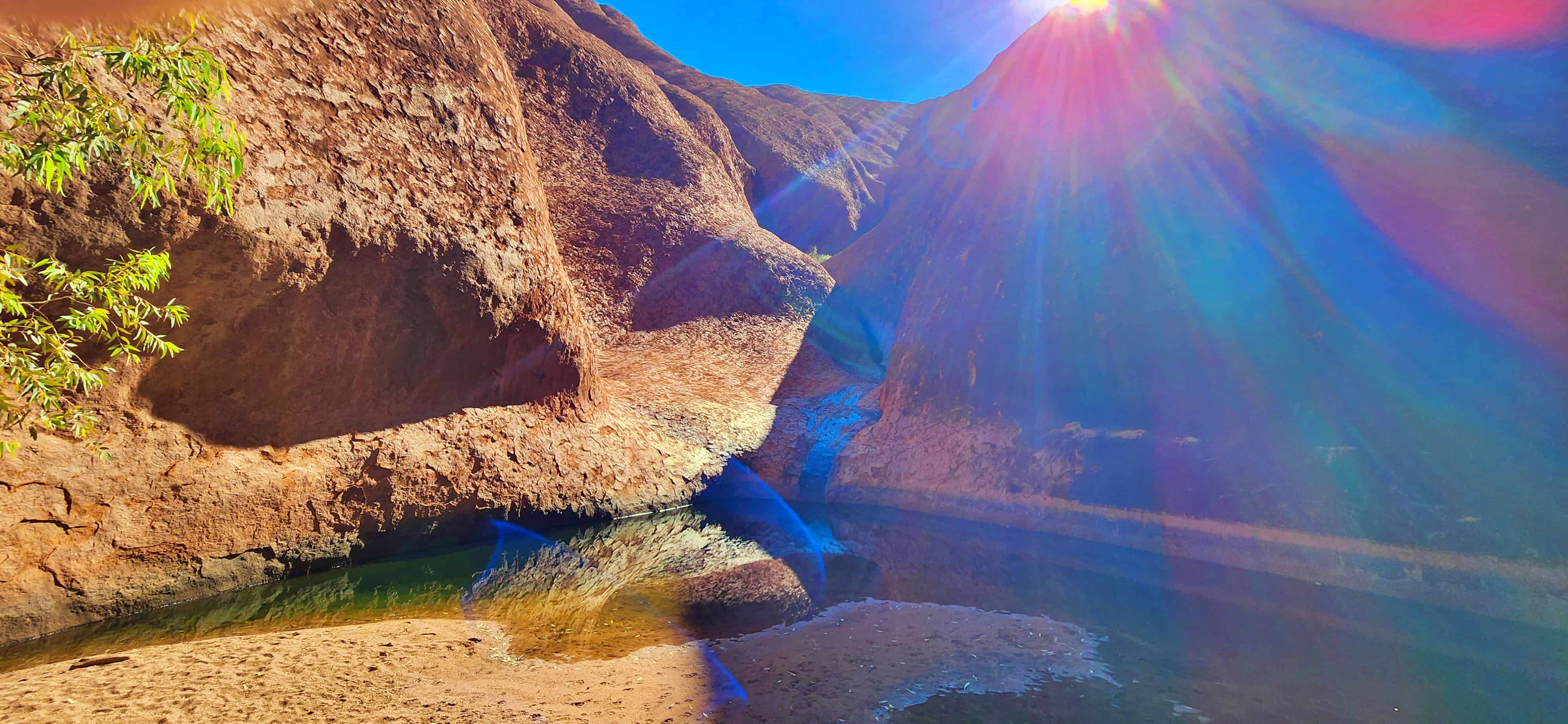


👉 For a detailed guide including sections of the walk, cultural highlights, maps and practical tips, read our full guide:
After completing the Uluru Base Walk, return to your accommodation and enjoy some well-deserved rest before the evening activities begin.
Field of Light
In the evening, experience the stunning Field of Light, the internationally acclaimed art installation by Bruce Munro. More than 50,000 glowing glass spheres illuminate the desert landscape beneath the night sky, creating an unforgettable visual experience set against the silhouette of Uluru!
After the display, return to your accommodation for your final night in the Red Centre.
Day 10: Cultural Centre and Departure
On your final day, check out of your accommodation and make your way to the Uluru-Kata Tjuta Cultural Centre.
Park Pass Tip: If you purchased a 3-day Uluru-Kata Tjuta National Park Pass on Day 7, it will cover only the first three days in Uluru. If you’re following this itinerary to briefly visit the park again on Day 10 (for example, to stop by the Cultural Centre before heading to the airport), you generally do not need to purchase a new pass. Simply inform the staff at the park entry station that it is your final day in the area, and they will extend your pass for up to two additional days if required.
Uluru-Kata Tjuta Cultural Centre provides important insight into the traditions, history, and spiritual significance of Uluru and Kata Tjuta for the Anangu people. Through exhibits, artwork, and interpretive displays, visitors gain a deeper understanding of the connection between the land and its Traditional Owners. We recommend allowing at least two hours to fully explore and appreciate the Cultural Centre.
Note: Photography is not permitted inside the Uluru-Kata Tjuta Cultural Centre.
Spend the remaining day exploring the Cultural Centre before making your way to the airport for your flight home. We recommend arriving at least two hours before your scheduled departure to allow ample time for check-in and security.
This 10-day Central Australia road trip itinerary delivers a complete Red Centre experience—from remote outback roads and geological wonders to deeply significant cultural sites. With thoughtful pacing, unforgettable walks and iconic sunsets, it’s an adventure that captures the spirit of Australia’s heartland and leaves a lasting impression long after the dust settles.
Love our itinerary? Excited to embark on the Central Australia road trip? Book your accommodation via Booking.com below at cheaper prices!
This post may contain affiliate links. This means that, at no additional cost to you, we may earn a small commission if you make a purchase through the links provided. These commissions help support our website and allow us to continue sharing our travel experiences. Thank you for your support.
This itinerary is based on our personal experiences and recommendations. All information is provided for general guidance only and may change due to circumstances beyond our control. Travellers are encouraged to independently verify details and make choices according to their own preferences and safety considerations. We do not accept responsibility for any loss, injury, or inconvenience sustained by anyone using our itineraries.