
Few landscapes in Australia feel as powerful, ancient, and spiritually significant as the dramatic desert heart of the Red Centre. Rising from the vast outback plains, the iconic monolith of Uluru and the towering domes of Kata Tjuta create one of the most remarkable natural environments on Earth. Located within Uluru-Kata Tjuta National Park, these sacred landscapes hold deep cultural meaning for the Anangu people while offering travellers unforgettable walking experiences, spectacular desert sunsets, and unique outback adventures.
Media Permit Notice
Uluṟu–Kata Tjuṯa National Park is a culturally significant landscape jointly managed by the Aṉangu Traditional Owners and Parks Australia. The use of photographs, video or other media from within the park — particularly for publication on websites, blogs or other public platforms — requires permission under the park’s media and photography guidelines.
In accordance with these requirements, we obtained the appropriate media permit from Parks Australia prior to publishing images from Uluṟu–Kata Tjuṯa National Park on this website.
Visitors should also be aware that certain areas within the park are culturally sensitive, and photography or filming may be restricted in some locations. All visitors are encouraged to follow signage, respect cultural protocols, and honour the wishes of the Aṉangu people when visiting and sharing experiences from this extraordinary place.
Explore our itineraries hassle-free with these recommended services!
Car Rental
This 4-day Uluru and Kata Tjuta itinerary is designed to help you experience the highlights of the Red Centre at a comfortable pace. From hiking through the dramatic domes of Kata Tjuta to completing the full base walk around Uluru, watching fiery desert sunsets, riding camels at sunrise, and experiencing the magical Field of Light installation, this itinerary combines nature, culture, and adventure in one unforgettable journey.
Important: This itinerary is designed with winter conditions (May–September) in mind, when daytime temperatures are cooler and walking conditions are safer. During summer months (October–April) temperatures in the Red Centre can exceed 40°C, and most of the walks may have heat-related closures. If visiting during summer, plan to start much earlier in the morning and adjust the timings accordingly.
Getting there
We recommend basing yourself in the small outback township of Yulara, located just outside the entrance to Uluru-Kata Tjuta National Park. Yulara is purpose-built for visitors exploring the Red Centre and serves as the main accommodation hub for the region. Here you’ll find hotels, campgrounds, restaurants, tour operators, supermarkets, and visitor facilities all within the Ayers Rock Resort precinct. From Yulara, it’s an easy 20 minute drive to Uluru and about 45 minutes to Kata Tjuta, making it the most convenient base for exploring both landmarks.
You will typically arrive in Yulara either by flying directly into Ayers Rock Airport, which receives regular flights from major Australian cities such as Sydney, Melbourne, Brisbane and Cairns, or by embarking on a classic outback road trip. Many travellers drive down from Alice Springs via the Lasseter Highway, a scenic journey of around 4.5 to 5 hours through vast desert landscapes. Others arrive from further afield while exploring Australia’s interior, travelling from towns such as Coober Pedy along the Stuart Highway and Lasseter Highway route. Whichever way you choose to reach the Red Centre, most visitors typically arrive in Yulara around midday or early afternoon. This timing works perfectly with this itinerary, allowing you to check into your accommodation, relax after the journey, and then head into the park later in the day to experience your first unforgettable desert sunset at Uluru.
Top Tips for Visiting Uluru & Kata Tjuta: Planning ahead is essential when visiting the iconic landscapes of Uluru and Kata Tjuta. Located deep in Australia’s Red Centre, the region experiences extreme temperatures, vast distances, and strict cultural and environmental protections. Understanding park regulations, preparing for desert conditions, and respecting the cultural significance of the land will help ensure a safe and meaningful experience. Whether you're visiting for the first time or returning to explore more of the national park, the following practical tips will help you make the most of your time at Uluru and Kata Tjuta while travelling responsibly and comfortably.
Day 1: Arrival and Uluru Sunset
Your Red Centre adventure begins with arrival in the desert heart of Australia. After arriving at Ayers Rock Airport or driving into Yulara, check in to your accommodation and take some time to settle into the relaxed rhythm of the outback. The desert landscape around Uluru is unlike anywhere else in Australia — vast, open, and coloured by deep red earth and endless blue skies.
In the evening, make your way to the Uluru Sunset Viewing Area.
This is one of the most iconic sunset experiences in Australia. As the sun begins to dip below the horizon, the surface of Uluru transforms through shades of ochre, burnt orange, and deep crimson. Spend some time soaking in the moment as the desert quiets down and the massive sandstone monolith glows against the fading light.
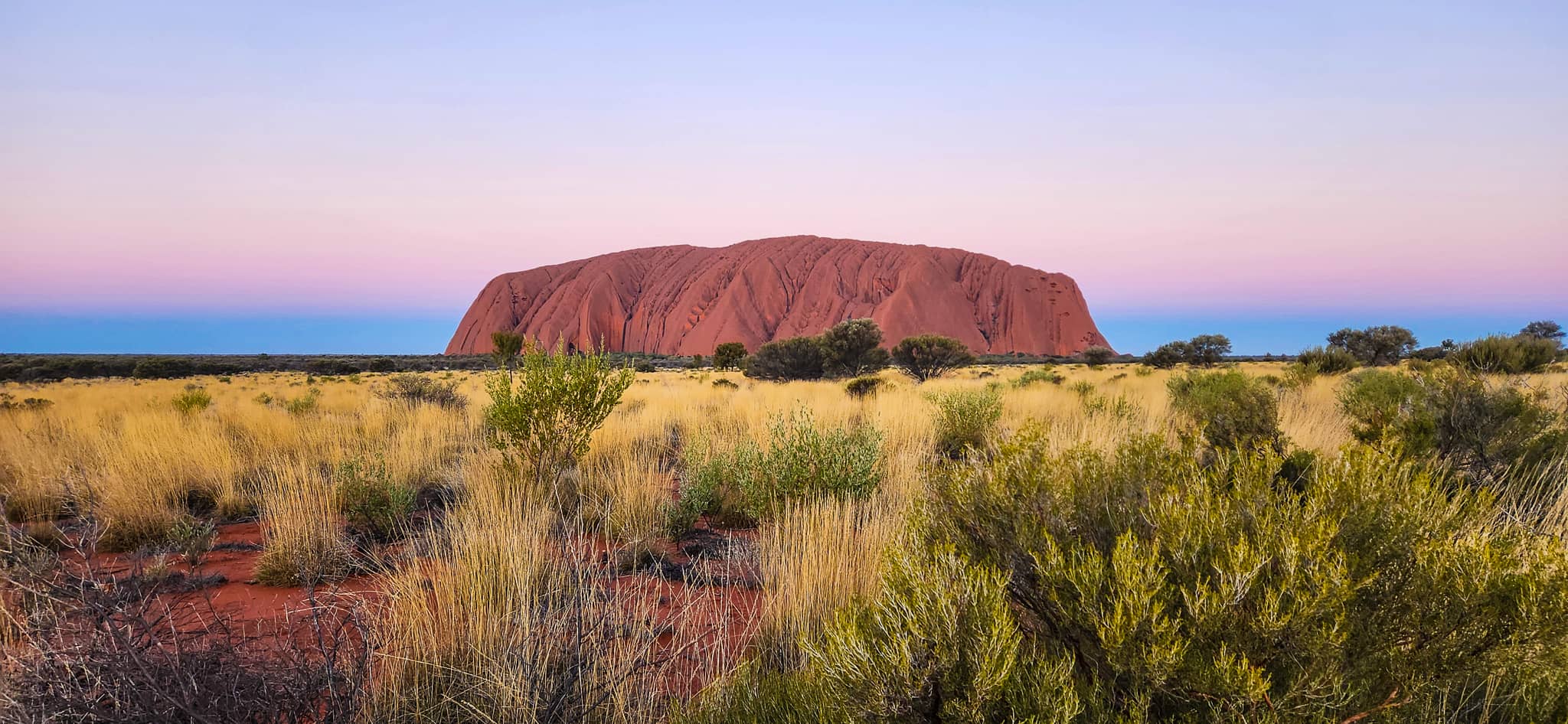
After sunset, return to your accommodation at Yulara for dinner and a well-earned rest before the adventures ahead.
Day 2: Exploring Kata Tjuta
Today is dedicated to exploring the spectacular domes of Kata Tjuta, located about 45 minutes west of Uluru. Begin the morning by heading to the Kata Tjuta Dune Viewing Area.
This elevated lookout offers one of the best panoramic views of the massive domes rising from the desert plains — a perfect photo opportunity before continuing deeper into the area to experience them up close.
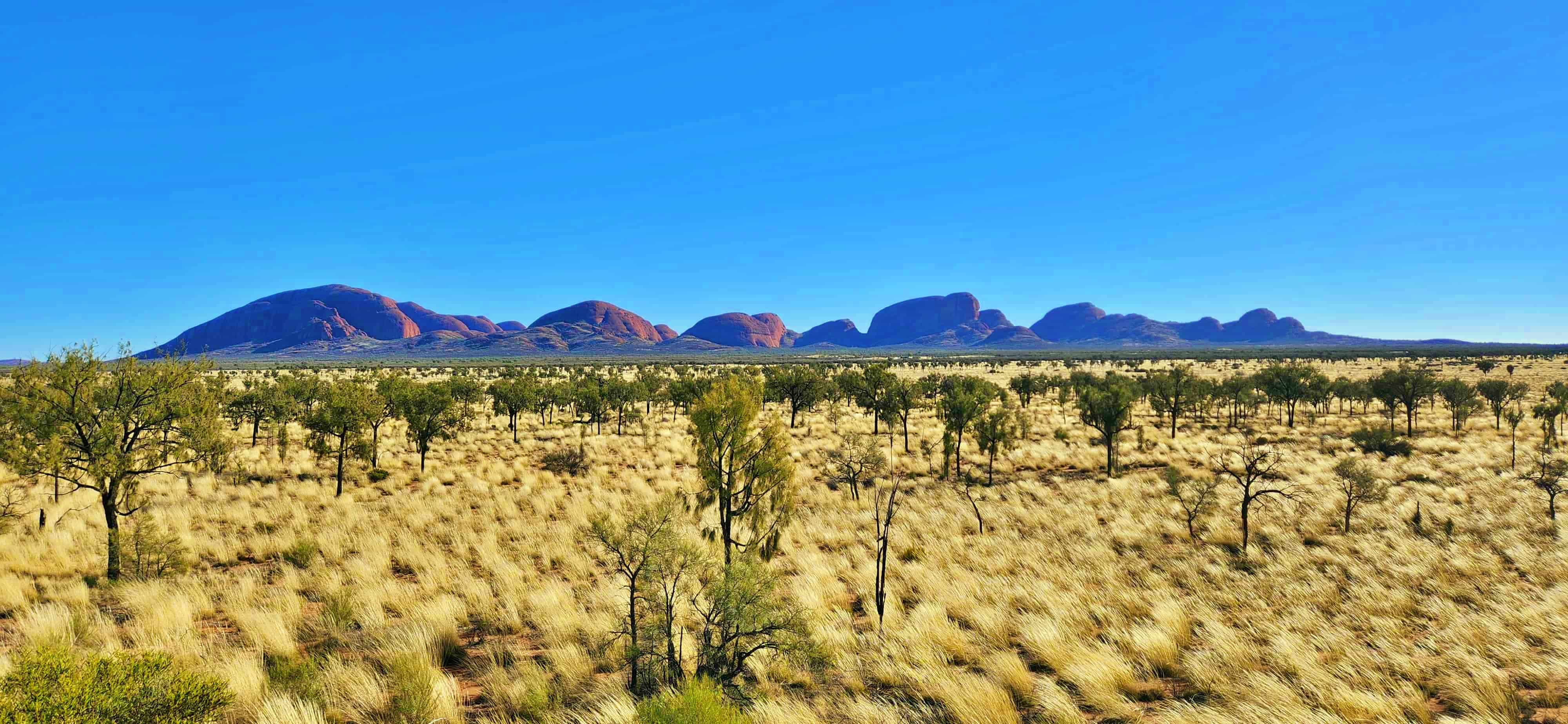
From here, continue to the Valley of the Winds Walk carpark and prepare for one of the most rewarding walks in Central Australia.
Valley of the Winds Walk
This 7.4 km circuit walk takes you deep into the heart of the Kata Tjuta formations, weaving between massive domes of conglomerate rock shaped by millions of years of erosion. The trail is Grade 4, meaning sections can be steep, rocky, and uneven. However, the effort is rewarded with breathtaking views across the desert landscape. The two main viewpoints — Karu Lookout and Karingana Lookout — offer dramatic perspectives of the valley corridors and the surrounding domes. Allow around four hours to complete the full circuit and bring a packed lunch, which can be enjoyed at one of the scenic rest areas along the track.
| Valley of the Winds Walk – Key Facts | |
|---|---|
| Trailhead | Valley of the Winds Car Park (Kata Tjuta) |
| Trail Type | Loop |
| Distance | 7.4km |
| Duration | 3 - 4 hours |
| Accumulated Elevation Gain | 328m |
| Difficulty | Grade 4 (moderate to challenging) |
| Best Time to Hike | April to September |
| Heat policy | Sections may close from 11am if forecast is 36°C or above |
👉 For a complete breakdown of the walk including Karu Lookout, Karingana Lookout, full circuit details and safety tips, read our full guide:
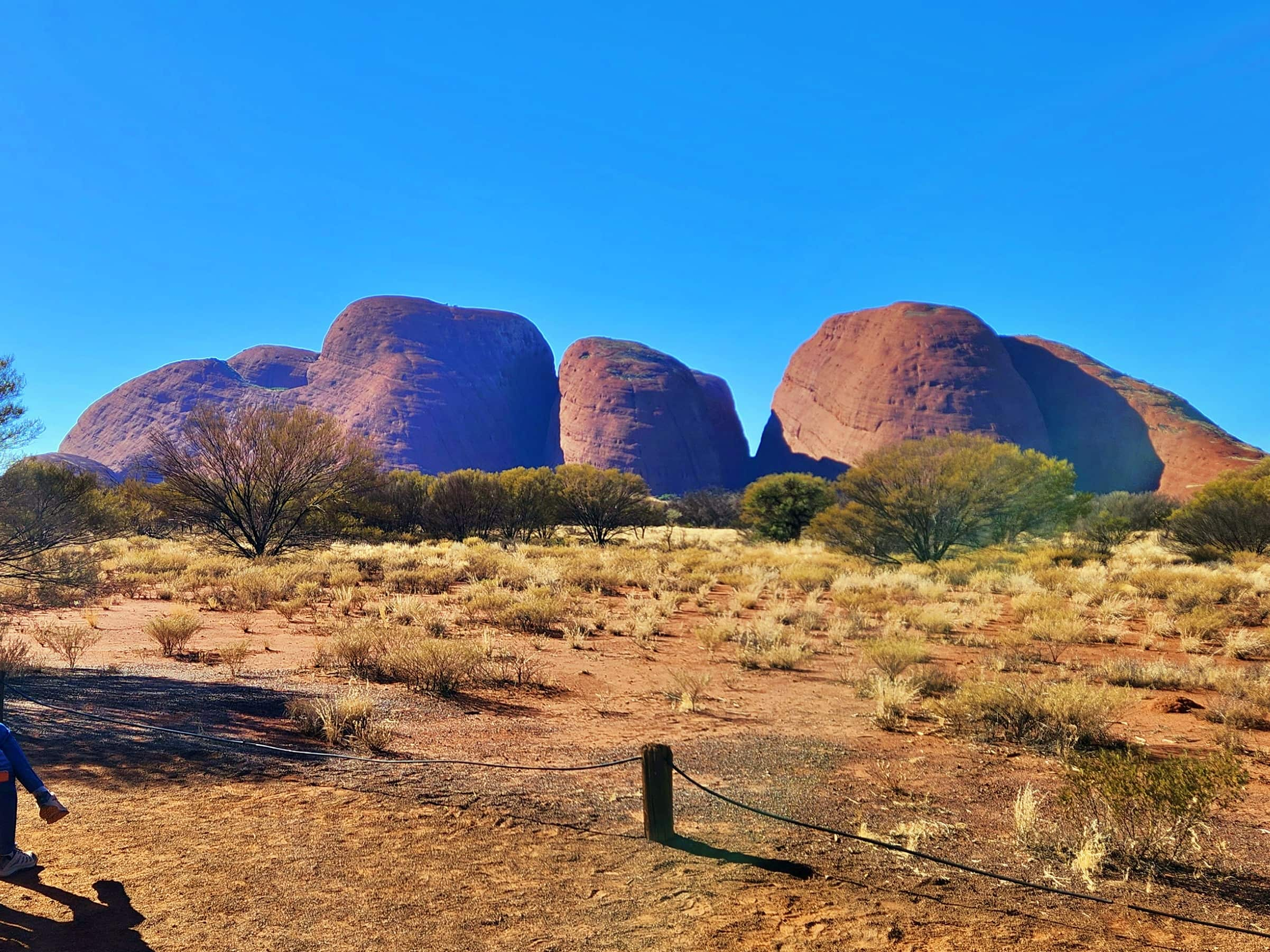
Note: We chose not to take any photographs during the Valley of the Winds walk out of respect for the wishes of the Traditional Custodians and the cultural significance of this area. While this means we cannot visually showcase the domes from within the walk itself, we still felt it was important to share this guide so visitors can understand what the experience involves and appreciate the landscape in a meaningful and informed way. By describing the journey rather than capturing it on camera, we hope to both honour cultural protocols and help others prepare for this remarkable walk.
Walpa Gorge Walk
After completing the Valley of the Winds circuit, take a short break in one of the picnic shelters before heading just a few minutes down the road to the Walpa Gorge Walk carpark.
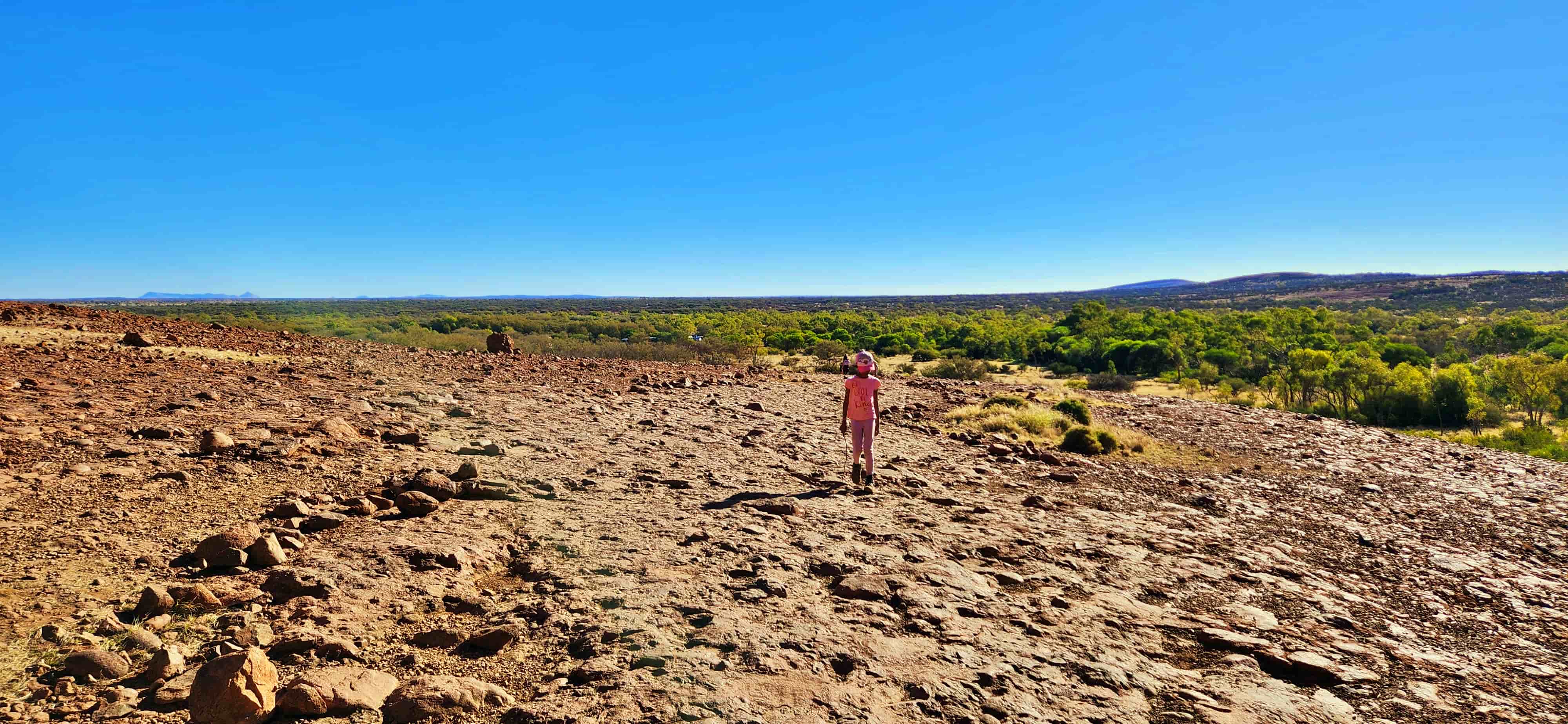
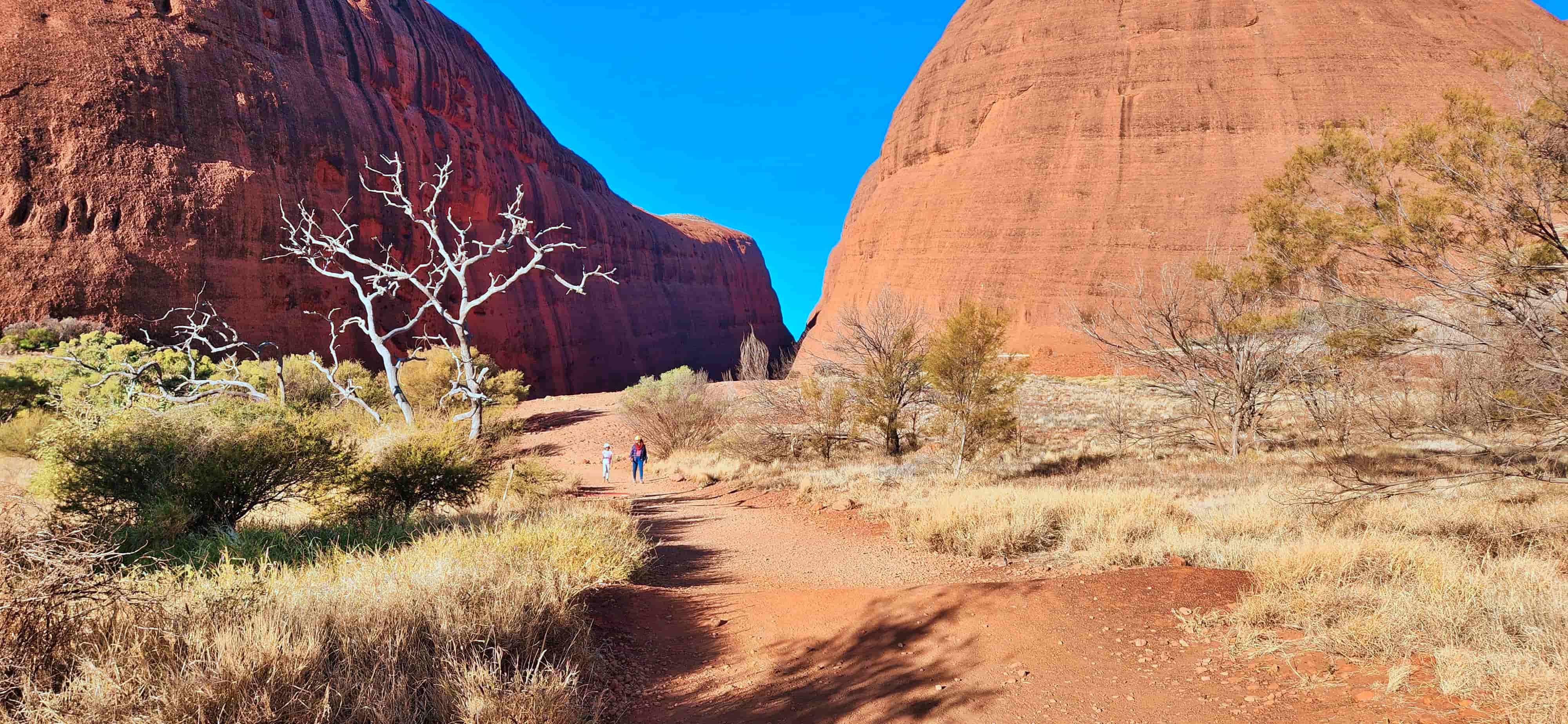
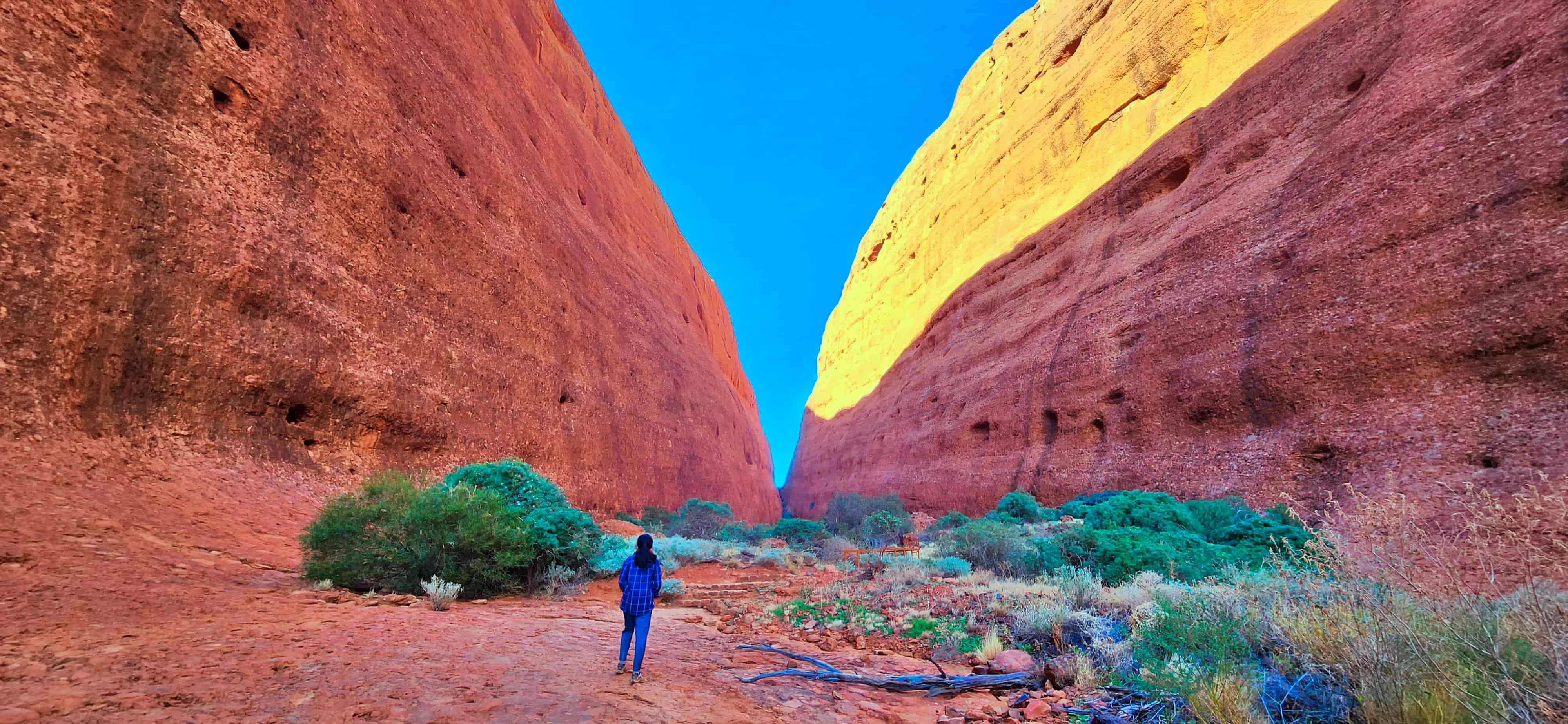
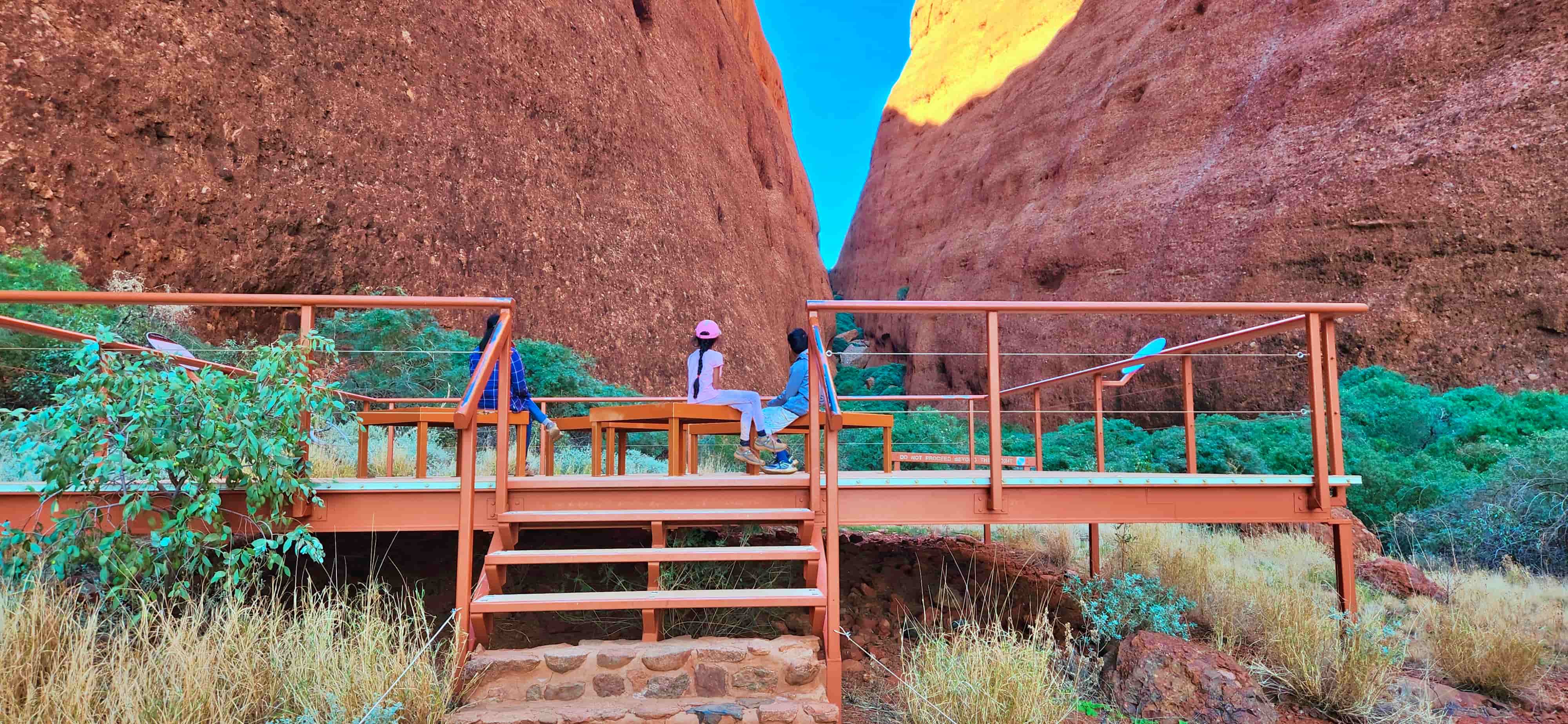
This 2.6 km return walk takes around 1.5 hours and is much easier, leading into a dramatic gorge formed between two towering domes. The name “Walpa” means wind, and you will often feel strong gusts funnel through the natural corridor. The walk ends at a viewing platform surrounded by sheer rock walls, creating a quiet and almost cathedral-like atmosphere within the gorge.
| Walpa Gorge Walk – Key Facts | |
|---|---|
| Trailhead | Walpa Gorge Car Park (Kata Tjuta) |
| Trail Type | Out & Back |
| Distance | 2.6km return |
| Duration | 1 - 1.5 hours |
| Accumulated Elevation Gain | 143m |
| Difficulty | Grade 3 – moderate (rocky and uneven in parts) |
| Best Time to Hike | April to September |
| Heat policy | Always check daily safety boards before starting |
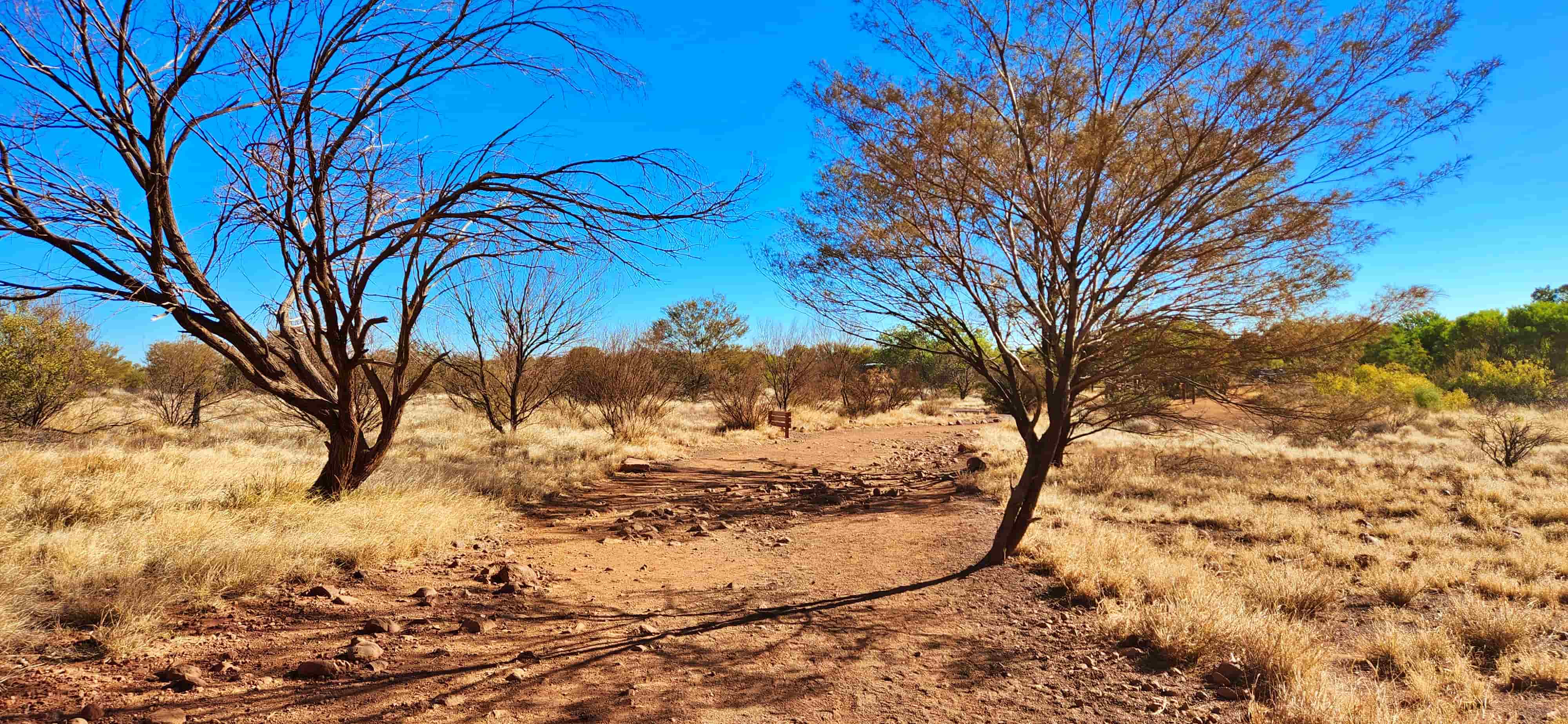
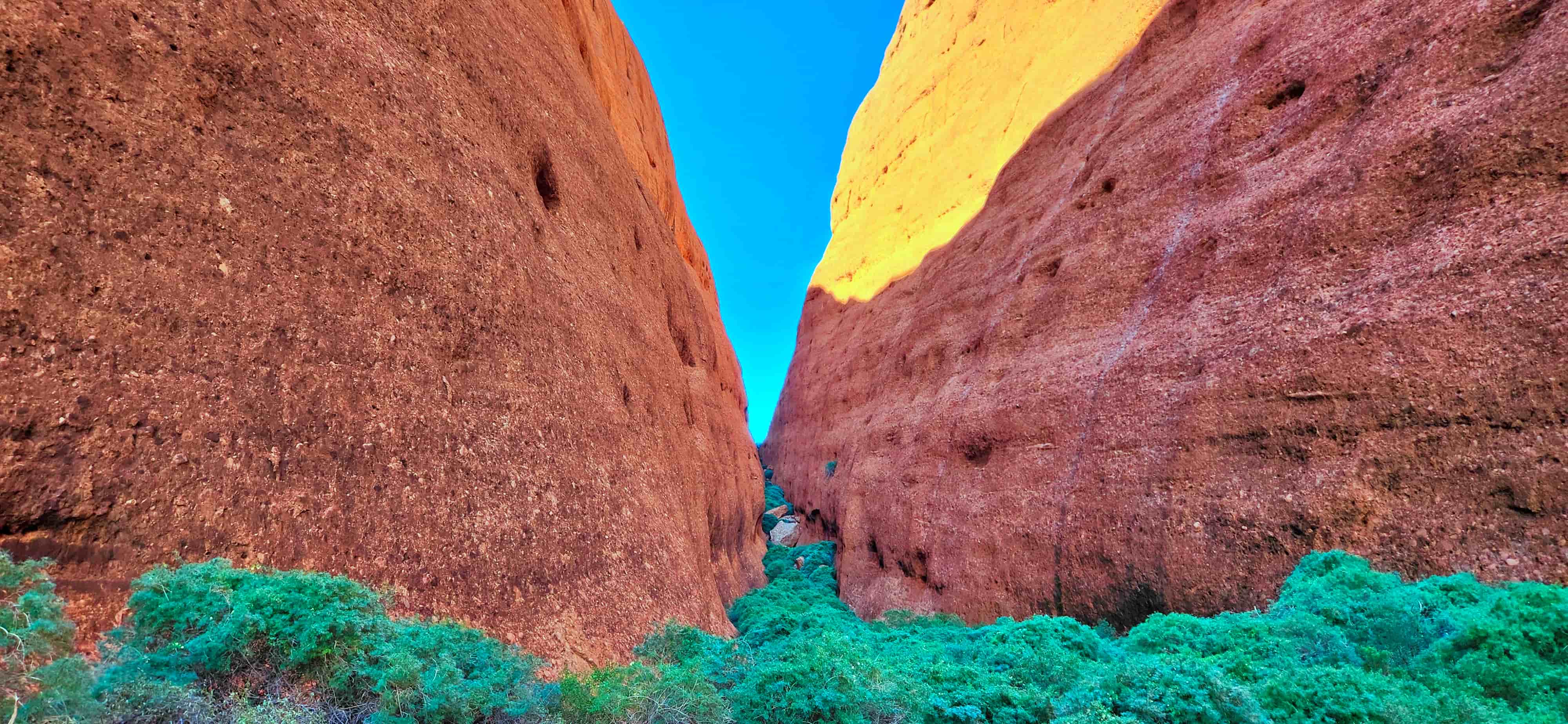
👉 For a detailed guide including the full walk experience, maps and practical tips, read our full guide:
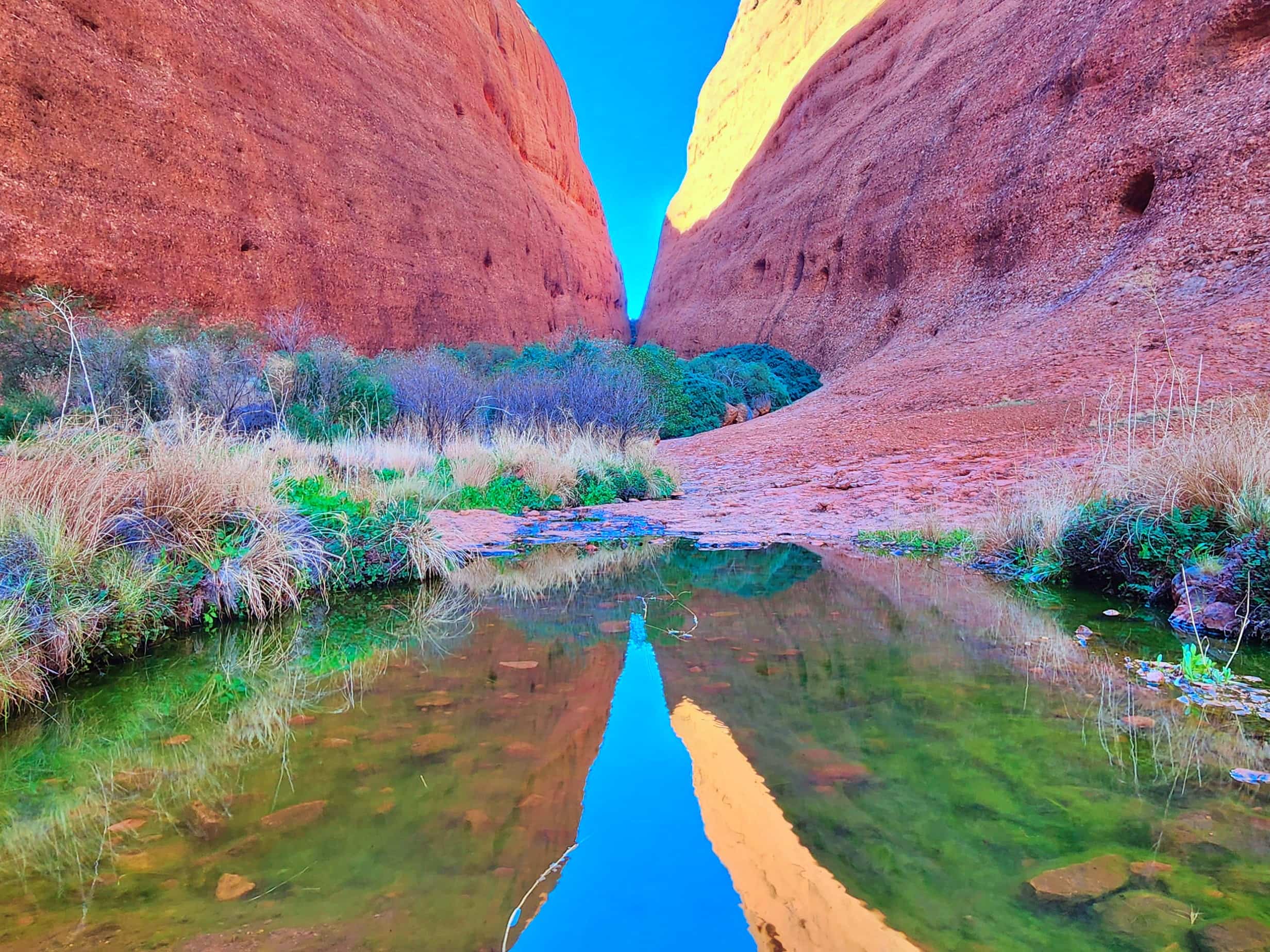
Sunset at Kata Tjuta
Finish the day with a spectacular sunset at the Kata Tjuta Sunset Viewing Area.
As the sun sets, the domes gradually change colour from dusty brown to deep glowing red, creating a spectacular desert panorama.
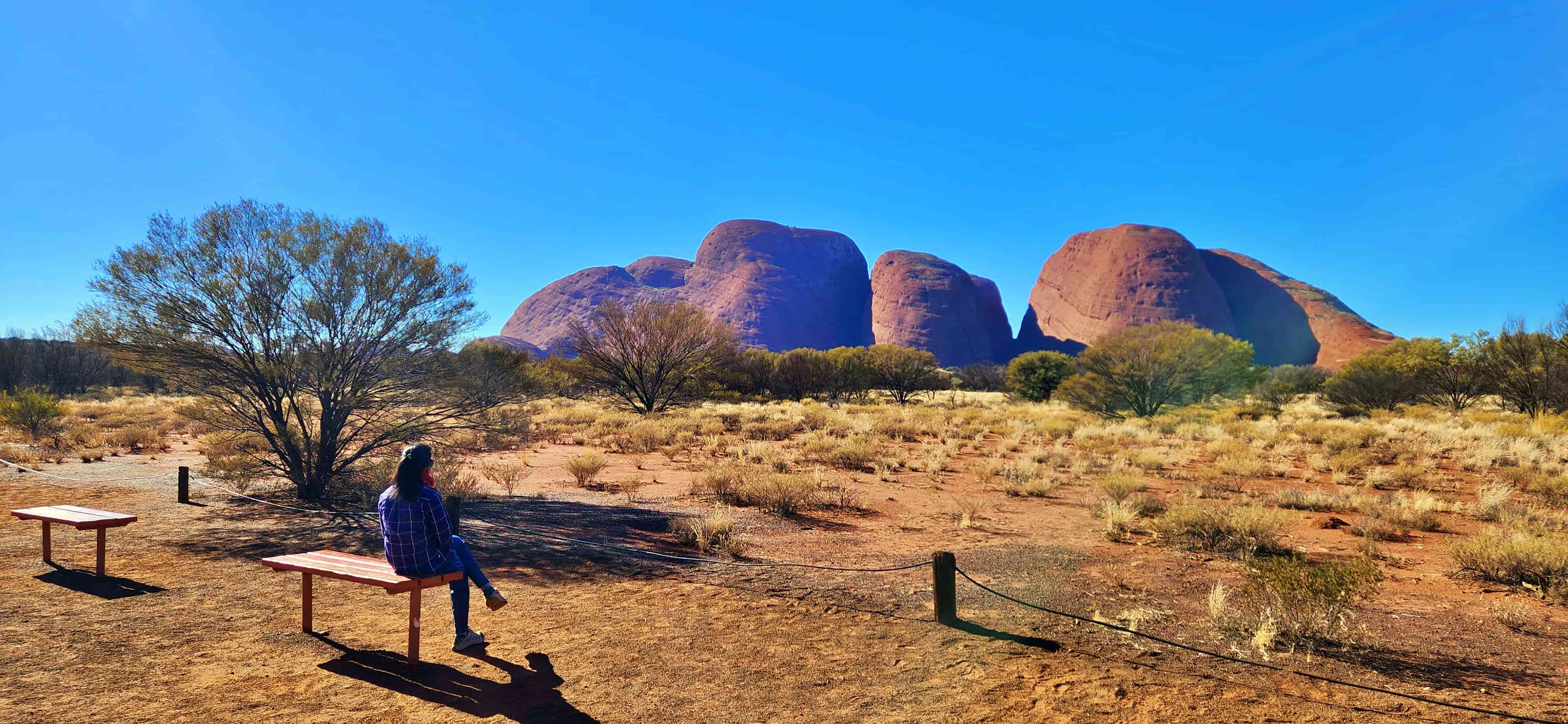
After sunset, return to Yulara for dinner and a relaxing evening. Note: The park typically closes around 7:30 PM, and visitors are required to leave the area approximately 45 minutes before closing.
Day 3: Uluru Experiences
Day three focuses on the landscapes surrounding Uluru itself, beginning with a truly unique outback experience.
Sunrise Camel Tour
Start the day early with a sunrise camel experience operated by Uluru Camel Tours.
Riding across the desert dunes as the sun rises behind Uluru is a peaceful and memorable way to begin the day. As the first light of morning spreads across the Red Centre, the desert slowly awakens, revealing the rich colours of the landscape and the striking silhouette of Uluru on the horizon. The gentle pace of the camels allows you to take in the vast surroundings while enjoying a unique perspective of the outback — an experience that reflects the historic role camels once played in exploring Australia’s interior.
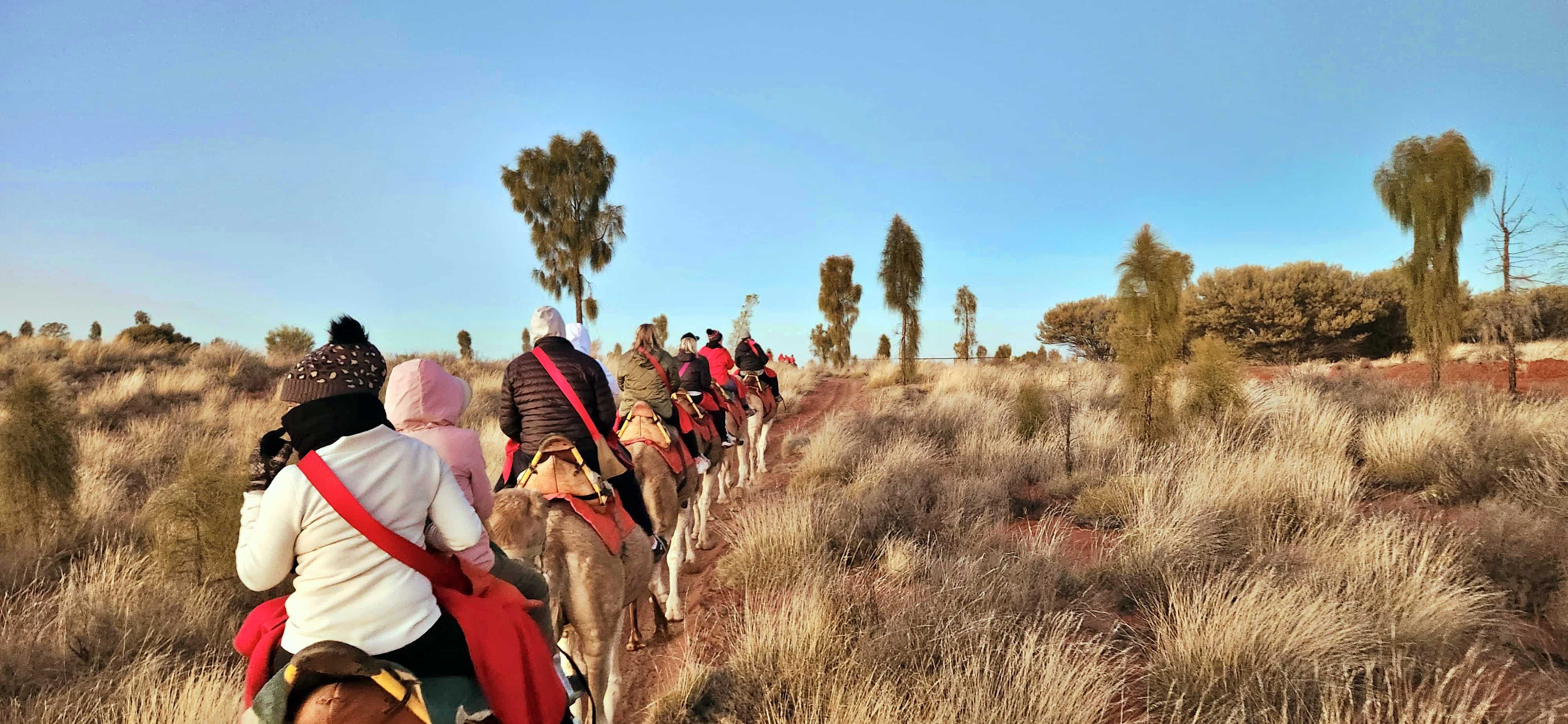
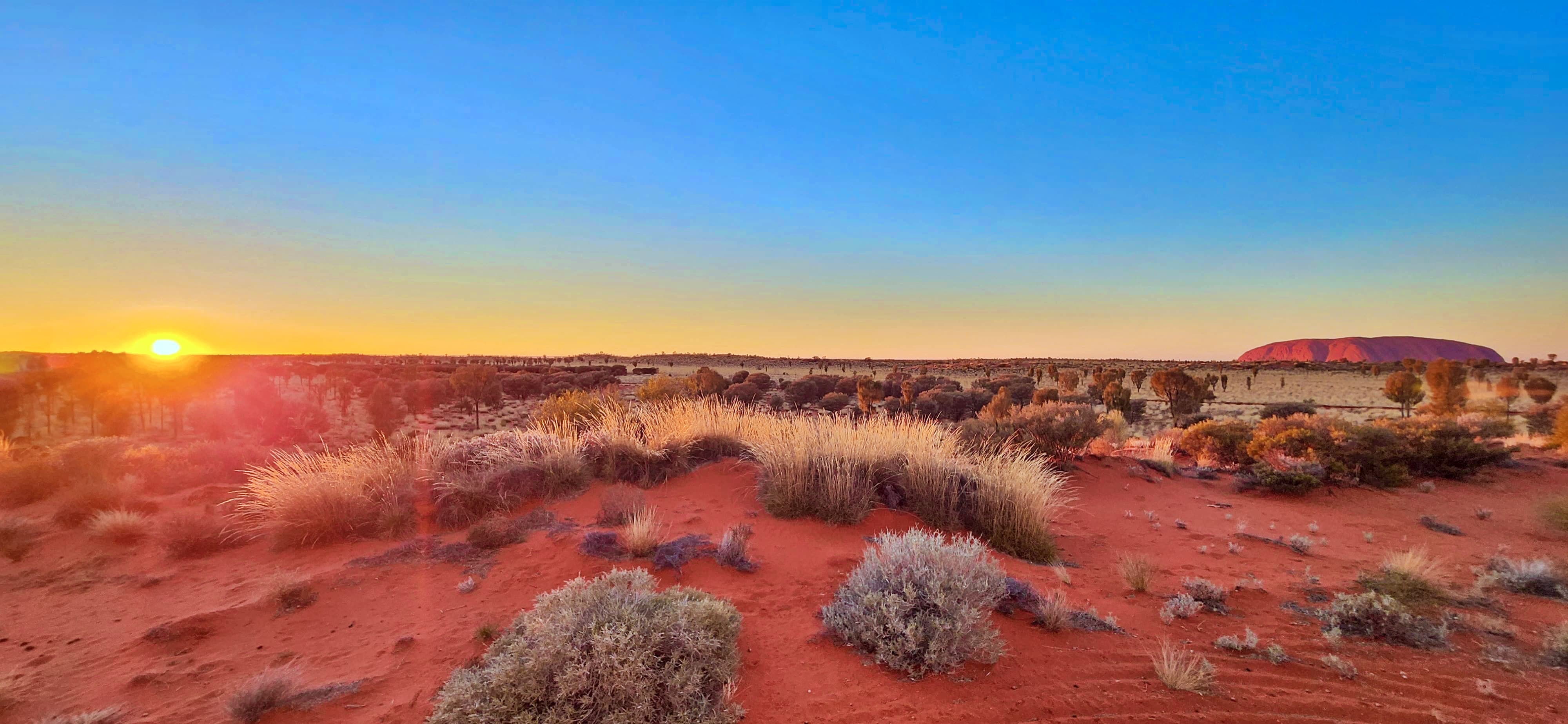
Note: Even during the warmer months, early mornings in the desert can be surprisingly cold. When we visited in July, the temperature before sunrise felt quite chilly, so we strongly recommend bringing a warm jacket or extra layers to stay comfortable during the ride.
After the tour, return to the camel farm where complimentary refreshments are served, giving you time to relax and warm up after the early start. Take a few moments to explore the small camel museum, which shares the fascinating story of camels in Australia’s outback history, and browse the gift shop before continuing with the rest of your day’s adventures.
Next, drive to Mala Carpark, the starting point for the Uluru Base Walk.
Uluru Base Walk
This 10.6 km loop walk circles the entire base of Uluru and is widely considered one of the most fascinating walks in Australia. Along the way, you’ll pass ancient rock art sites, desert waterholes, towering cliff faces, and unique geological formations that reveal the incredible age and cultural significance of the rock. Allow around 3.5 - 5 hours to complete the walk and carry a packed lunch to enjoy along the way.
| Uluru Base Walk – Key Facts | |
|---|---|
| Trailhead | Mala Carpark (north-west side) or Kuniya Carpark (south-east side) |
| Trail Type | Loop |
| Distance | 10.6km |
| Duration | 3.5–5 hours (allow longer for stops) |
| Accumulated Elevation Gain | 156m |
| Difficulty | Grade 3 – moderate (due to length and exposure) |
| Best Time to Hike | April to September |
| Heat policy | Sections may close in extreme heat |
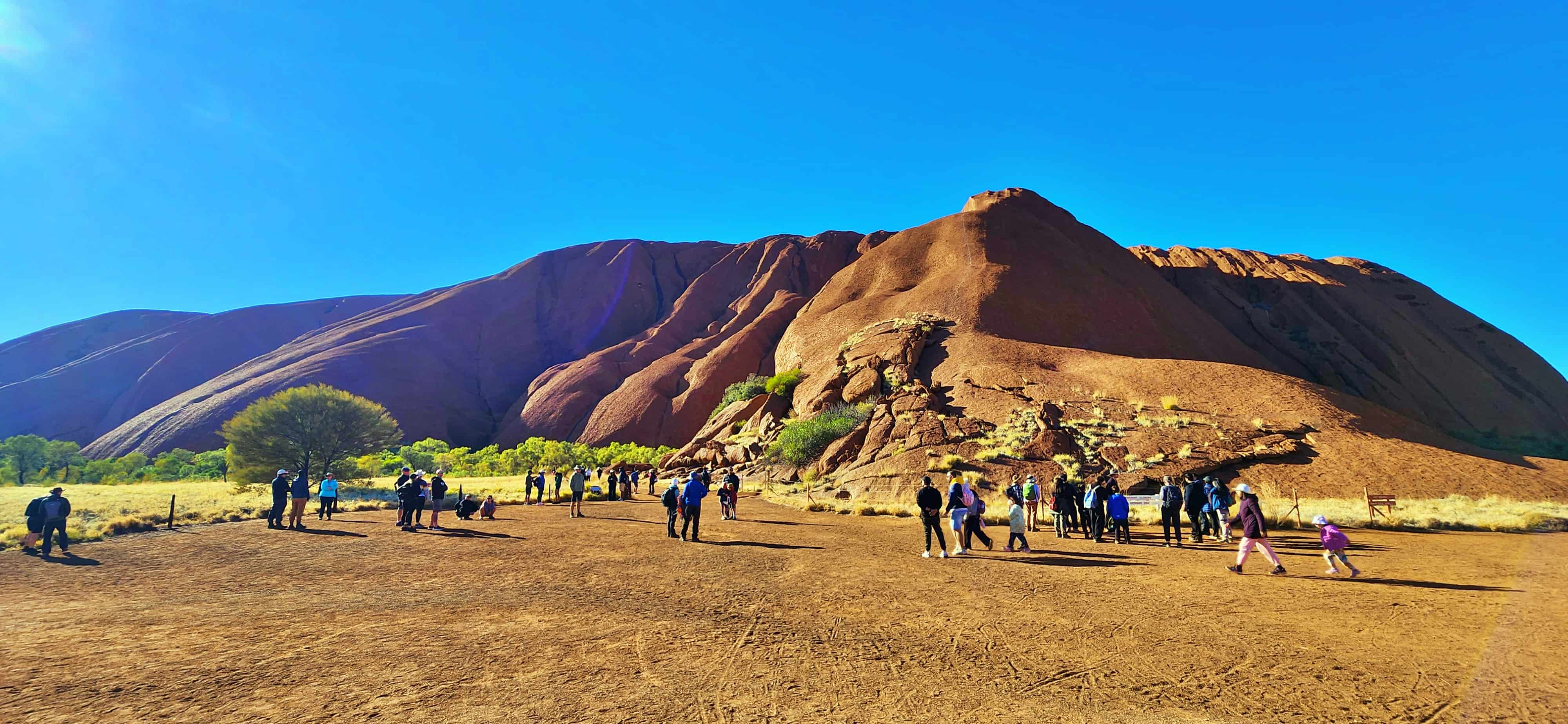
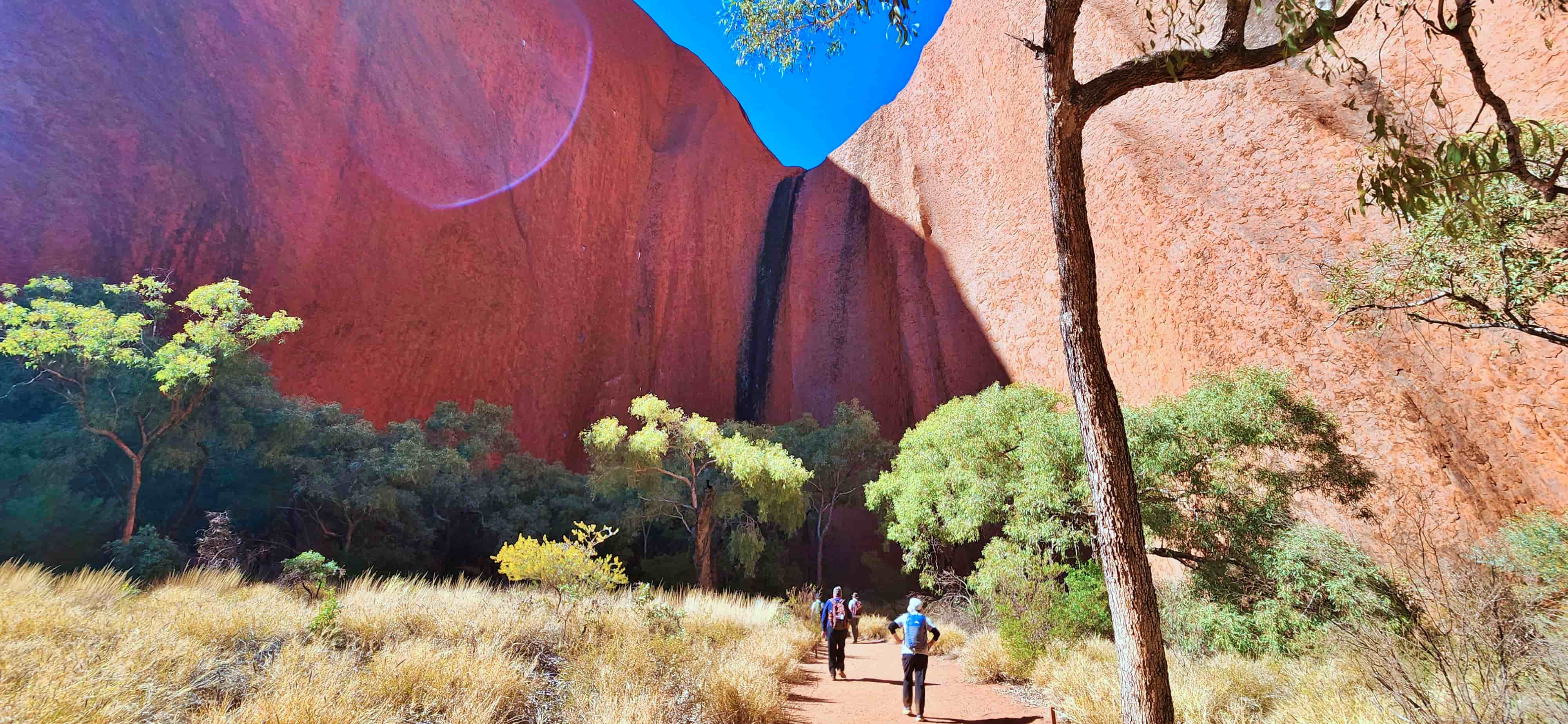
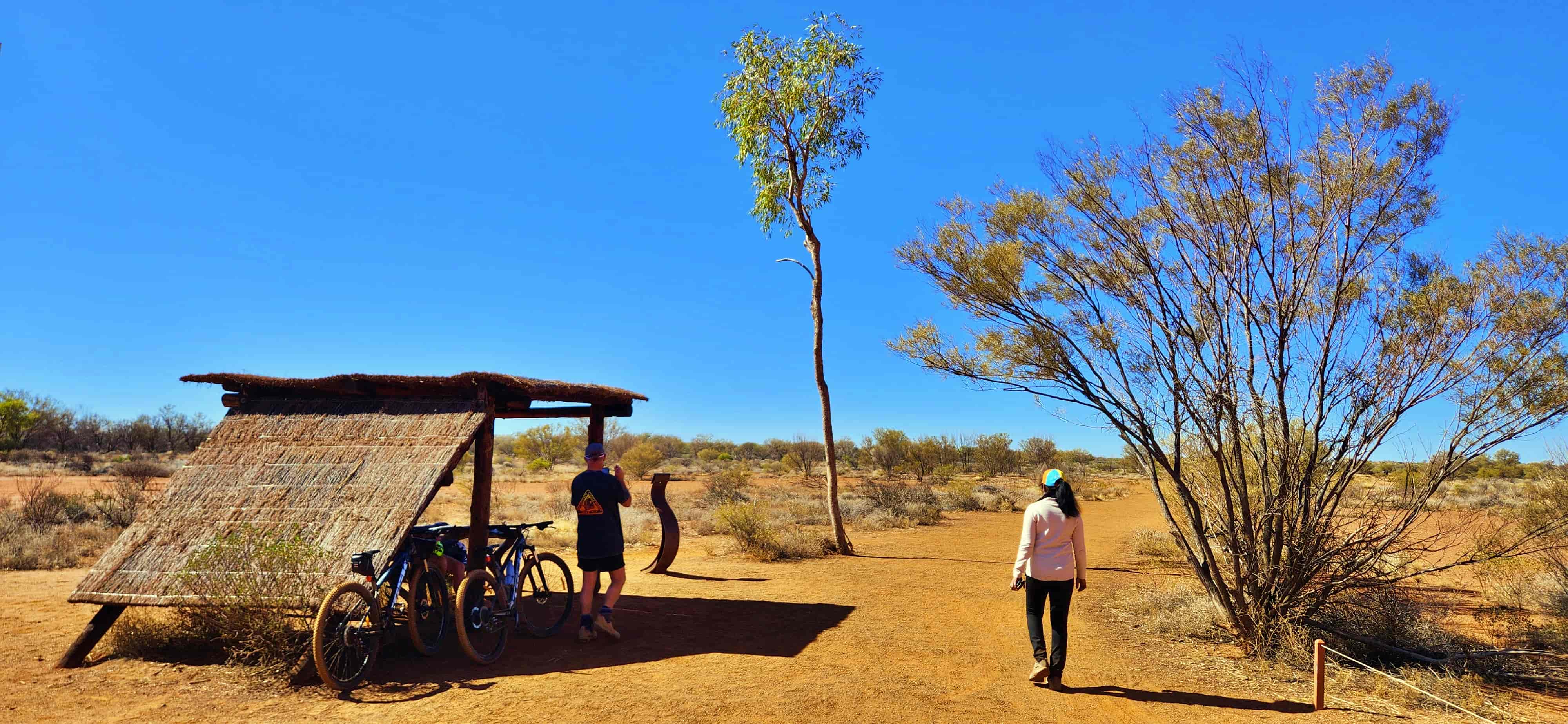
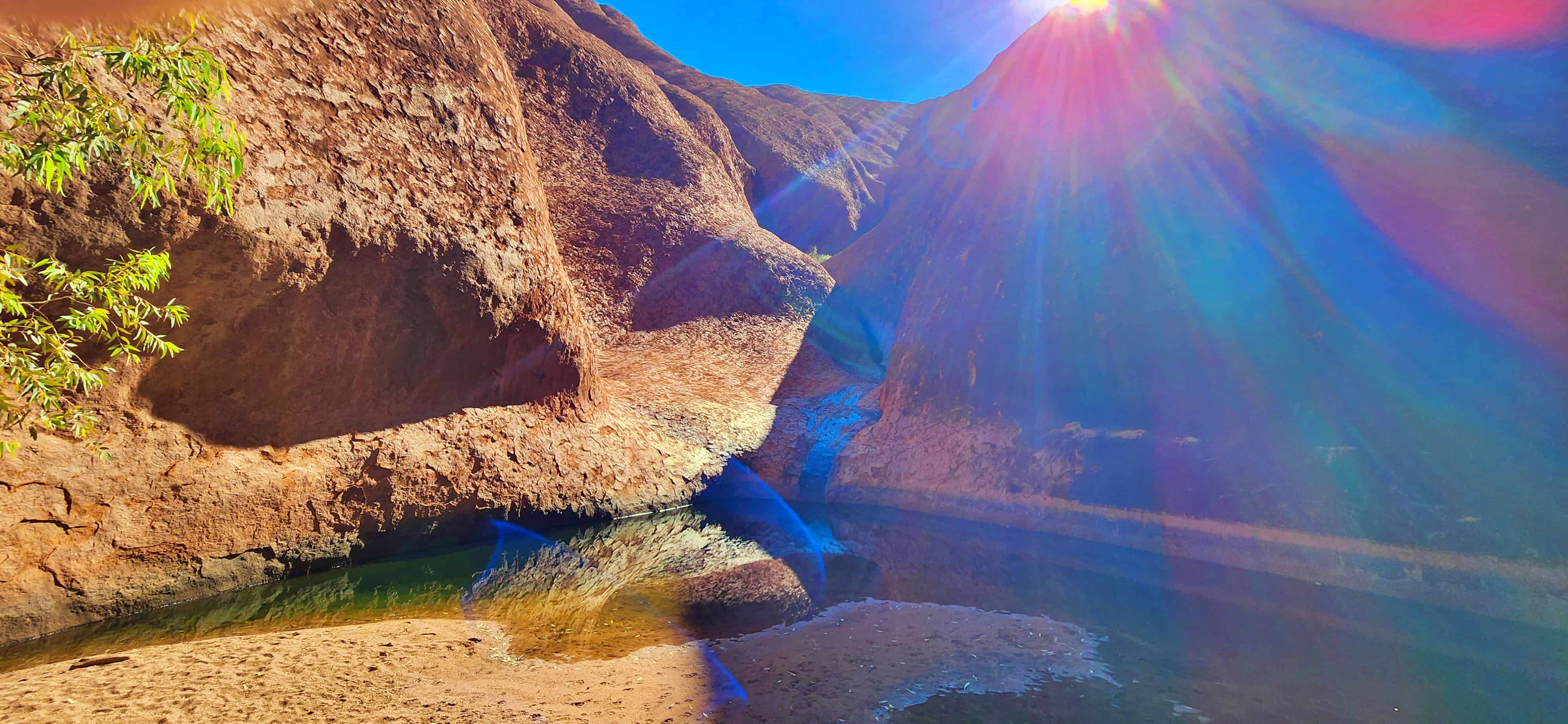


👉 For a detailed guide including sections of the walk, cultural highlights, maps and practical tips, read our full guide:
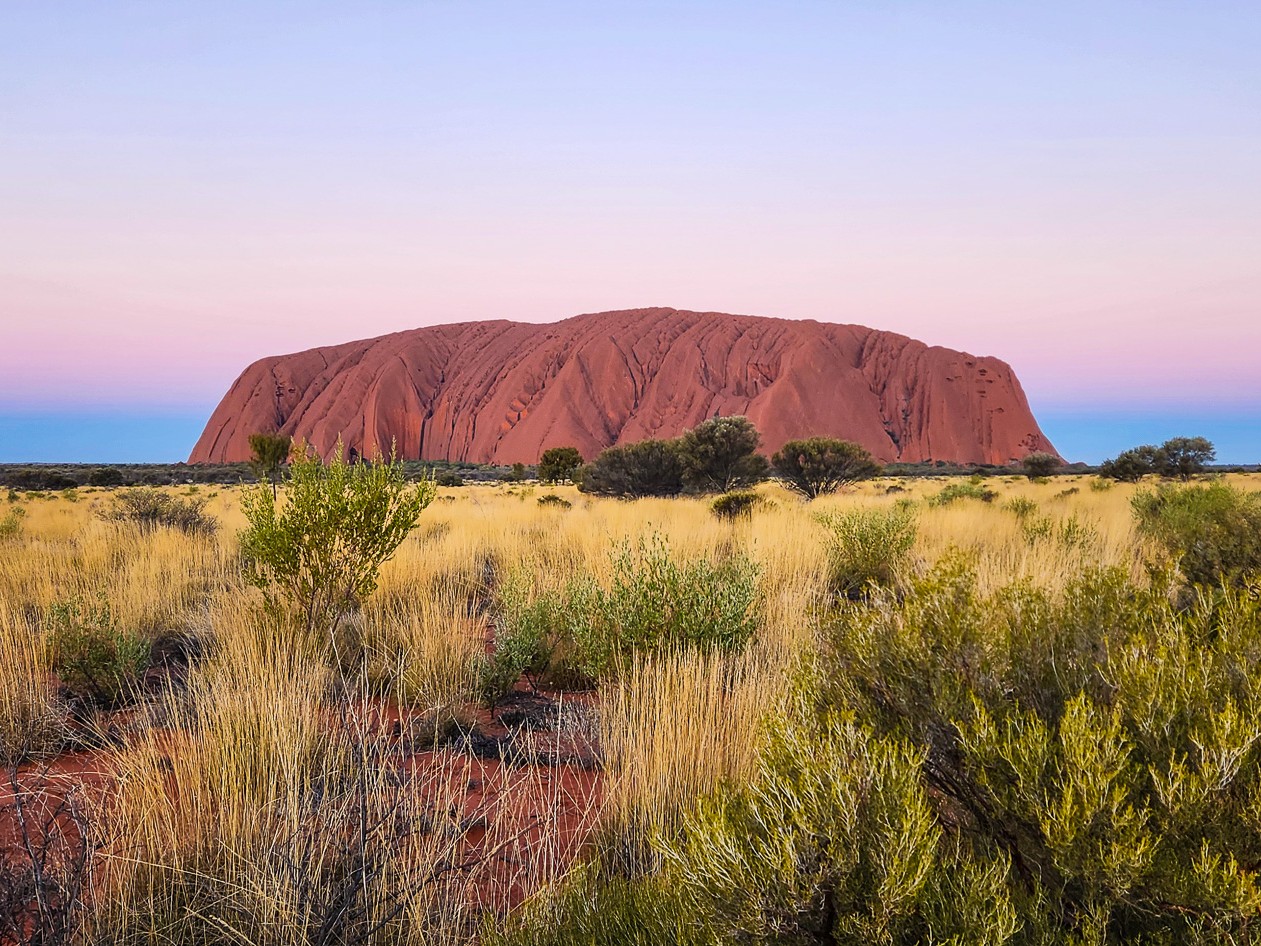
After completing the Uluru Base Walk, return to your accommodation and enjoy some well-deserved rest before the evening activities begin.
Field of Light
In the evening, experience the stunning Field of Light, the internationally acclaimed art installation by Bruce Munro. More than 50,000 glowing glass spheres illuminate the desert landscape beneath the night sky, creating an unforgettable visual experience set against the silhouette of Uluru!
After the display, return to your accommodation for your final night in the Red Centre.
Day 4: Cultural Centre and Departure
On your final day, check out of your accommodation and make your way to the Uluru-Kata Tjuta Cultural Centre.
Park Pass Tip: If you purchase a 3-day Uluru-Kata Tjuta National Park Pass, it will typically cover the first three days of this itinerary. If you’re following this itinerary to briefly visit the park again on Day 4 (for example, to stop by the Cultural Centre before heading to the airport), you generally do not need to purchase a new pass. Simply inform the staff at the park entry station that it is your final day in the area, and they will extend your pass for up to two additional days if required.
Uluru-Kata Tjuta Cultural Centre provides important insight into the traditions, history, and spiritual significance of Uluru and Kata Tjuta for the Anangu people. Through exhibits, artwork, and interpretive displays, visitors gain a deeper understanding of the connection between the land and its Traditional Owners. We recommend allowing at least two hours to fully explore and appreciate the Cultural Centre.
Note: Photography is not permitted inside the Uluru-Kata Tjuta Cultural Centre.
Spend the remaining day exploring the Cultural Centre before making your way to the airport for your flight home. We recommend arriving at least two hours before your scheduled departure to allow ample time for check-in and security.
A journey to Uluru and Kata Tjuta is far more than just a visit to a famous landmark — it’s an immersion into one of the most ancient landscapes on Earth. Over four days, this itinerary allows you to experience the Red Centre’s most unforgettable highlights: hiking through the domes of Kata Tjuta, walking the full base of Uluru, watching dramatic desert sunsets, riding camels at sunrise, and witnessing the magical glow of the Field of Light beneath a vast outback sky. Whether you come for the walks, the landscapes, or the cultural significance of the land, the Red Centre leaves a lasting impression that stays with you long after you leave. For travellers seeking a deeper connection with Australia’s outback, few destinations deliver an experience as powerful and unforgettable as Uluru and Kata Tjuta.
Love our itinerary? Excited to visit Uluru and Kata Tjuta? Book your accommodation via Booking.com below at cheaper prices!
This post may contain affiliate links. This means that, at no additional cost to you, we may earn a small commission if you make a purchase through the links provided. These commissions help support our website and allow us to continue sharing our travel experiences. Thank you for your support.
This itinerary is based on our personal experiences and recommendations. All information is provided for general guidance only and may change due to circumstances beyond our control. Travellers are encouraged to independently verify details and make choices according to their own preferences and safety considerations. We do not accept responsibility for any loss, injury, or inconvenience sustained by anyone using our itineraries.